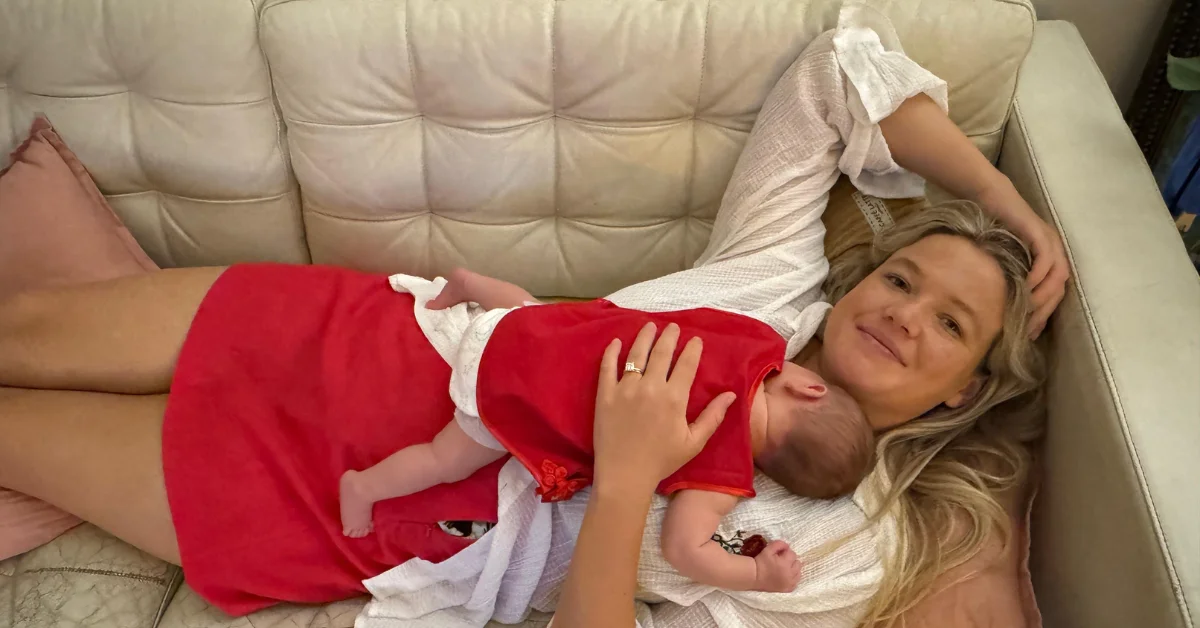
Leah Stewart’s Ongoing Recovery After Coogee Shark Attack

Leah Stewart’s story is one of survival and resilience after the Coogee shark attack near Clovelly, with the Sydney mother now awake, alert and beginning the long road to recovery in hospital.


Leah Stewart is awake, alert and no longer in a critical condition after suffering severe injuries in the Coogee shark attack.

The Sydney mother and teacher was attacked on June 13 while swimming close to shore and within the flags at Coogee Beach. She sustained multiple bites to her arms and legs, lacerations, fractures and extreme blood loss.

Ms Stewart was placed on life support after the attack and underwent multiple operations in the days that followed. Her treatment has included the amputation of her arm, with further surgery still planned as part of her recovery.

Her family said she has been brought out of heavy sedation and has been able to speak with relatives and medical staff. The update followed an earlier period in which she was briefly woken from an induced coma.
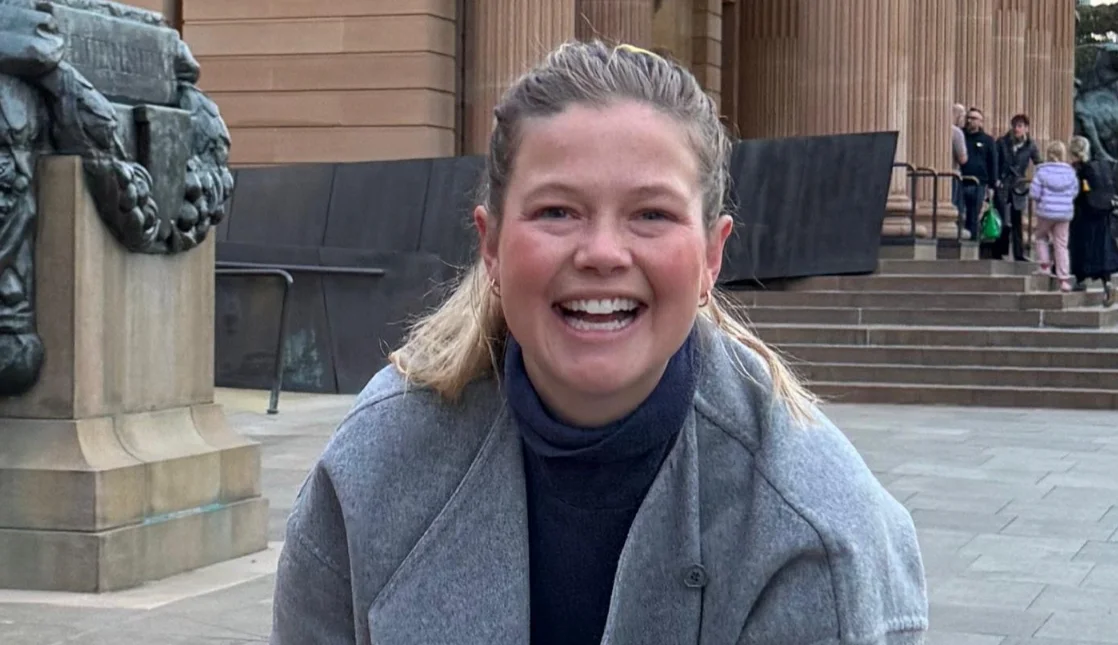
 shark attack survivor
Photo Credit: GoFundMe

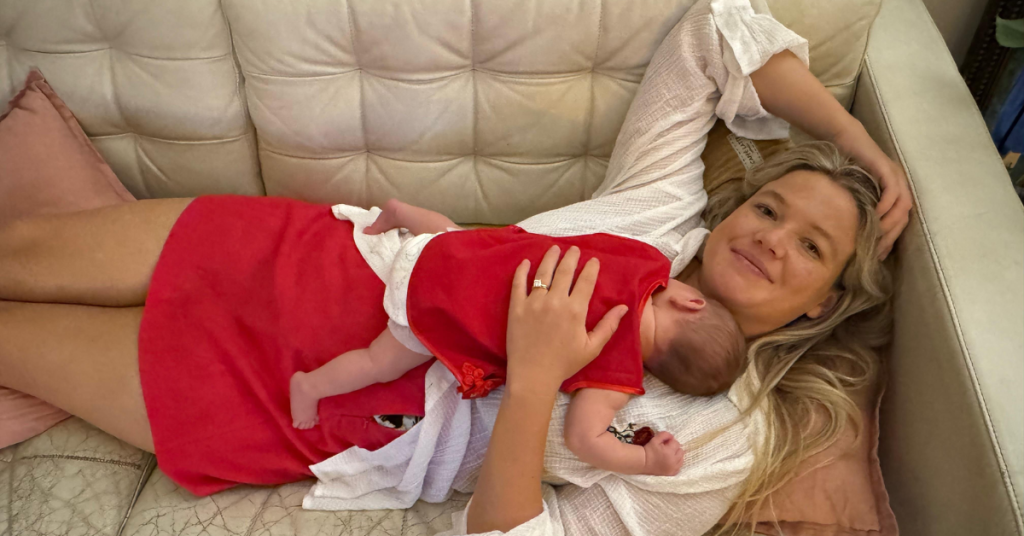
Daughter Visits During Hospital Recovery

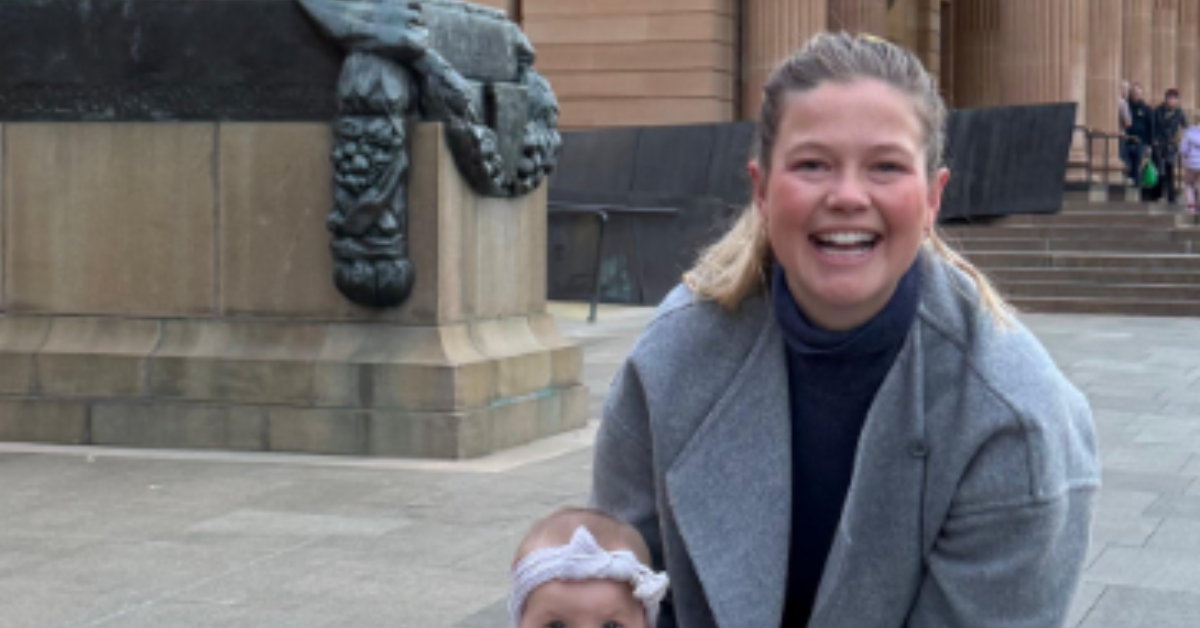
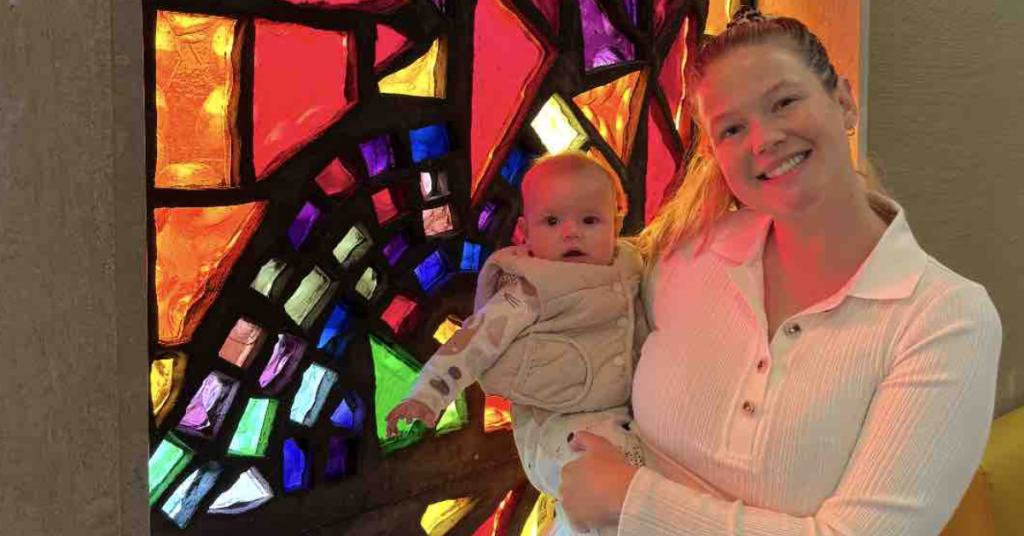
Ms Stewart has now seen her young daughter, August, for the first time since the attack.

Her family said the separation had been the first time the mother and daughter had been apart overnight. The reunion took place while Ms Stewart remained in hospital and continued preparing for further treatment.

She has also viewed some of the messages sent to her family and has expressed appreciation for the support received. She is not yet able to respond to messages, as her remaining arm has severe tendon and nerve damage that will require further repair and intensive rehabilitation.

Further Surgery And Rehabilitation Ahead

Ms Stewart’s condition has improved, but her recovery is still in its early stages.

Her family said she is expected to be in and out of surgery over the coming weeks. Her care is focused on pain management, further tests, regaining movement and preparing for the rehabilitation process.

Her brother Josh Stewart has organised a fundraiser to assist with the recovery. The money will go directly to Ms Stewart, her partner and her daughter, and is intended to support rehabilitation, prosthetics, ongoing care and other adjustments after the attack.

The fundraiser has raised more than $500,000 and has received support from thousands of donors.
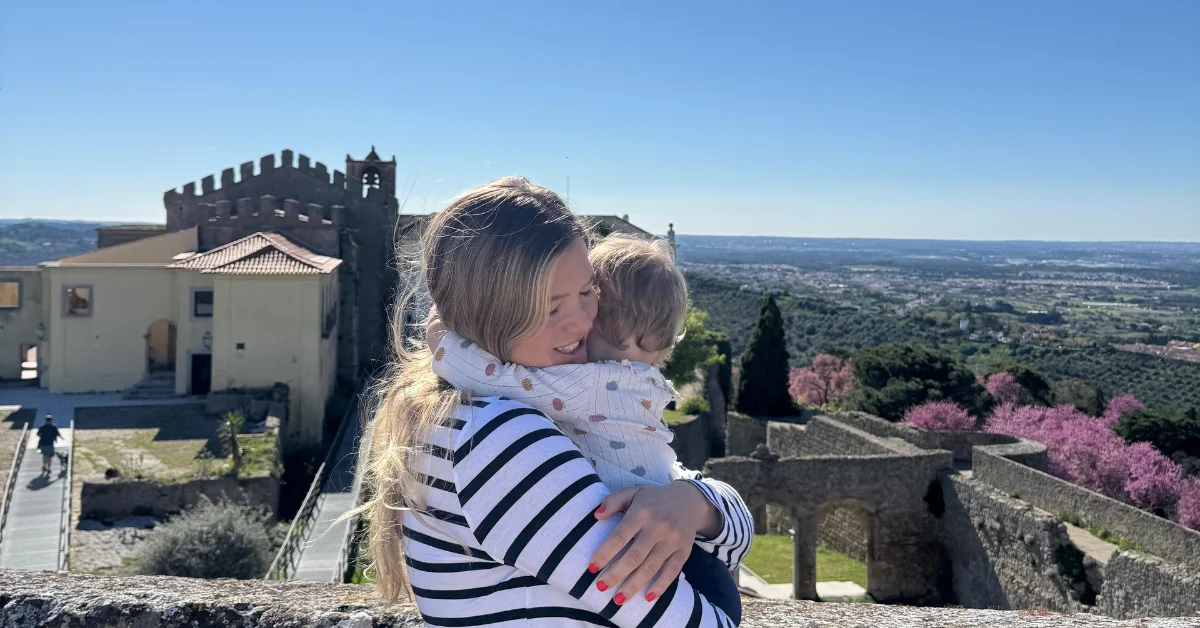
Leah Stewart update
Photo Credit: GoFundMe

Support For Leah Stewart Continues

Ms Stewart’s family has thanked the lifesavers, first responders, helicopter crew and medical staff who assisted after the Coogee Beach attack and during her treatment.

Hundreds of swimmers later gathered at Coogee Beach in support of Ms Stewart.


Her family said she remembers the attack in detail and may share more of her story when she is ready. Her immediate focus remains on rest, treatment and healing.

Published 25-June-2026
Schnapper Rocks Rescue Holds Place In Clovelly Lifesaving History

The Rescue off Schnapper Rocks remains one of the defining episodes in Clovelly lifesaving history, linking a fatal day on the rocks with the suburb’s long connection to swimming, rescue work and beach safety.


A Rescue Remembered At Schnapper Rocks

In December 1927, five lads were on the rocks at the northern headland of Clovelly Bay when heavy seas turned an afternoon by the water into one of the most recorded rescue efforts in the early history of the local surf club.

The boys, aged between 14 and 19, had been exploring the rocks while large seas broke against the headland. A powerful wave swept three of them — Thomas Woolridge, Evan Hughes and K. Stavert — into the surf.

They were carried away from the rocks by strong current and rough water. The Clovelly Surf Life Saving Club patrol raised the alarm, and members made their way from the clubhouse across the beach and rough rocks to reach the scene.

R. Slater entered the water wearing the belt, while D. Pike also went into the surf. Pike reached Hughes and helped him towards Clovelly Bay before he was picked up by a fishing boat from Thompson’s Bay.

Slater reached Woolridge and tried to keep him above water in heavy seas. When a large wave smashed the reel, Slater freed himself from the belt and continued trying to support Woolridge. The effort went on for more than 15 minutes, but Woolridge disappeared beneath the water and was not seen again.

W. Miller and C. Brooks reached Stavert and helped him around into the bay, a swim of about 300 yards through dangerous water. Several club members and others who assisted suffered cuts and abrasions during the rescue.

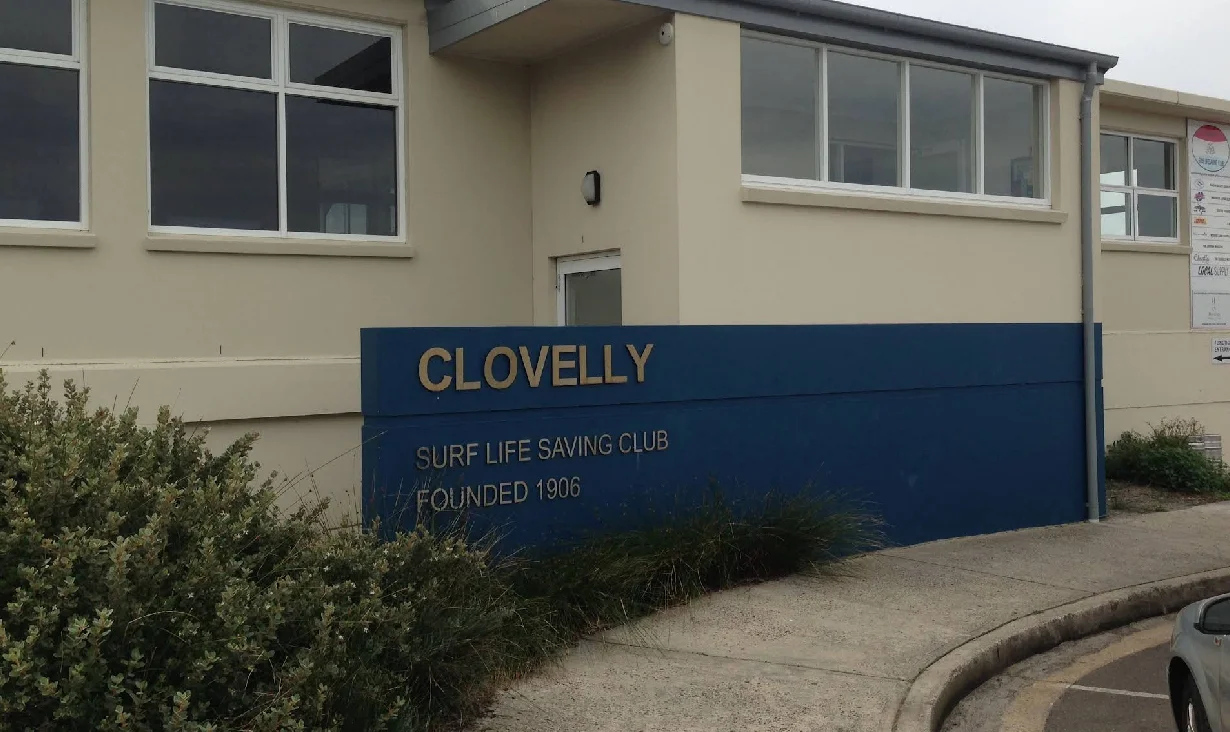
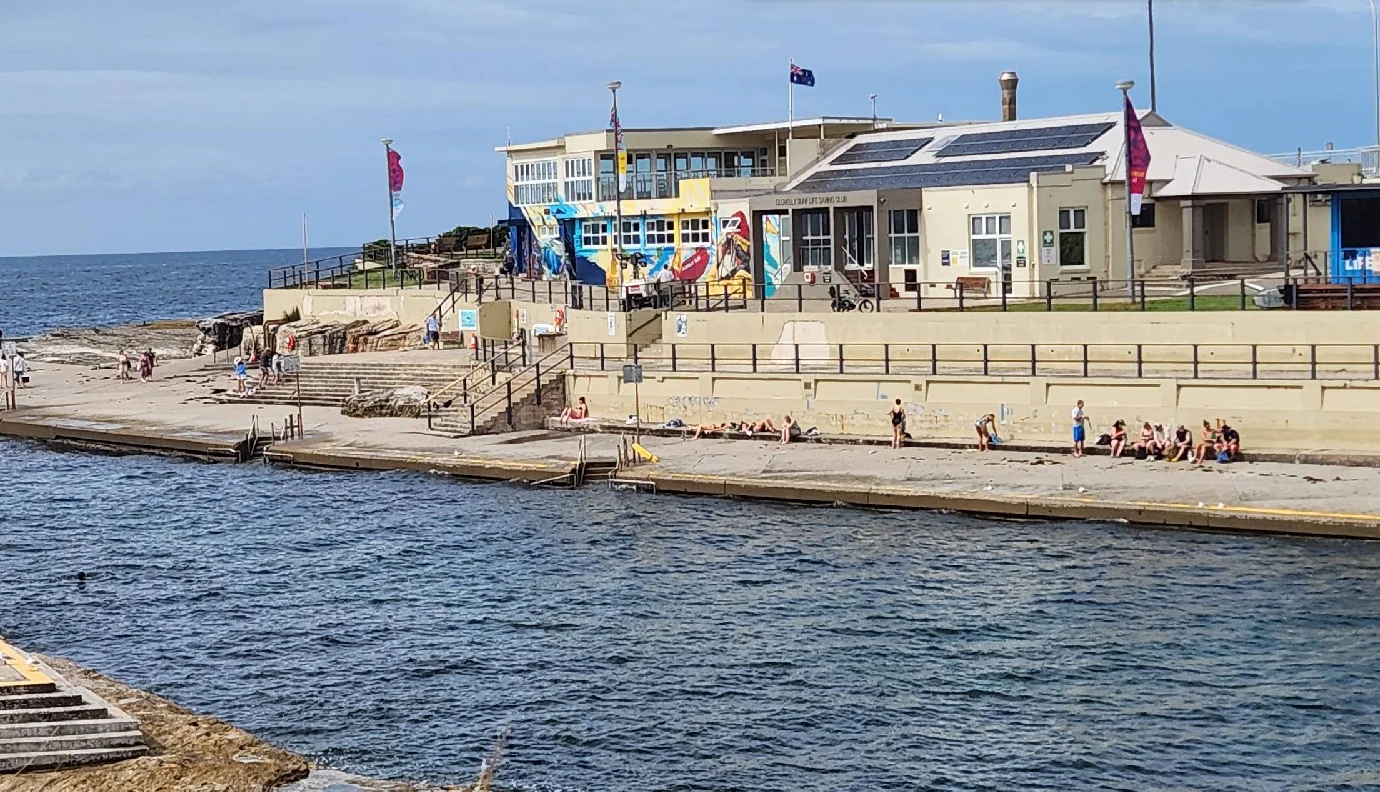
Clovelly Surf Life Saving Club building
Photo Credit: Google Maps

Thomas Woolridge And The Clovelly Rescue Effort

Thomas Woolridge was 19 and had arrived in Australia from England only weeks before he drowned.

The rescue became known as the Rescue off Schnapper Rocks and has remained closely connected with Clovelly Surf Life Saving Club’s early history. It involved volunteers crossing difficult terrain, entering rough water and working against strong seas to bring the boys back.

Slater’s attempt to save Woolridge became one of the central acts of the rescue. Others involved in the operation were also recognised for their efforts in reaching the youths and bringing Hughes and Stavert to safety.

The episode sits within a longer Clovelly story shaped by surf lifesaving, competitive swimming and the suburb’s close relationship with its bay.

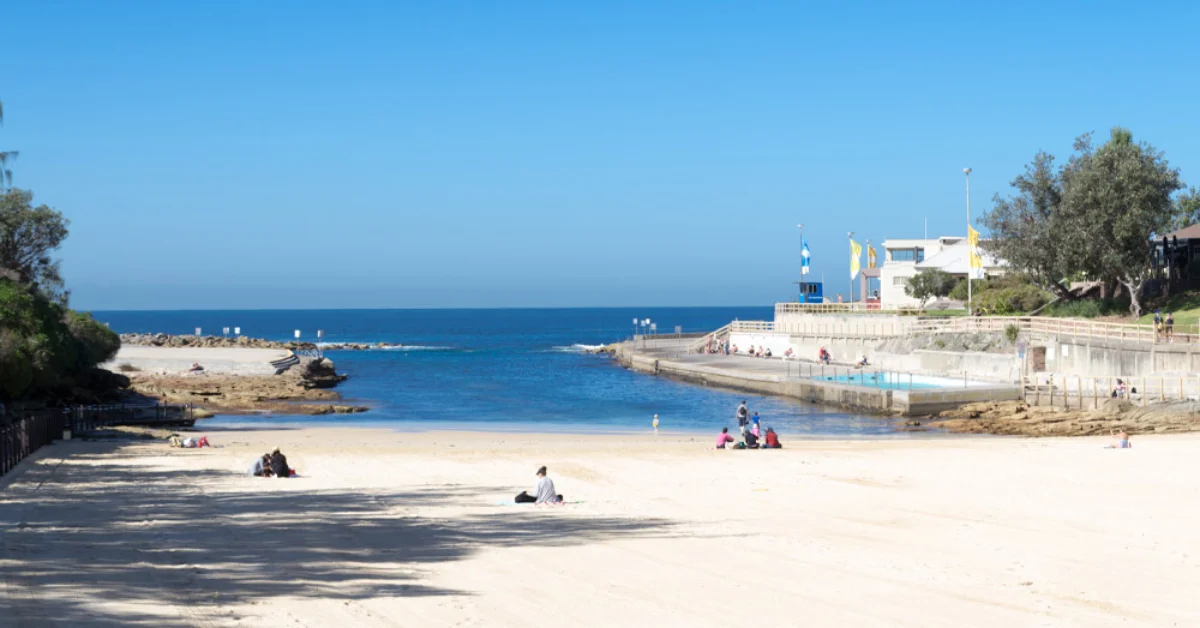
Clovelly Beach beside rocky headland
Photo Credit: Google Maps

From Little Coogee To Clovelly Surf Life Saving Club

Clovelly Surf Life Saving Club was founded in 1906 as the Little Coogee Swimming and Life Saving Club. The name came from the area’s earlier identity, when Clovelly Bay was known as Little Coogee because of its proximity to Coogee and its sheltered waters.

The club developed a long record in lifesaving and competition. In 1908, two years after it began, it won the first official surfboat race held at Manly Beach in its whaleboat.

Its first clubhouse was a small wooden shed. The current clubhouse was built in 1922 as a tribute to members who lost their lives in the Great War between 1914 and 1918.

Today, the club’s role includes safety for swimmers and beachgoers at Clovelly, Gordon’s Bay and the coastal area towards Bronte. Its activities include lifesaving, Nippers, Eskimos winter swimming, Giles Gym classes and junior swimming.

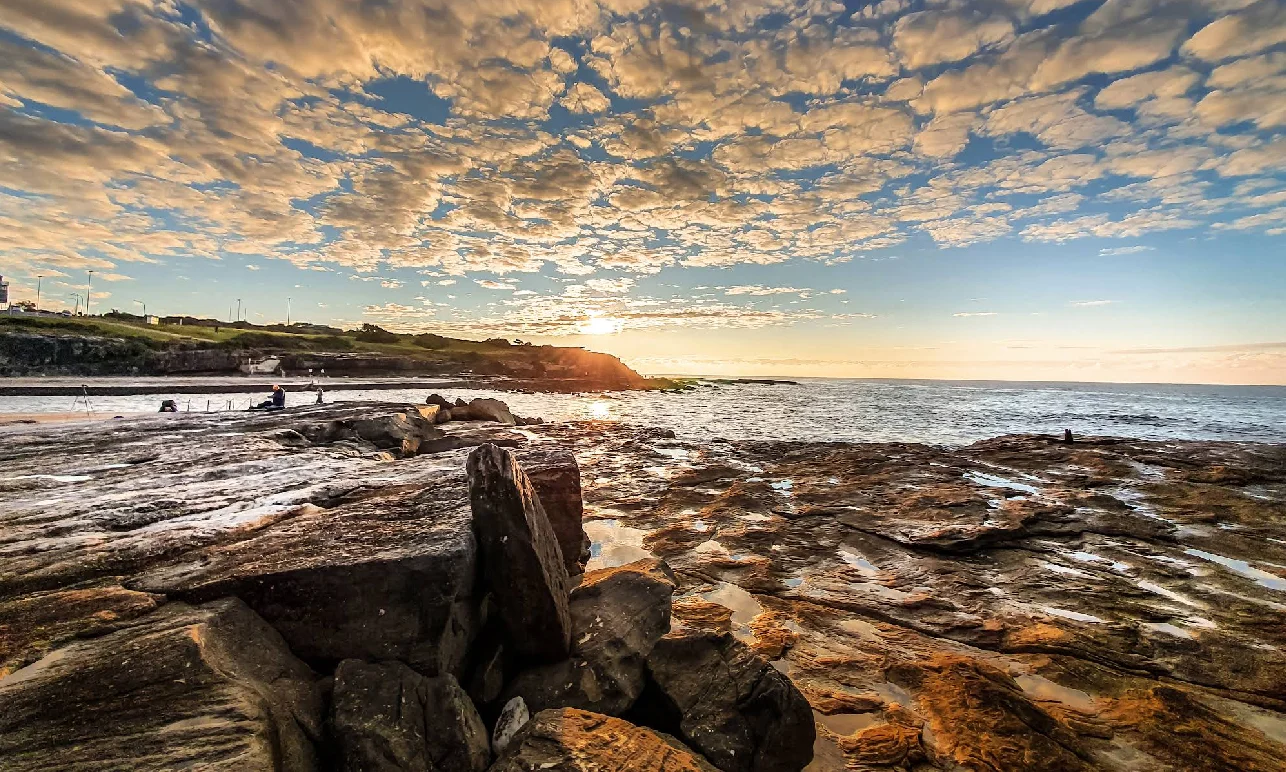
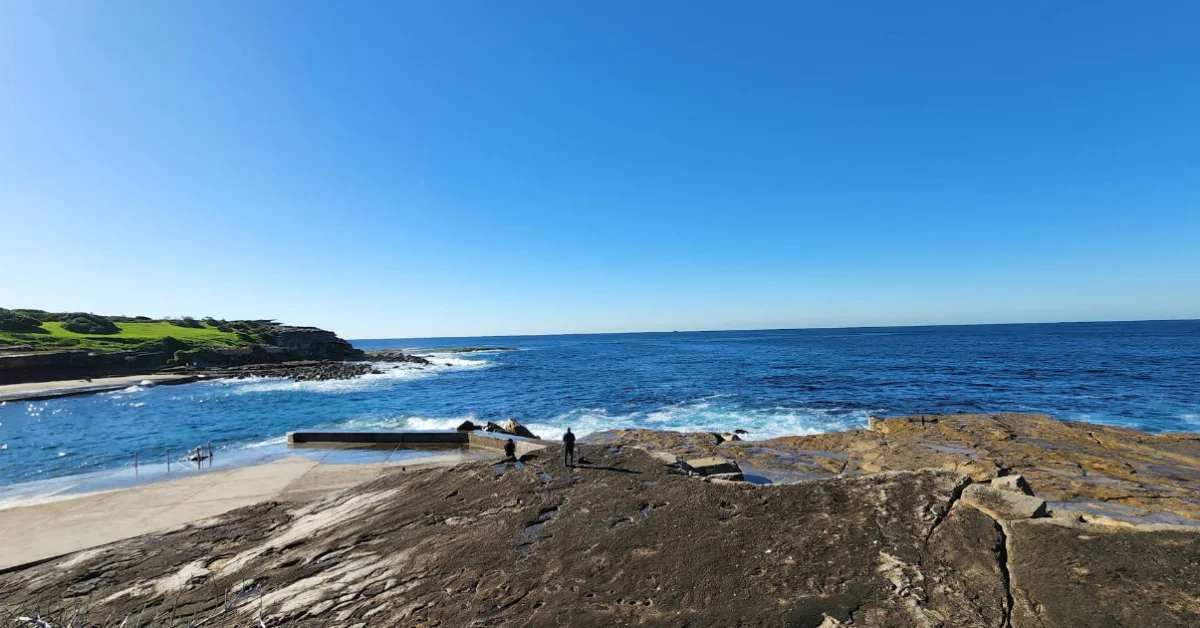
Waves near Schnapper Rocks at Clovelly
Photo Credit: Google Maps

Clovelly Beach And Its Swimming Culture

Clovelly sits in a steep Sydney sandstone cove and was once known as Little Coogee before the suburb took its current name. Its sheltered bay, narrow beach and rock platforms have helped make swimming and lifesaving part of local life.

During the Great Depression, foreshore works along Clovelly Cove provided jobs for local men and improved access to the water. The natural rock platforms were concreted, and a causeway project was started at the mouth of the bay.

A severe storm in 1938 destroyed the causeway, and the project was abandoned. Its remains can still be seen at low tide.


Those changes helped shape the bay that locals and swimmers know today. The Rescue off Schnapper Rocks remains part of that history, carried alongside the surf club’s continuing work and Clovelly’s long association with the water.

Published 23-June-2026

From Clovelly Bay To Bigger Stages, Local Ties Carry On

Clovelly’s narrow bay and beachside setting have formed part of the story for Australians whose careers moved through Olympic swimming, football codes, television, journalism, sports administration and religious life.


The small Sydney suburb sits eight kilometres south-east of the central business district, with Clovelly Beach tucked at the end of its narrow inlet. Its identity has long been tied to the water, from regular swimmers in the bay to the local surf lifesaving club founded in 1906.

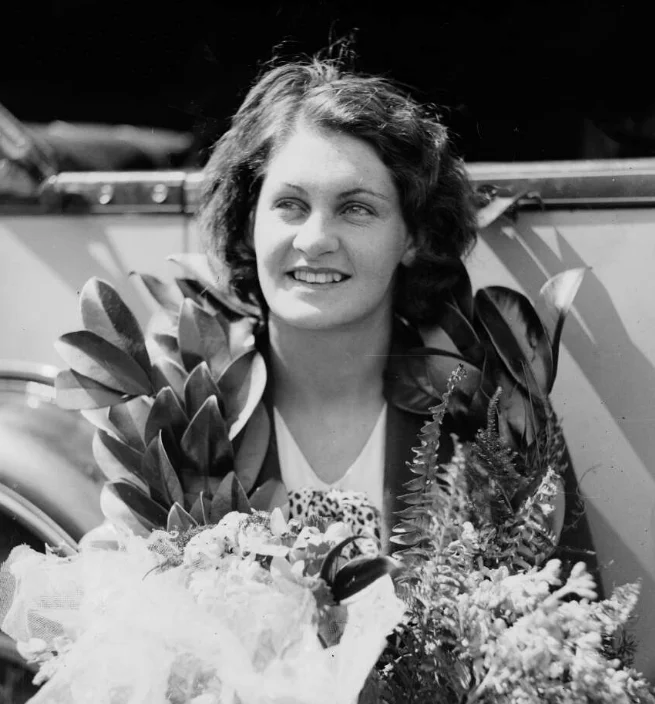
That coastal setting sits close to the early story of Clare Dennis. Born in Burwood before her family relocated to Clovelly Beach, Dennis became one of Australia’s leading breaststroke swimmers of the 1930s. She won gold in the 200-metre breaststroke at the 1932 Summer Olympics in Los Angeles, then added gold in the 220-yard breaststroke at the 1934 British Empire Games in London.

Clare Dennis Olympic swimmer linked to Clovelly
Photo Credit: Wikipedia

Her rise from a family connection to Clovelly Beach to international competition gives the suburb one of its strongest sporting links.

Football Codes Add To Clovelly’s Sporting Thread

The sporting connection runs through several football codes.

Don Furness was born in Clovelly and went on to represent Australia in rugby union. A hooker, he claimed one international cap for the Wallabies in 1946.

Sel Lisle, a long-term Clovelly resident, played rugby league for Eastern Suburbs across the 1940s. He was part of the club’s premiership-winning sides in 1940 and 1945, and also made representative appearances for New South Wales and City.

Luke Ricketson later carried the Eastern Suburbs and Sydney Roosters line through a long first-grade career. He played his entire club career with the Roosters, made 301 appearances and was part of the side that won the 2002 NRL grand final.

Willie Mason’s career moved across several clubs and representative teams. He played for Australia, Tonga and New South Wales, and won the Clive Churchill Medal in Canterbury-Bankstown’s 2004 grand final victory.

Dane Rampe Sydney Swans player from Clovelly
Photo Credit: Sydney Swans

Australian rules football also runs through the suburb’s wider sporting story through Dane Rampe, who grew up in Clovelly before playing for the Sydney Swans. Rampe served as a Swans co-captain from 2019 until the end of the 2023 season, earned All-Australian selection in 2016 and won the Bob Skilton Medal in 2019.

Careers Beyond Sport

Clovelly’s public connections are not confined to the field or pool.

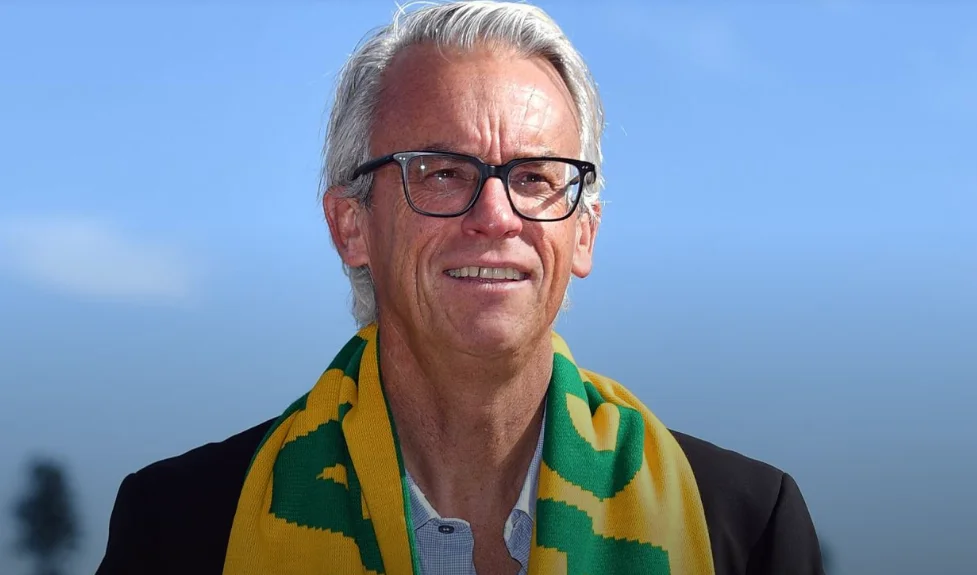
David Gallop’s career moved from law into national sports administration. He served as chief executive of the National Rugby League from 2002 to 2012 before later serving as chief executive of Football Federation Australia until December 2019.

Photo Credit: CommBank Socceroos

Justine Schofield connects the suburb with food and television. The cook, author and television presenter first appeared on MasterChef Australia in 2009, before hosting Everyday Gourmet with Justine Schofield from 2011. She lives in Clovelly.

Peter Ruehl brought a journalism connection to the suburb. The American-born Australian columnist became known for his humorous work in The Australian Financial Review and also contributed to The Australian and the Herald Sun. At the time of his death in 2011, he lived in Clovelly with his family.

David Walker adds another strand to the suburb’s profile. Born in Clovelly, he became Bishop of Broken Bay in 1996 and served until his retirement in 2013.

A Beachside Suburb With Wide Connections

Clovelly is mainly known as a residential beachside suburb on Clovelly Bay, but the careers tied to the area reach well beyond the coastline.

Some of those connections began with birth or childhood in the suburb. Others came through residence or association. Across sport, media, administration, journalism and religious life, the suburb’s name sits quietly behind careers that reached state, national and international stages.


For a small coastal suburb shaped by its beach and bay, Clovelly carries a wider public story than its size suggests.

Published 23-June-2026

Coogee Locals reclaim the Surf to Support Young Mother after Severe Shark Attack

Hundreds of brave locals have waded back into the waters of Coogee Beach in a powerful display of solidarity for a young mother who lost her arm in a devastating shark attack.


shark attack
Photo Credit: GoFundMe

The emotional ocean swim took place yesterday, following the terrifying incident on Saturday, 13 June, that left 35-year-old Leah Stewart fighting for her life. She is currently being treated at St Vincent’s Hospital in a critical but stable condition. 

Hospital staff, speaking on behalf of her relatives, confirmed that she faces a massive road to recovery and that her medical state will likely remain unchanged for quite some time. The young mother has already survived several major surgeries, which ultimately included the amputation of one of her arms.

shark attack
Photo Credit: GoFundMe

While she faces a massive physical and emotional hurdle, the Australian public has quickly stepped up to help ease the burden. Everyday strangers, along with her mates and family members, have opened their wallets with incredible generosity. Hundreds of thousands of dollars have already been raised for the family. These funds will go directly towards her vital prosthetics, extensive rehabilitation, and the ongoing medical care she will need to rebuild her daily life.


Seeking comfort in numbers, crowds returned to the exact stretch of sand where the incident occurred to face the ocean together. People shared long hugs before walking into the surf, while parents took a moment to gently assure their nervous children that the water was safe. 

To ease anxieties, surf rescue teams heavily patrolled the event. Safety crews used a drone, jet skis, inflatable rescue boats, and board paddlers to watch over the swimmers from every angle. While some locals simply dipped their toes in the shallows to show their support, others found the courage to swim an entire lap of the bay to honour her fight for survival.

Published Date 22-June-2026

Beyond the Beach: The Best Clovelly Cafes and Eateries Worth Seeking Out

Clovelly and Maroubra are better known for relaxed dining, cheap eats, takeaways and cafes — in contrast to Coogee’s broader range of fine diners and wine bars. It’s a fair enough observation, but for locals, that laid-back dining culture is precisely the point. Clovelly’s cafes and eateries aren’t trying to compete with the flashier end of the food scene. They’re doing something arguably more valuable: feeding the neighbourhood, morning after morning, with quality and care.


Here’s a look at two spots that have quietly built loyal followings on Clovelly Road.

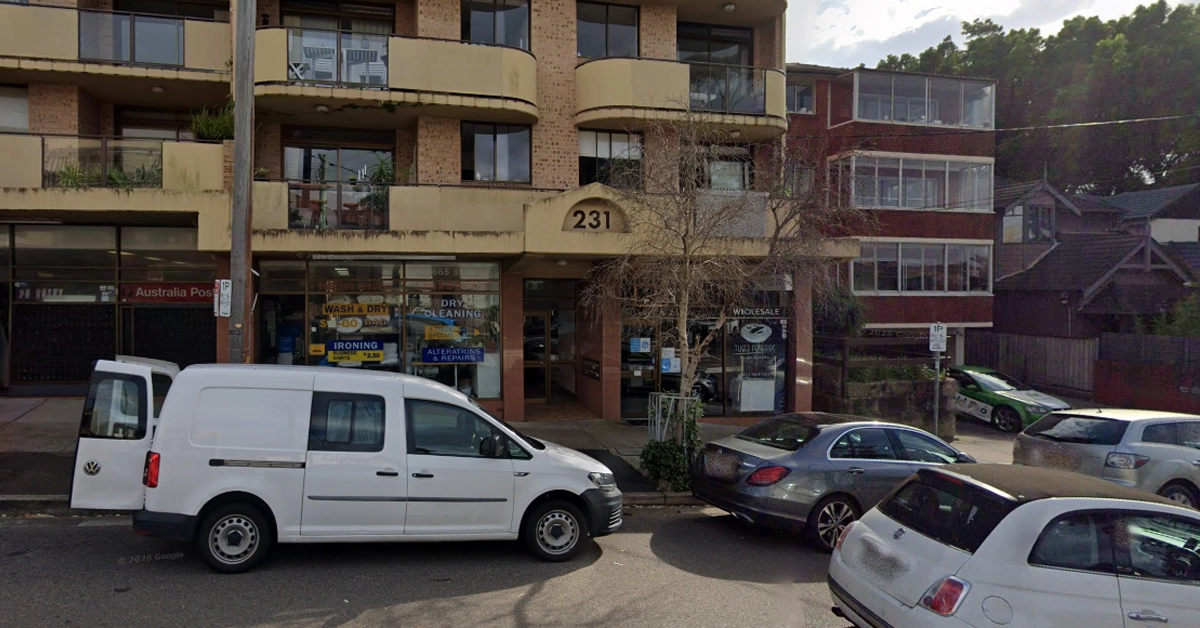
Tuga Pastries

Photo Credit: Google Maps

Tuga Pastries sits on Clovelly Road, and if you didn’t know to look for it, you might walk straight past the narrow shopfront — that is, if the smell of freshly baked pastries didn’t catch you first. The heart of the operation is the pastel de nata, the Portuguese custard tart that has developed a devoted following well beyond the suburb. Owner and head baker Diogo Ferreira is the son of Agostinho and Lucia Ferreira, who are among the first people to have brought Portuguese tarts to Australia. The family moved from Lisbon and began selling the tarts at a Petersham bakery in 1992, before opening their own venue, Fleur de Lys, in Bondi in 1994.

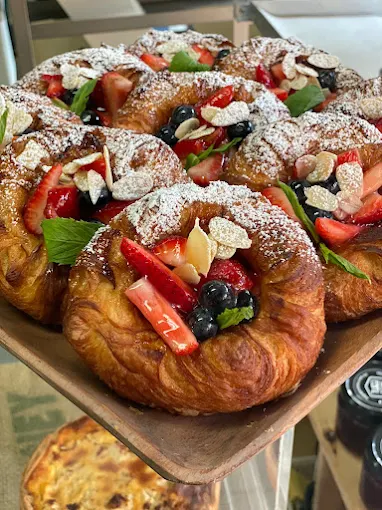
The recipe for the tarts has been passed down from Diogo’s father, and Diogo spent months perfecting the Portuguese treat. Beyond the signature tart, the menu includes almond croissants, a coconut brioche known as Pão de Deus, a hazelnut and almond tart, and Portuguese-style doughnuts filled with jam, custard or Nutella.

The Clovelly location is open Monday to Thursday from 7am to 2pm, and Friday to Sunday from 7am to 3pm. There is also an Alexandria outpost.

231 Clovelly Road, Clovelly


Village on Cloey

Photo Credit: Google Maps

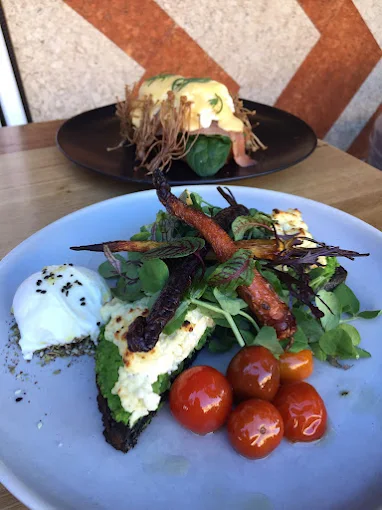
Village on Cloey is a Portuguese cafe in Clovelly where co-owner Diogo Ferreira and his mother Lucia make Portuguese tarts daily by hand, using a recipe from Diogo’s late father, who brought it with him from Portugal in the 1980s. The cafe has its own story of community roots: Ferreira joined forces with a long-time friend and a former Flying Fish chef to open Village on Cloey in January 2016, when the restaurant below his apartment became vacant. The space was stripped back to expose the concrete ceiling, giving it a raw and natural feel.

The venue sits at the intersection of Clovelly Road, Mount Street and Fern Street — a busy little corner that also holds a post office, a bank and the local bottle shop. Village on Cloey holds its own in good company.


(Note: Village on Cloey and Tuga Pastries share family roots but are separate businesses.)

Published 16-June-2026

5 Things You May Not Know About the Bronte-Coogee Aquatic Reserve

Stretching along Sydney’s eastern coastline from Bronte Beach through Clovelly and down to Coogee, the Bronte-Coogee Aquatic Reserve protects one of the most heavily used — and surprisingly diverse — marine environments in the city.


While thousands of swimmers, divers and walkers pass through the area every week, many locals still do not realise just how significant the reserve is beneath the surface.

It Covers More Than 4 Kilometres of Coastline

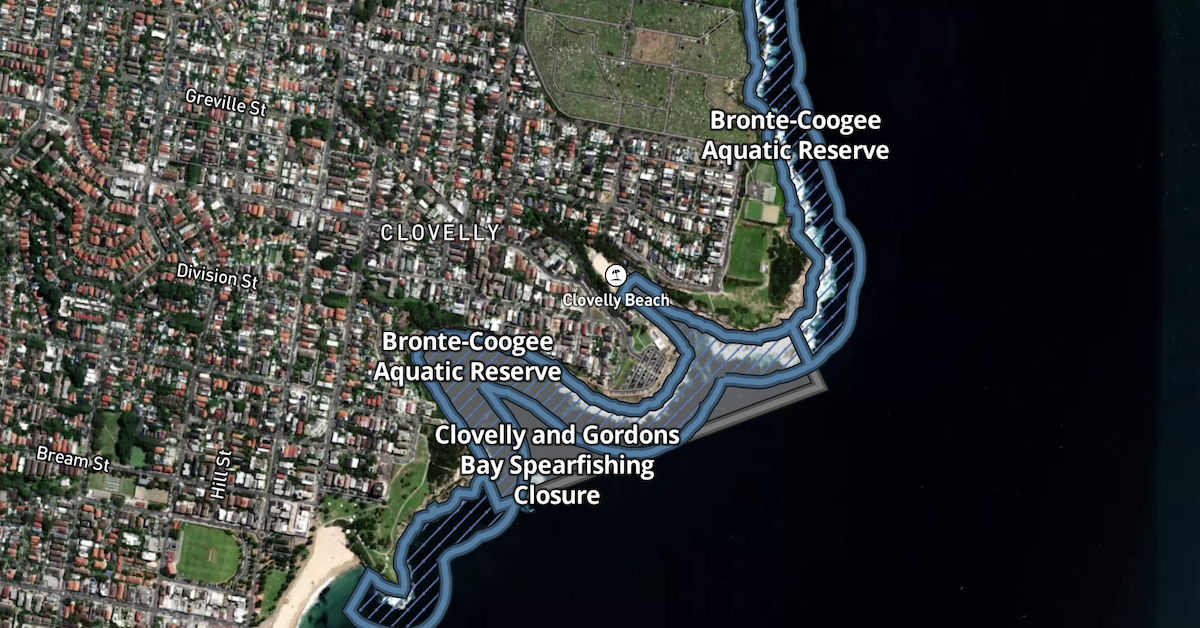
The Bronte-Coogee Aquatic Reserve extends from the southern end of Bronte Beach to the northern end of Coogee Beach and reaches 100 metres offshore.

The reserve covers about 43 hectares and includes roughly four kilometres of coastline, taking in some of Sydney’s best-known ocean spots including Gordons Bay and Clovelly Bay.

Clovelly’s Famous Blue Gropers Are Protected

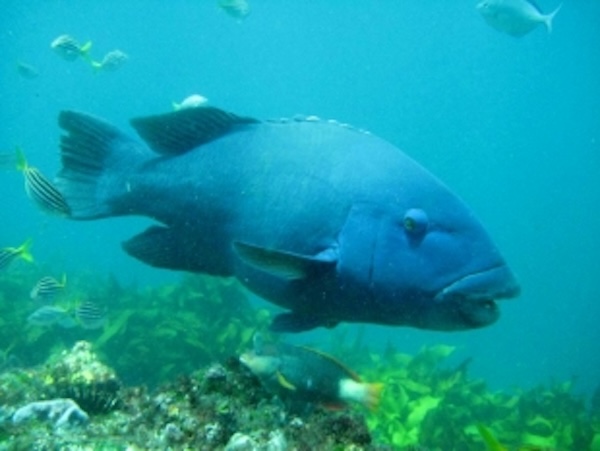
The eastern blue groper has become something of a local celebrity around Clovelly and Gordons Bay, with snorkellers and divers regularly swimming alongside the large fish.

Because of their importance within the reserve, blue gropers receive additional protection and cannot be taken anywhere in NSW waters. Parts of the reserve also have stricter fishing and spearfishing restrictions aimed at protecting marine habitats and fish populations.

There’s an Underwater Nature Trail at Gordons Bay

One of the reserve’s lesser-known attractions is the 500-metre underwater nature trail at Gordons Bay.

The self-guided dive and snorkel trail takes visitors across rocky reefs, kelp forests and sandy sections while showcasing the marine life living below the surface. Gordons Bay’s steep rocky drop-offs are known for attracting a wide variety of fish and invertebrates.

You Can’t Even Collect Empty Shells There

Many visitors do not realise the reserve has strict rules around collecting marine life and shells.

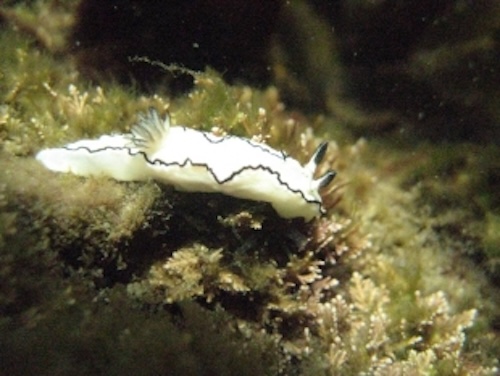
The collection of most marine invertebrates is prohibited, including crabs, sea stars, worms, octopus and sea urchins. Even empty shells are protected because they provide habitat for living organisms.

Only limited species, including certain rock lobsters and sea lettuce, can legally be collected within the reserve under NSW fishing regulations.

The Reserve Has Been Protected for Decades

Before becoming an aquatic reserve in 2002, the area operated as an Intertidal Protected Area during the 1990s.

Today, the reserve is jointly managed through arrangements involving the NSW Department of Primary Industries and Randwick Council, with environmental protections also affecting nearby coastal development. Properties and developments within 100 metres of the reserve are subject to additional environmental oversight.

For many eastern suburbs locals, the reserve may simply feel like part of the coastline — but beneath the surface it remains one of Sydney’s most important urban marine environments.


Published 30-March-2026

The Clifftop Cemetery Near Clovelly That Draws Visitors From Around the World

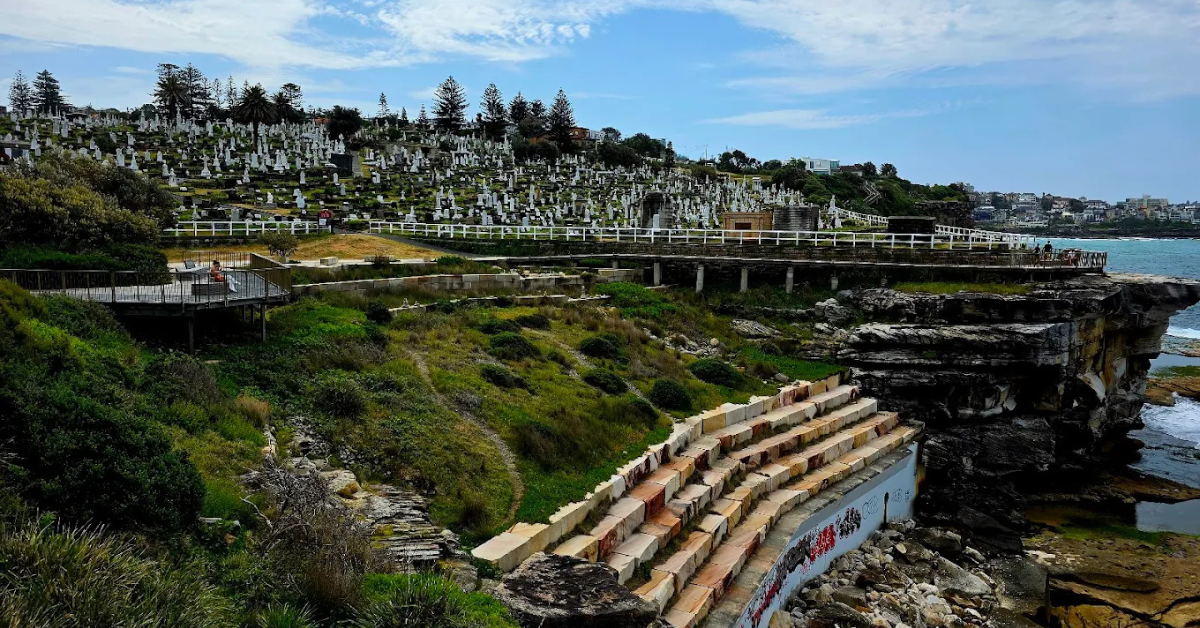
Perched above the ocean between Bronte and Clovelly, Waverley Cemetery is one of Sydney’s most recognisable landmarks — a heritage-listed burial ground known as much for its dramatic coastal views as its historical significance.


Established in 1877, the sprawling clifftop cemetery has become both a major tourist attraction and an important part of Sydney’s history, with more than 50,000 graves spread across 17 hectares overlooking the Pacific Ocean.

For many Clovelly locals, the cemetery is a familiar sight along the Bondi to Coogee coastal walk, but visitors regularly travel from interstate and overseas to explore its Victorian and Edwardian monuments, family vaults and notable gravesites.

Weekly Tours Explore History and Famous Residents

Every Saturday morning, Waverley Council and volunteers from Friends of Waverley Cemetery run guided tours through the grounds from 9am to 10.30am.

The tours focus on different themes, allowing repeat visitors to experience different parts of the cemetery’s history across multiple visits.

Tour tickets are purchased online, with proceeds helping fund restoration and maintenance work across the cemetery grounds and memorials.

Visitors begin at the Cemetery Office Entry Porch off Trafalgar Street before setting out through winding pathways and cliffside sections overlooking Bronte and Clovelly beaches.

Built as Sydney’s Burial Needs Expanded

Waverley Cemetery was established after Sydney’s older burial grounds at Brickfield Hill — now the site of Central Station — began running out of space during the 19th century.

Waverley Council spent more than a decade acquiring land and developing the cemetery grounds, including roads, drainage systems and stonework, before the first burial took place in 1877.

That first interment was Ruth Allen, aged 85.

Today, the cemetery remains active, meaning funeral services and burials may still be taking place during public tours.

Prime Ministers, Sporting Heroes and Writers Buried There

The cemetery is the final resting place of many prominent Australians, including former NSW Governor Sir Roden Cutler, poet Henry Lawson, Olympic swimmer Fanny Durack and aviator Lawrence Hargrave.

Cricketer John Fingleton, who played during the infamous Bodyline era, is also buried there, alongside media figures, politicians, actors and business leaders from across Australia’s history.

More than 200 veterans from World War I and World War II are also buried within the cemetery grounds.

Many memorials feature elaborate carvings and statues, ranging from angels and Celtic crosses to more unusual Gothic-inspired monuments that continue to attract photographers and history enthusiasts.

Steep Paths and Ocean Views

Because the cemetery sits along a coastal ridge, much of the terrain is uneven and steep in places.

Visitors are encouraged to wear comfortable footwear and bring water, particularly during warmer months, as tours involve significant walking across sloping pathways and stair sections.

For many visitors though, the combination of history, architecture and uninterrupted ocean views toward Clovelly and the wider eastern suburbs coastline makes the experience unlike any other cemetery in Australia.


Published 17-May-2026

Parking Proposal Puts Pressure on Clovelly Streets

Narrow streets and limited parking already shape daily life in Clovelly, but a proposed expansion of paid parking is raising concerns that access to homes and the coastline could become more difficult and more expensive for residents.


The proposal, established in March 2026, plans to introduce paid parking in the beach areas around Randwick, but residents will still be able to apply for permits to park for free. According to the consultation page on Visitor Pay Parking, the move is intended to ease pressure on locals who currently fund the bulk of beach maintenance through rates.

The consultation ran from early March to mid-April 2026, with Council now reviewing feedback and preparing a revised version of the plan.

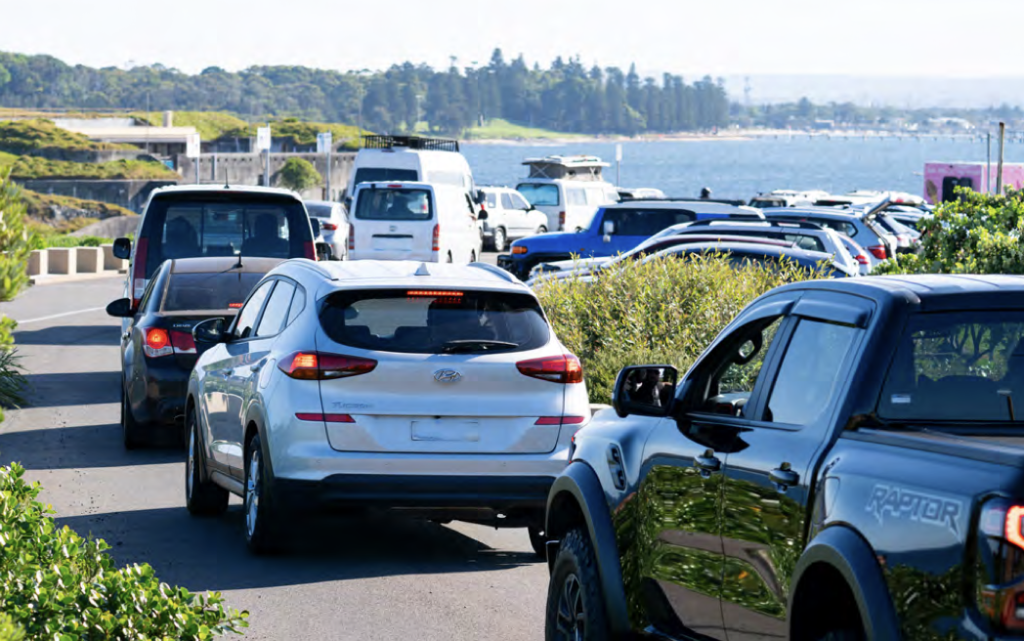
Tight parking conditions in Clovelly add to resident concerns

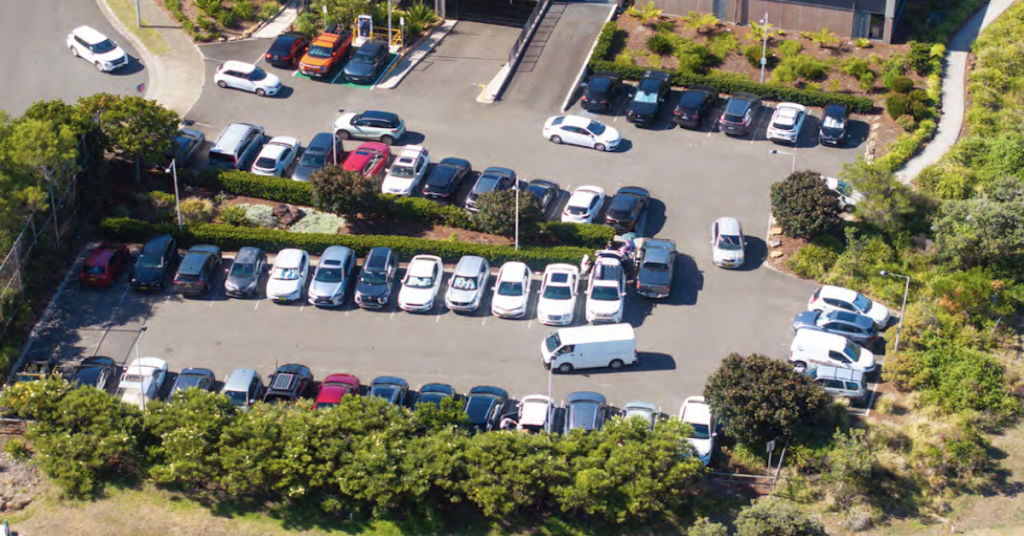
Parking in Clovelly is already constrained by the suburb’s layout, with many homes lacking off-street parking and relying on street spaces. Residents have raised concerns that introducing paid parking could place additional pressure on streets that are already heavily used, particularly during weekends and summer periods when beach traffic increases.

Local discussion has highlighted uncertainty about how the proposed permit system would work in practice. Community posts from the area have suggested that resident permits may still be tied to existing time limits, meaning drivers would need to move their vehicles once timed parking expires.

This has raised concerns that residents could face restrictions similar to visitors, particularly in high-demand areas close to the beach.

Photo Credit: RandwickCityCouncil

Some residents have also argued that introducing meters would not increase the number of available spaces, but could change how long vehicles stay, potentially affecting turnover in ways that do not benefit locals.

Others have suggested the proposal could push more visitors to park further into residential streets, increasing competition for spaces away from the beachfront.

While many residents have raised concerns, others see potential benefits. Some community members have suggested that charging for parking could discourage visitors from driving, which may reduce congestion and encourage the use of public transport.

Photo Credit: RandwickCityCouncil

Funding needed to maintain coastline services

Randwick City Council has said it spends about $23.5 million each year maintaining its coastline, including lifeguards, cleaning, stormwater systems and coastal infrastructure. In its public statements, the council has said many beach users come from outside the local area, and that introducing paid parking for visitors would help fund these services.

Council documents from April 2026 show more than 7,000 online submissions and thousands of additional responses were received during consultation. 

Community campaigns, including a petition on Change.org, have also raised concerns about affordability, access and the impact on local neighbourhoods.

Randwick City Council has indicated it is preparing an updated version of the proposal, which may address issues raised during consultation, including permit limits and access.


Published 28-April-2026

Clovelly Beach Parking Remains Free While Some Sydney Beaches Charge Up To $11.60 Per Hour

Clovelly Beach parking remains free while several Sydney beaches charge hourly fees of up to $11.60, according to a survey comparing parking costs across 25 coastal locations.


The comparison identified the highest parking rate at the Bondi Beach Parking Area, where the hourly fee is listed at $11.60. A number of Northern Beaches locations, including Manly, Freshwater, Curl Curl, North Curl Curl, Dee Why, Collaroy, Narrabeen, Mona Vale, Newport, Avalon and Palm Beach, were listed at around $10 per hour.

Balmoral Beach was listed at about $8 per hour, while some parking areas near Coogee were listed at $5.50 per hour.

Despite these charges at several locations, a group of Sydney beaches continues to offer free parking. The list includes Clovelly, Tamarama, Maroubra, Malabar, Little Bay, La Perouse, Brighton-Le-Sands, Ramsgate, Kurnell and Cronulla.

Clovelly Beach NSW
Photo Credit: Google Maps

Clovelly Beach Parking And Facilities

Clovelly Beach provides free on-street parking around the beach and a large free car park on the southern side of the bay.

The beach is located at 3–25R Eastbourne Avenue and sits at the end of a narrow bay. Concrete promenades and platforms line both sides of the beach and are commonly used for swimming access and sunbathing.

A 25 x 6 metre saltwater pool is located on the lowest southern platform. The northern side of the beach includes a ramp that provides disabled access into the water.

Facilities at Clovelly Beach include public toilets, showers, change facilities and nearby food outlets. The Clovelly Surf Life Saving Club is located on the southern side.

Clovelly Beach is patrolled year-round by lifeguards and volunteer surf lifesavers. Patrol hours operate from 8 a.m. to 6 p.m. during daylight saving and 7 a.m. to 5 p.m. outside daylight saving.

The beach is located within the Bronte–Coogee Aquatic Reserve, where restrictions apply to protect marine life. Spearfishing is prohibited and fishing for blue groper is not permitted.

Clovelly Beach Parking
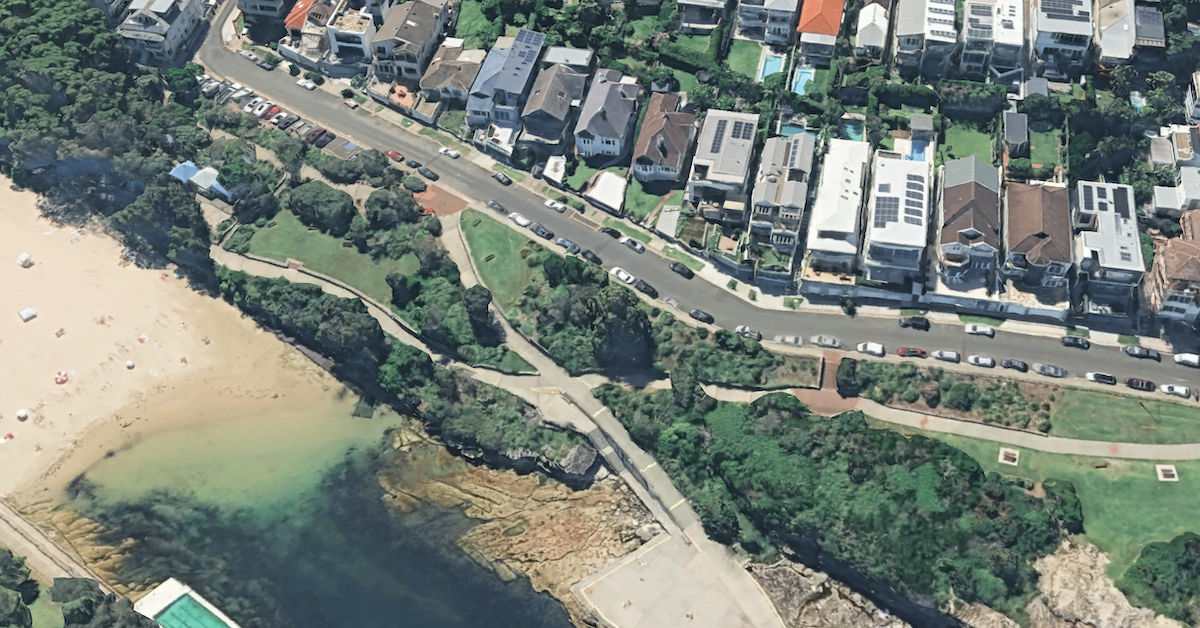
Photo Credit: Google Maps

Visitor Parking Proposal Includes Clovelly Beach

A separate report outlined a proposal to introduce paid parking for non-residents at several beaches in Sydney’s eastern suburbs, including Clovelly Beach.

The proposal applies to seven beaches: Clovelly, Coogee, Maroubra, Malabar, Little Bay, La Perouse and Yarra Bay. The concept includes a resident permit system that would allow locals to remain exempt from parking fees.

About 9 million people visit beaches in the local area each year, with 84 per cent of beachgoers travelling from outside the local area. Annual beach-related services and maintenance costs have been listed at about $23.5 million.


A six-week consultation period has been opened to gather community feedback about the proposal.

Published 4-Mar-2026

Clovelly Home Sale Raises $10.4m for Students Across Australia

A family home in Clovelly has delivered a rare windfall for education support across Australia, after a beachfront property sold for more than $10 million with every dollar directed to helping disadvantaged students — a move that is expected to support about 1,300 young people and leave a lasting mark on the local community.


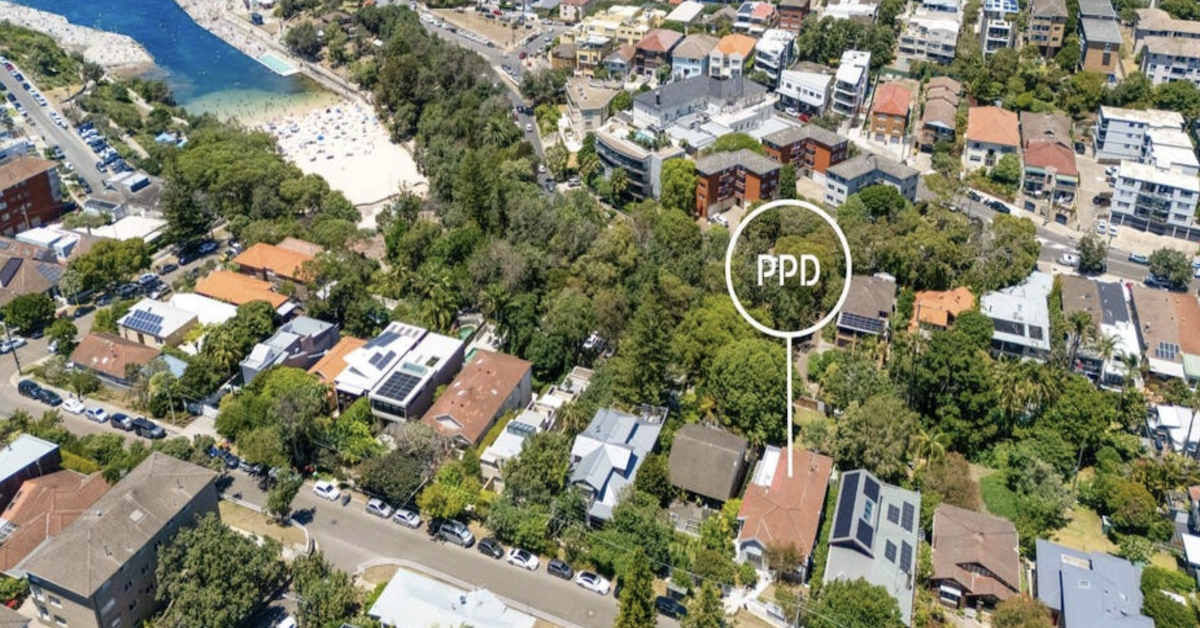
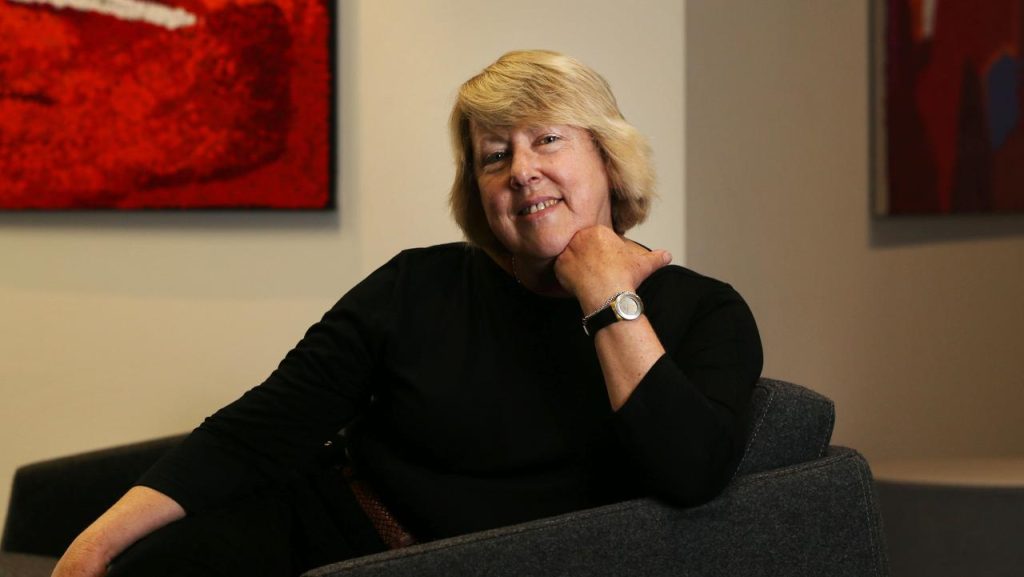
The Surfside Avenue property sold at auction on 14 February 2026, with the proceeds donated to children’s education charity The Smith Family, following the wishes of the late Dr Karen Duggan, a cardiovascular physician and medical researcher who had supported the organisation for decades.

Photo Credit: Hypertension Australia

A local legacy shaped by giving

The five-bedroom home, set beside Clovelly Beach with direct access to the shoreline, had been in the same family since the 1950s. Dr Duggan inherited the property from her parents and later directed in her will that its sale should help children facing financial barriers to education.

Family members who oversaw the estate described the decision as consistent with Dr Duggan’s long-standing focus on education and community care. She had worked as an associate professor of medicine at the University of New South Wales and helped establish the biotechnology firm Vectus Biosystems, reflecting a career built on research and education.

The property’s auction drew a large crowd of residents, prospective buyers and charity representatives, highlighting the strong local interest in the sale and its purpose. Eight bidders registered for the auction, with competitive offers pushing the final price to $10.425 million.

The real estate agents handling the sale also contributed to the cause, donating their commission to increase the funds directed to the charity. Details of the property listing were published by PPD Real Estate, which confirmed that the full proceeds were pledged to support disadvantaged students.

Support for students nationwide

The Smith Family, a national organisation working with families across Australia, provides financial assistance for school costs such as uniforms, books and digital devices, along with programs that help parents support their children’s learning.

The donation from the Clovelly sale is expected to help fund education support for about 1,300 students over five years through the charity’s programs. The organisation has described the contribution as creating meaningful long-term support for young people and their families.

A statement shared by The Smith Family said the funds would strengthen its Learning for Life scholarships, which help children stay engaged in school and build future opportunities.

A moment that brought the community together

Coverage of the Clovelly auction described a strong turnout, with neighbours, media crews and local families gathering to watch the sale unfold.


For many residents, the outcome reflected the property’s close ties to the suburb’s history. The home had been a familiar part of the neighbourhood for generations, and its sale for charitable purposes created a shared sense of local pride.

Published 17-Feb-2026