The 600-Metre Nature Trail Hidden Beneath Gordons Bay

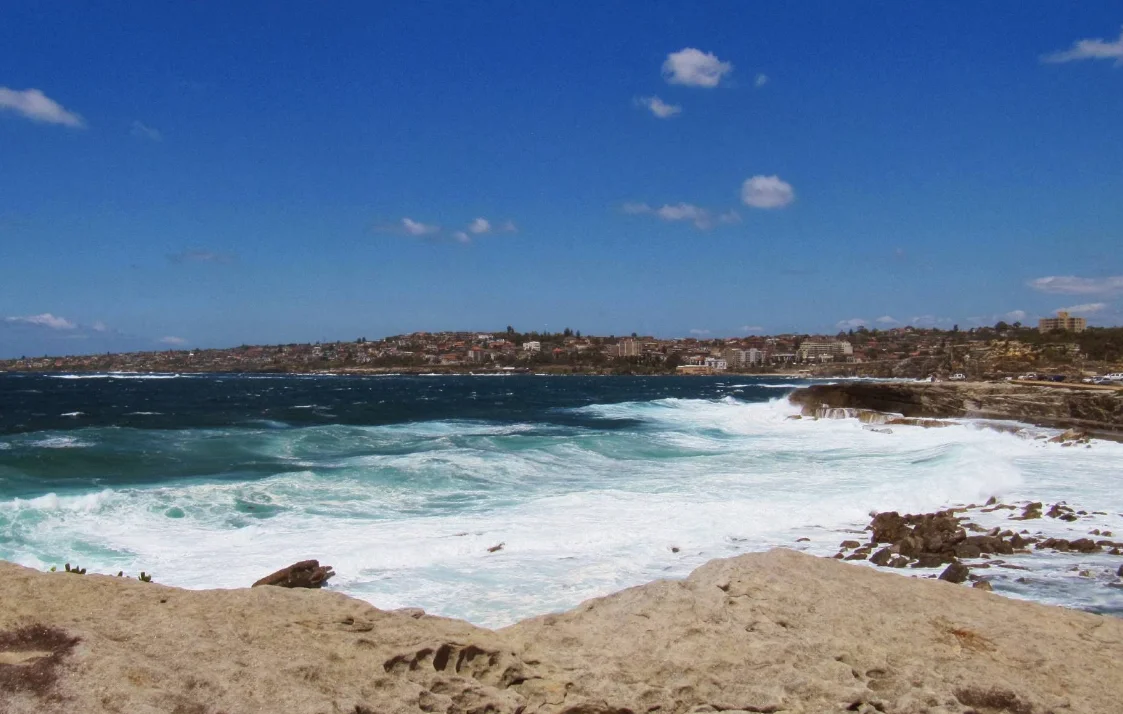
Beneath the water of Gordons Bay lies something most visitors will never see from shore: an underwater nature trail winding through reef, sand and kelp.


Randwick City Council describes the trail as running for about 600 metres, with concrete-filled drums positioned roughly 20 metres apart and connected by chain.

Steel plaques along the route provide information about local marine life, creating what Council compares to a bushwalking track — except this one is underwater.

A complete scuba dive takes about 40 minutes. When conditions are clear enough, snorkellers can also follow the route from the surface.
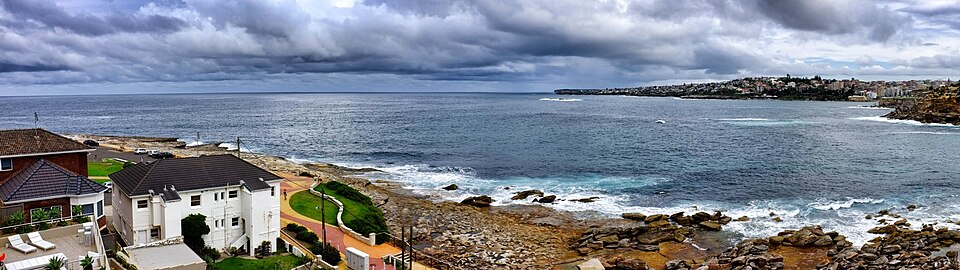
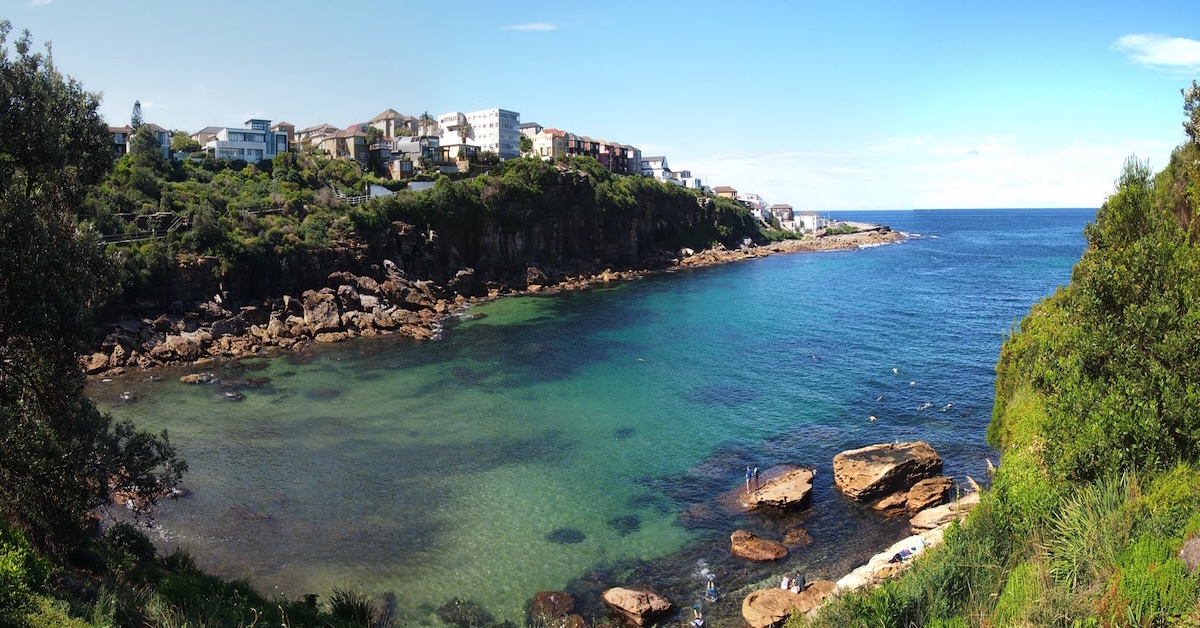
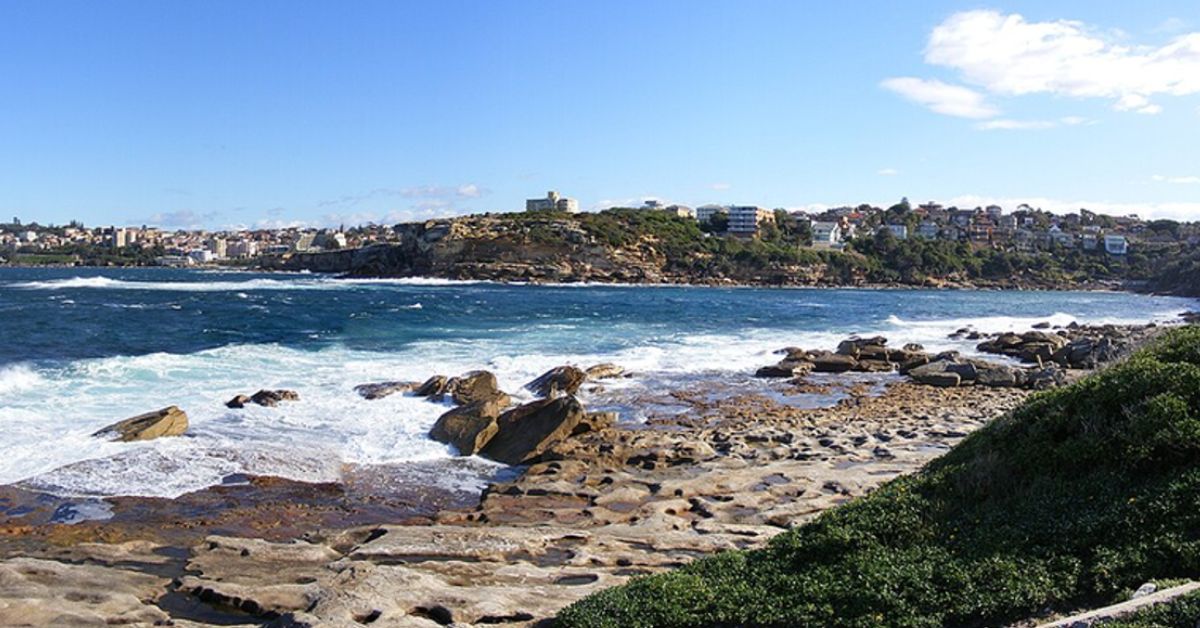
Gordons Bay panorama — wide overview of the bay and surrounding coastline. Wikimedia Commons, photographed by Tim Grubb. CC BY-SA 3.0.

An Idea Dating Back to 1985

The trail’s origins stretch back more than 40 years.

According to archives maintained by the Gordons Bay Scuba Diving Club, Rick Poole and Dennis Hunt submitted a proposal to NSW Premier Neville Wran in June 1985 to establish an underwater nature trail in Thompsons Bay, as Gordons Bay was also known.

Contemporary reports promoted the proposal as a plan for Australia’s first underwater nature trail.

Getting it built took years.

The proposal moved through government processes before trial dives were undertaken in 1987. Work on the physical trail began in earnest in 1990.

Building a Walking Track Underwater

Creating the trail meant getting heavy concrete anchors from the shore into the bay and positioning them underwater.

Club records show that 25 drums filled with concrete and fitted with stainless-steel bolts were placed at the entrance to Gordons Bay in February 1990.

The uneven terrain made moving them difficult, but a sea access ramp being constructed with involvement from the NSW Department of Sport and Recreation and Randwick City Council helped make it possible to roll the drums into the water.

It became a community effort.

Students from Marist Brothers Pagewood helped move drums into the sea, while Cranbrook School students later assisted with positioning them. St George Mini Mix and Pioneer Concrete supplied surplus concrete for the anchors.

Divers then had to place and connect the trail beneath the surface.

On 12 November 1990, the final drum was connected.

The diving club’s records put the effort required to complete the trail at 30 dives and 56.5 hours underwater.

What Divers Can Find Along the Trail

The route passes through several marine environments, including rocky reefs, sand flats and kelp forests.

The Gordons Bay Scuba Diving Club lists blue gropers, weedfish, seadragons, wobbegongs and Port Jackson sharks among the animals seen in the bay at different times of the year.

Giant cuttlefish, sea slugs, anemones, sea stars and sea urchins are among the many invertebrates also found there.
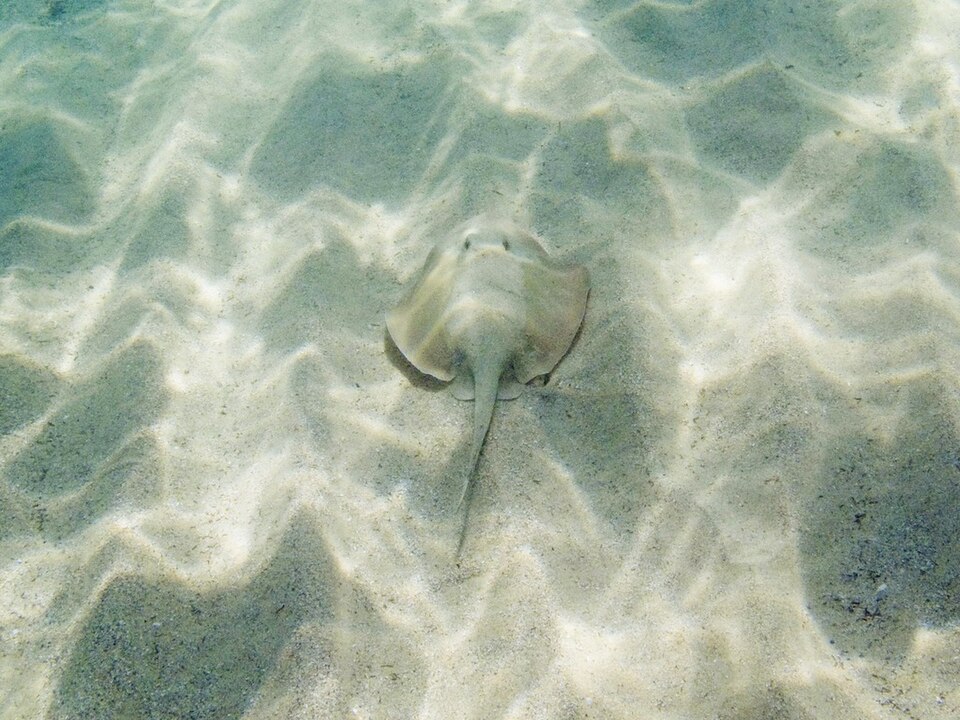
Common stingaree photographed underwater at Gordons Bay — Wikimedia Commons, photographed by lennyk410. CC BY 2.0.

More Than 35 Years Underwater

The trail has now been beneath Gordons Bay for more than 35 years.

The Gordons Bay Scuba Diving Club, established in 1990, continues to identify care and maintenance of the underwater nature trail as its main activity.

There is one discrepancy in descriptions of its length. The diving club describes the route as 500 metres, while Randwick City Council currently puts it at 600 metres.

What is not in dispute is that the unusual trail remains part of Gordons Bay.

Above the surface, people walking between Coogee and Clovelly can pass the secluded bay without any obvious sign of what lies below.


Underneath them is a nature trail conceived in the 1980s, physically built with the help of divers, students and volunteers, and still guiding people through the marine environment of Gordons Bay more than 35 years later.

Published 16-August-2026
Clovelly Riders Could Gain from Three Major Randwick Cycleway Proposals

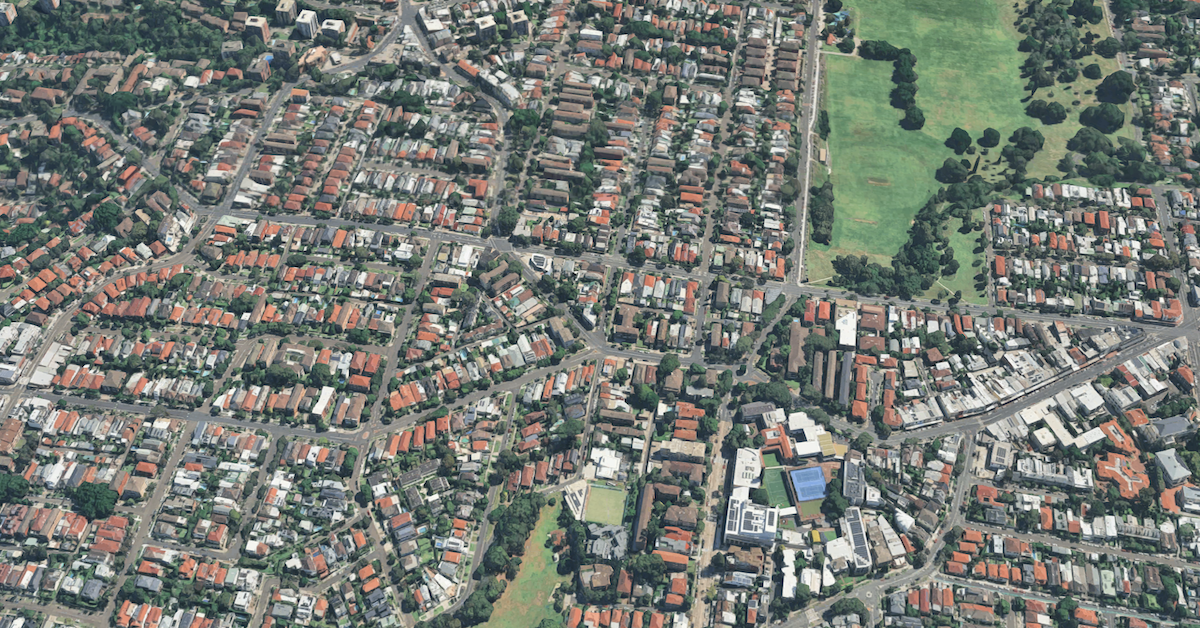
Public consultation has wrapped on three major walking and cycling projects in Randwick, marking the latest step in the plans for a more connected cycling network across the city. While the headline proposals focus on Kingsford, Kensington and Maroubra, their eventual delivery could expand the cycling connections available to Clovelly residents travelling across Randwick and towards the Sydney CBD.


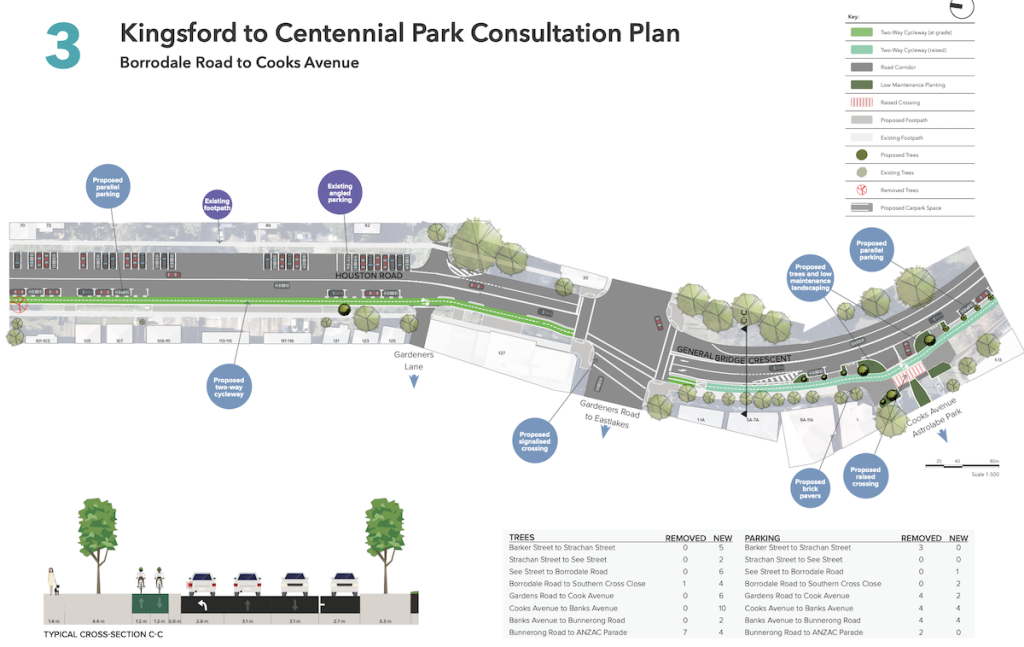
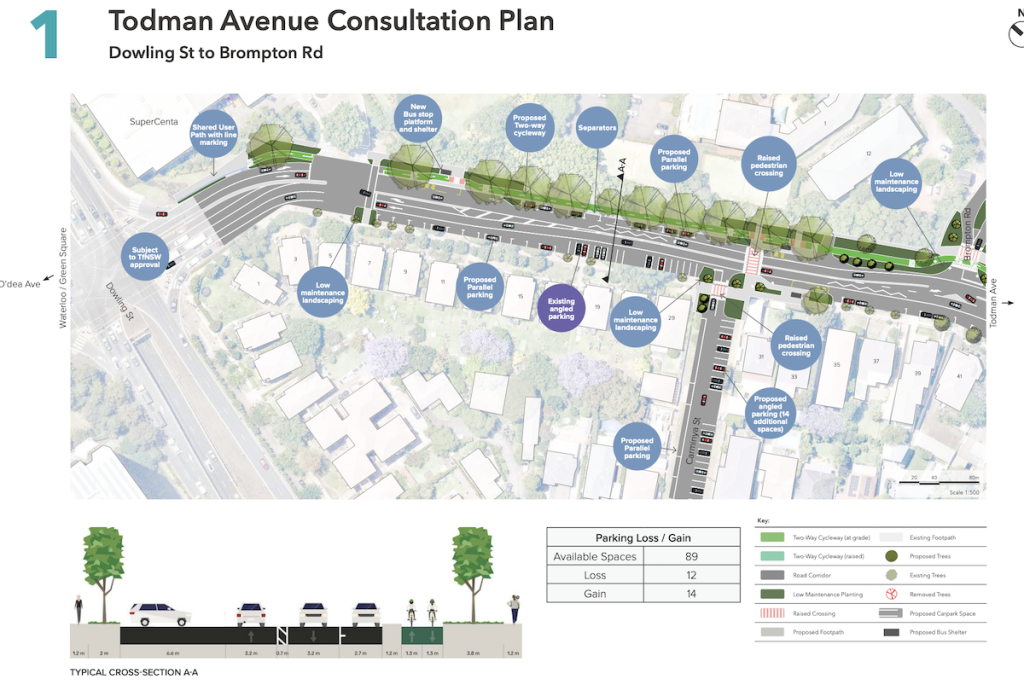
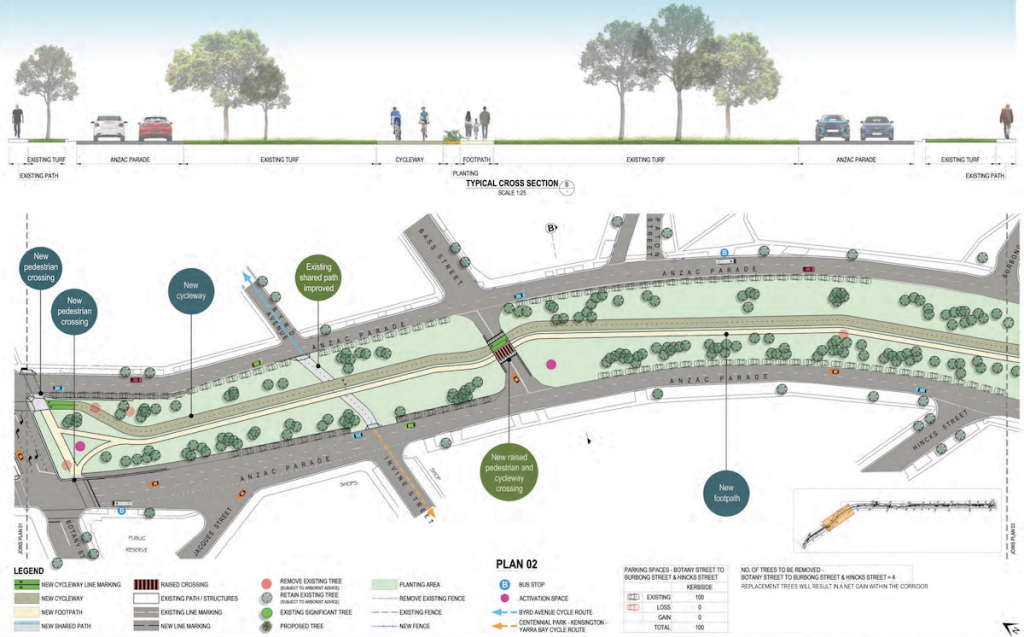
The recently concluded community feedback touched on three route concepts: the third and final stage of the Kingsford-to-Centennial Park cycleway, a proposed link along Todman Avenue, and a walking and cycling corridor through the former tramway median on Anzac Parade.

Though none of the three projects is located in Clovelly, planning documents place them within a much broader cycling network. Under Randwick’s Active Transport Plan, Clovelly Road is identified as route C11, linking Clovelly Beach with Centennial Park.

Centennial Park sits at the heart of Clovelly’s wider cycling connections

For Clovelly riders, Centennial Park is an important junction in the planned cycling network. The usefulness of a future Clovelly-to-Centennial Park cycling link would increase if riders could continue onto safe, connected routes beyond the park.

Completing Stage 3 of the Kingsford-to-Centennial Park cycleway — extending south from Barker Street to Sturt Street — would create a 2.8-kilometre separated cycleway between Kingsford and Centennial Park, improving access to UNSW and connecting with adjacent City of Sydney cycleways.

Click to check the Kingsford to Centennial Park Plan
Photo Credit: RandwickCityCouncil

Meanwhile, the proposed Todman Avenue route would extend the network westward, improving cycling access from Kensington towards Green Square station, Waterloo Metro station and the Sydney CBD.

Click to check the Todman Ave Plan
Photo Credit: RandwickCityCouncil

To the south, the proposed Anzac Parade route would use the former tramway median to create a new greenway spine between Kingsford and Fitzgerald Avenue, improving cycling access towards Maroubra Junction.

Click to check the Anzac Parade Plan
Photo Credit: RandwickCityCouncil

If delivered alongside the planned Clovelly Road connection, the three projects would give riders reaching Centennial Park access to a wider network towards Kingsford, Kensington, Green Square, Waterloo, the Sydney CBD and Maroubra.

Clovelly’s cycling connection has been on the map for years

A cycling connection between Clovelly and Centennial Park is not a new idea. The Clovelly Road connection has appeared in council cycling plans since at least 2015, while the current Active Transport Plan also identifies a coastal C6 route between Clovelly and Little Bay.

However, a line on a strategic network map is not the same as a funded construction project.

The NSW Government is funding design development for the three proposals, while construction remains subject to future NSW Government funding. As of 11 August, council had not published submission totals on the three project pages or set a construction timetable.

The next test is whether the network gets funded and built

The next step will be what council makes of the community feedback and whether funding can be secured to move the proposals towards construction.


The bigger issue for Clovelly is how much of the surrounding network ultimately progresses from concept plans to funded infrastructure. The usefulness of Clovelly’s planned cycling connections would be substantially greater if the routes around Centennial Park, Kingsford, Kensington and Anzac Parade are also delivered.

Published 11-Aug-2026

5 Things You May Not Know About Clovelly

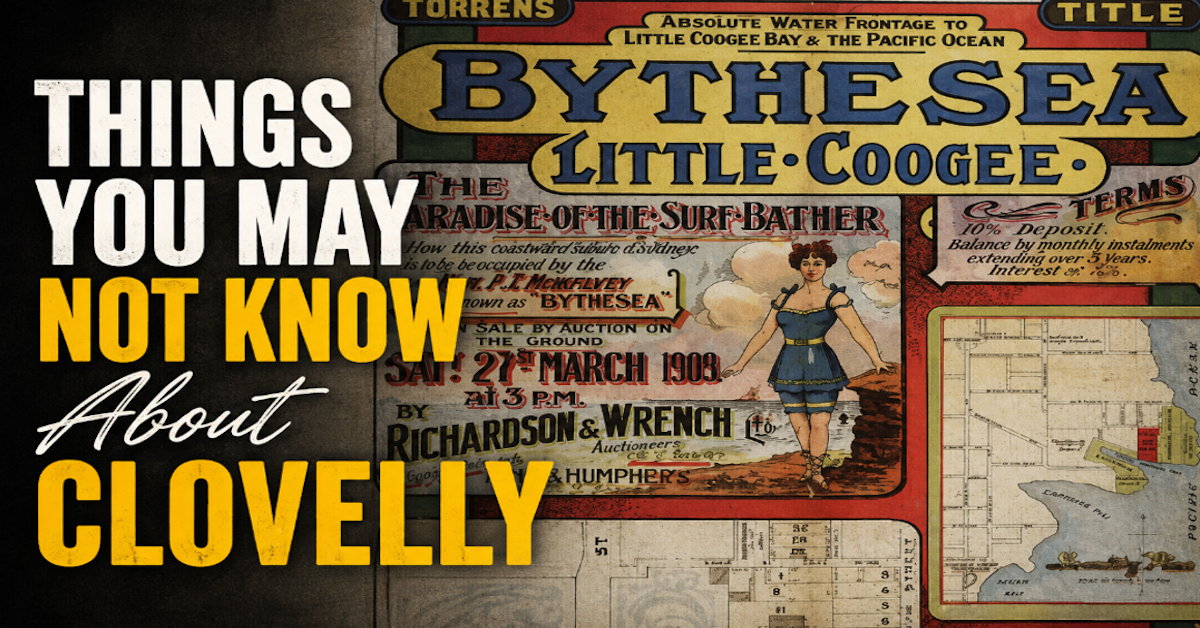
Before it became Clovelly, this pocket of Sydney’s eastern coastline was called Little Coogee. It has also been known as “Poverty Point”, was once dominated by a castle-like mansion and nearly had a road built across the mouth of its bay.


Today, Clovelly is one of Sydney’s best-known seaside suburbs, built around its narrow sandstone cove and swimming culture.

But behind the beach, concrete promenades and tightly held homes is a history that looks very different from the Clovelly locals know today.

Here are five things you may not know about the suburb.

1. Clovelly Used to Be Called Little Coogee

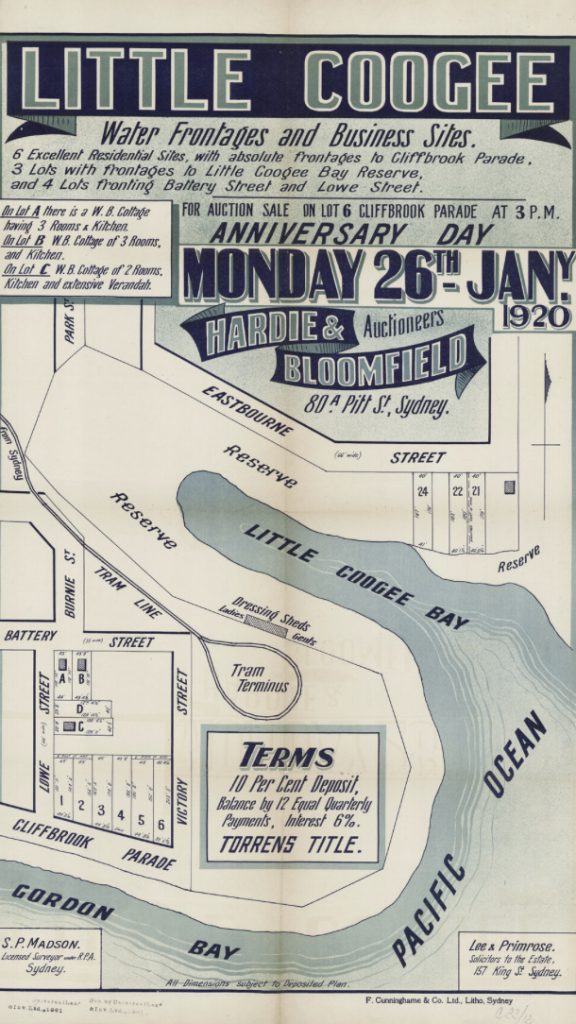
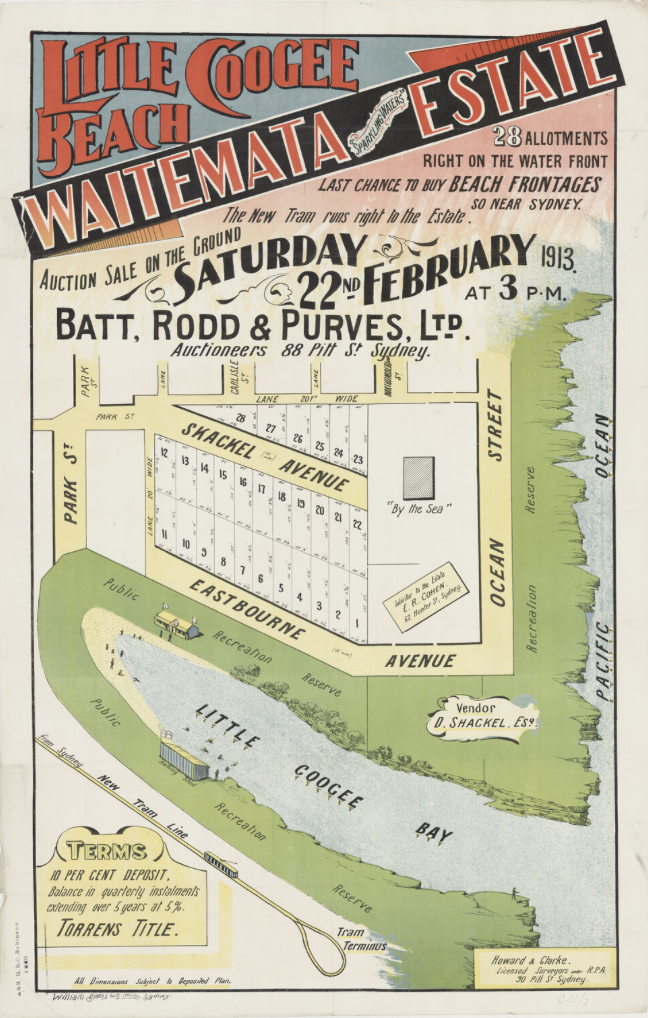
For years, the area now known as Clovelly was called Little Coogee, after the larger Coogee Beach further south beyond Gordon’s Bay.

The name survived into the early 20th century, but the arrival of better public transport created a problem.

Photo Credit: Our Story/RCC

Subdivision had gathered pace by 1909 and the local progress association was pushing for the tramway to be extended to the growing neighbourhood. The tram line was eventually completed in 1913.

With trams now travelling to both Coogee and Little Coogee, local residents wanted to remove the potential for confusion.

The Little Coogee Progress Association held a naming competition in 1914. Its president, F H Howe, suggested Clovelly, after the fishing village of the same name in Devon, England.

It won.

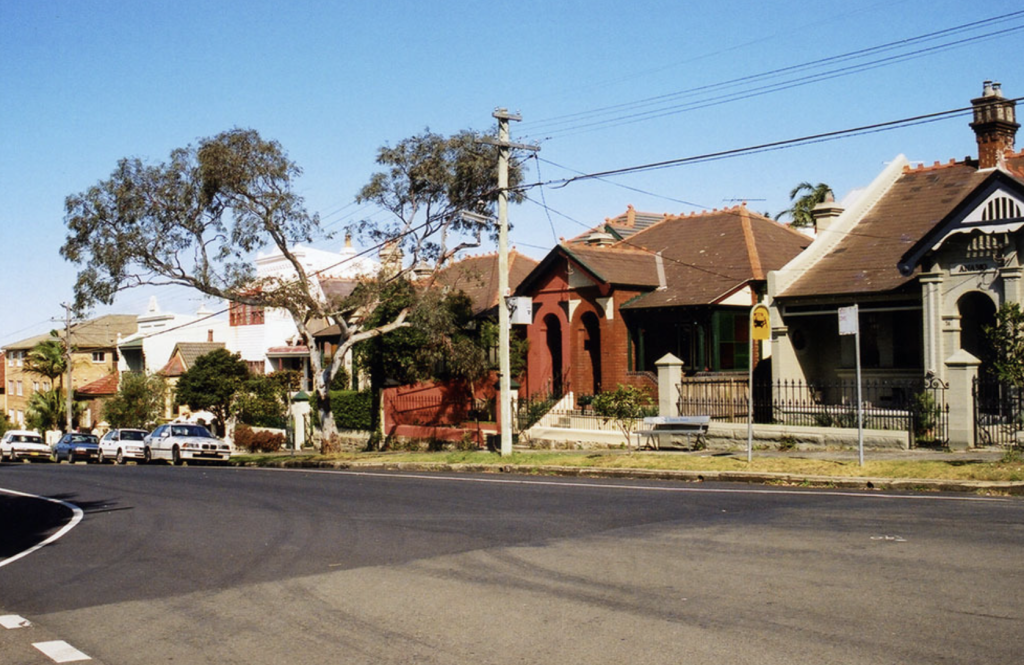
Another popular contender was Eastbourne. Although it failed to become the suburb’s name, it survives today in Eastbourne Avenue.

Photo Credit: Our Story/RCC

2. Clovelly Was Once Known as ‘Poverty Point’

It is difficult to reconcile with modern Clovelly property prices, but the area was once known locally as “Poverty Point”.

Longtime resident Linda McIntosh recalled the nickname when speaking about her childhood in Clovelly for Randwick City Council’s Local Legends oral history project.

She remembered taxi drivers picking up her mother after shopping in Bondi and, on occasion, being reluctant to take the family to Clovelly because they feared passengers at the destination might not pay their fares.

Early Clovelly was certainly more modest than the suburb of today.

Homes initially clustered around Northumberland, Campbell and Boundary streets. Further west, some houses in Greville Street incorporated sandstone quarried around nearby Knox and Fewings streets.

Photo Credit: Our Story/RCC

3. A Castle-Like Mansion Once Dominated the Area

One of Clovelly’s most remarkable buildings has completely disappeared.

In 1834, William Charles Greville, a clerk in the Colonial Secretary’s Office, paid £40 for 20 acres of beachfront land at Little Coogee Cove. Greville Street later took his name.

The land subsequently passed through several owners.

Dr John Dixon built a mansion called Rock Brook, surrounded by elaborate gardens. The property later passed to John Campbell, George Renwick and then newspaper proprietor Samuel Bennett.

Bennett incorporated the earlier house into the much grander Mundarrah Towers, an imposing castellated residence that became a local landmark.

It survived until 1926, when it was demolished as suburban development transformed Clovelly. Mundarrah Towers made way for another enduring local institution: the Clovelly Hotel.

4. There Were Plans for a Causeway Across Clovelly Bay

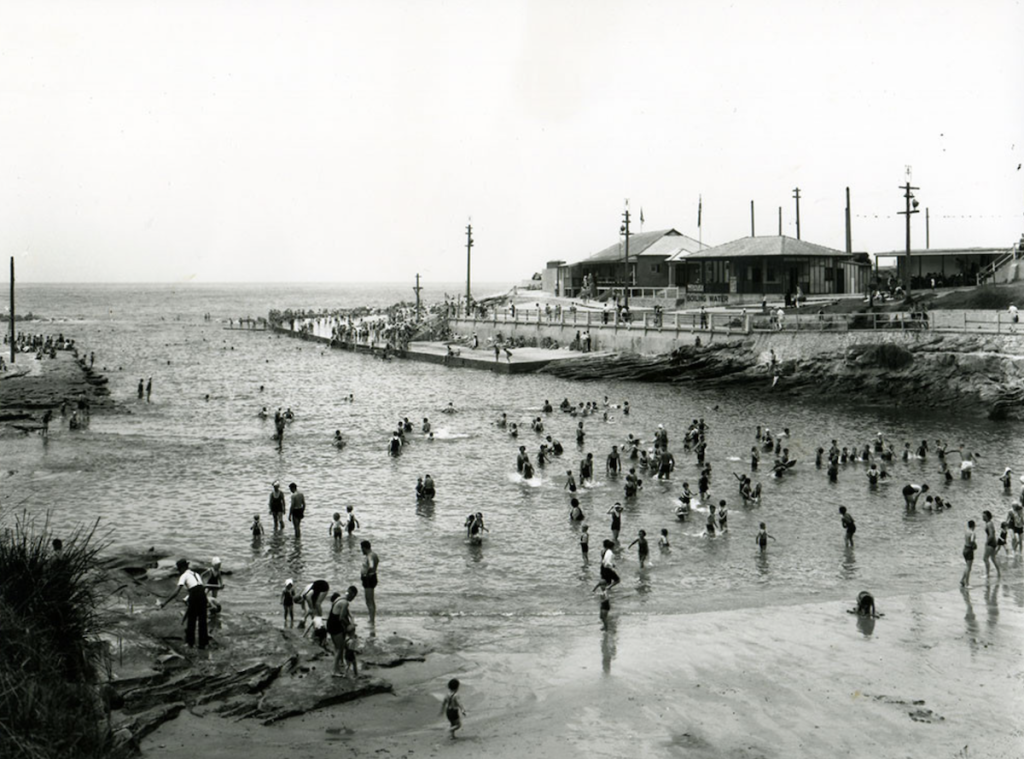
Clovelly’s concrete platforms are now an inseparable part of the beach, but their history stretches back to public works undertaken during the Great Depression.

Photo Credit: Our Story/RCC

The projects provided employment for local men while improving access around the cove.

The plans were ambitious.

The concrete platforms were intended to be connected by a causeway across the mouth of the bay, suitable for motor traffic and designed to make it easier for bathers to move around the foreshore.

It was never completed as planned.

A severe storm in 1938 destroyed the causeway project and the idea was abandoned.

Remnants can still be exposed at low tide, while the surviving underwater structures have effectively become a reef-like habitat.

5. Shark Point Was Once Part of Sydney’s Coastal Defences

The swimmers, walkers and sightseers around Clovelly’s headlands today occupy a coastline that once had a very different purpose.

Shark Point was fortified from 1879, forming part of wider efforts to strengthen Sydney’s coastal defences during a period of concern about possible attack by foreign powers, including Russia.

Fortifications were positioned along strategic parts of the coastline from the approaches around Botany Bay towards Sydney Harbour and South Head.

It means a place now associated overwhelmingly with swimming and recreation once had a role in the defence of Sydney.

From Little Coogee to ‘Cloey’

Other remnants of Clovelly’s past are scattered throughout the suburb.

A public infants school was operating from the Church of England Mission Hall in Varna Street by 1897, with Eliza McDonnell teaching an average attendance of 76 pupils. Clovelly Public School officially dates from 1913, when permanent accommodation was provided in Arden Street.

Surf lifesaving also became an important part of the suburb’s identity. Clovelly Surf Life Saving Club was formed in 1907.

One of the most significant events in its early history occurred on 5 December 1927, when five young men became trapped by a rising tide at Schnapper Rocks. More than 30 lifesavers took part in the rescue. Four were saved, but 19-year-old Thomas Wooldridge drowned. Randwick City Council records the event as the “Rescue off Schnapper Rocks”.

Photo Credit: Our Story/RCC

Clovelly even once had its own cinemas. The Clovelly Kings Cinema closed in 1959 as television changed entertainment habits. It later became the Clovelly RSL before most of the building was demolished for apartments, with its distinctive ocean-liner-style façade retained.

From Little Coogee to “Poverty Point” and eventually the Clovelly affectionately known as “Cloey”, the suburb has undergone several transformations.


Much of the old Clovelly has vanished, but its history remains visible in its street names, sandstone, shoreline — and in the name the suburb eventually chose for itself.

Published 11-Aug-2026

Clovelly Eskimos Fly the Flag at Sydney Winter Swimming Meet

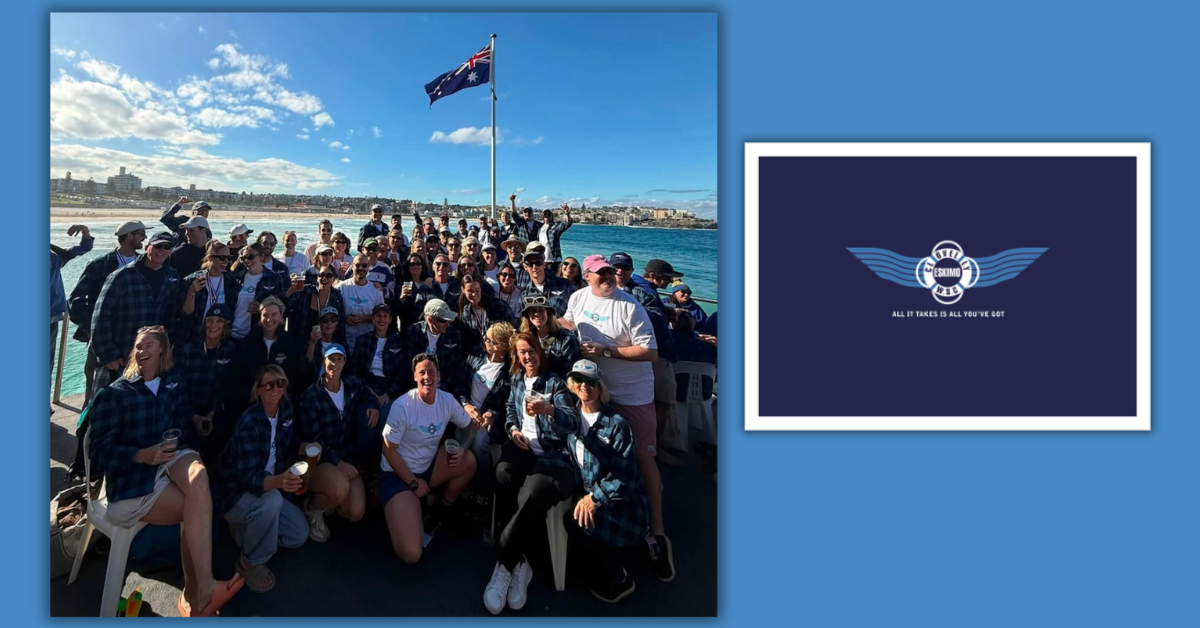
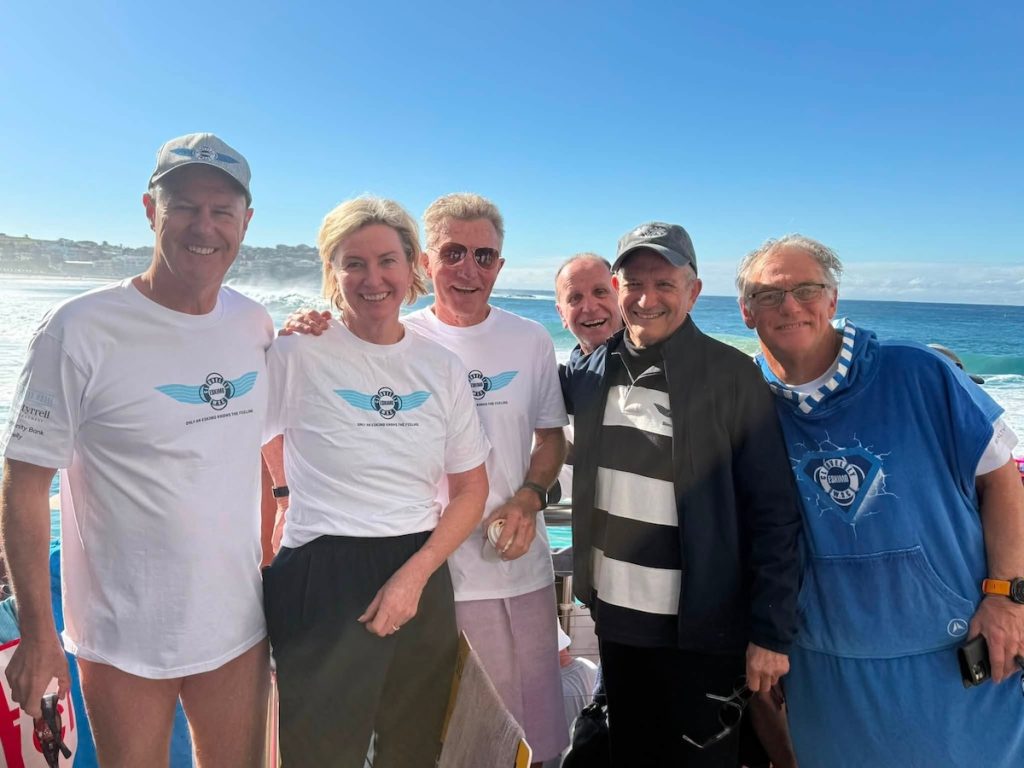
The Clovelly Eskimos have carried their distinctive brand of cold-water competition and club spirit into the Sydney Invitational Winter Swim Meet, joining swimmers from across the city for one of the season’s key inter-club gatherings.


Cr Carolyn Martin, who attended with the Clovelly group, described the event in a social media post as a showcase of sportsmanship, camaraderie and community. She highlighted the atmosphere surrounding the competition, where club rivalry was matched by a shared commitment to keeping Sydney’s winter swimming tradition alive.

A Clovelly institution built for the colder months

The Eskimos are the winter swimming division of Clovelly Surf Life Saving Club and have been part of the suburb’s sporting life since 1954. Their season traditionally runs through the colder months, with Sunday races held across Clovelly Bay.

The program includes short-distance handicap events designed to give swimmers of different speeds the chance to compete on relatively even terms. New participants establish a race time before joining the regular competition, making the format accessible to experienced swimmers and newcomers alike.

While the races provide the formal structure, the club’s appeal extends well beyond results. Post-race gatherings, raffles and shared meals have helped shape an old-school surf club culture in which participation and connection matter as much as finishing first.

Photo Credit: CrCarolynMartin/Facebook

Club rivalry gives way to common purpose

The Sydney Invitational provides the Eskimos with an opportunity to test themselves beyond their home bay while strengthening ties with other winter swimming clubs. The meet brings together competitors from established groups across Sydney, each with its own history, traditions and loyal membership.

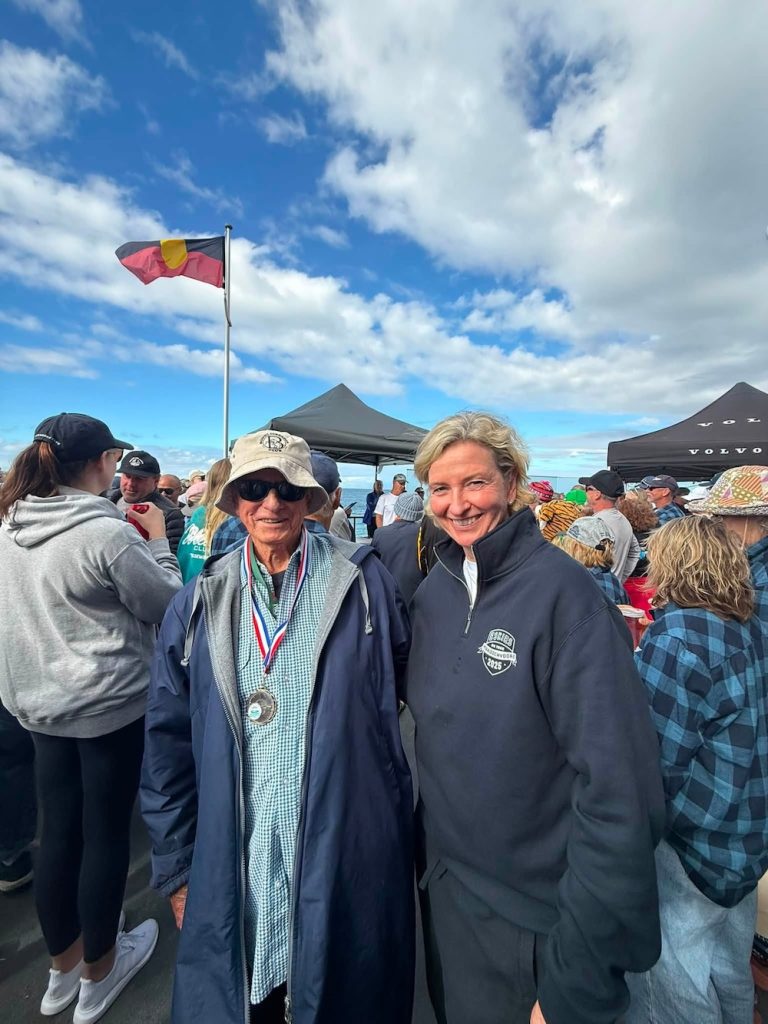
Among the performances recognised was that of Bondi Icebergs veteran Les Crane, who was named champion of the 90 Years and Over category. His result captured the intergenerational character of the event and the longevity that winter swimming can inspire.

Photo Credit: CrCarolynMartin/Facebook

A tradition sustained by those who keep turning up

The Clovelly Eskimos’ participation in the invitational was another chapter in a history stretching across more than seven decades. The club remains a meeting place for swimmers prepared to brave cold water, maintain local traditions and represent their suburb beyond the sheltered waters of Clovelly Bay.


Sydney’s winter swimming culture survives because groups such as the Eskimos continue to turn up, race hard and preserve the community built around the water.

Published 6-Aug-2026

Woman Charged Following Police Operation in Clovelly

A 32-year-old woman has been charged with multiple offences following a police operation in Sydney’s eastern suburbs and a crash that damaged several parked vehicles on Clovelly Road.


Police had been attempting to locate Kailee Murphy on Saturday night when the incident unfolded.

Police allege the woman drove towards officers as she left the area in a Holden SUV, causing them to take evasive action.

A short time later, the vehicle crashed into several parked cars on Clovelly Road.

Nearby residents reported hearing a loud impact shortly before 10:00 p.m., while security footage reportedly showed a woman leaving the area following the crash.

Search Follows Clovelly Crash

Police searched the surrounding area following the incident, with officers from the Dog Unit also involved.

Murphy was arrested in Matraville on Sunday.

She was subsequently charged with several offences, including entering enclosed land without lawful excuse, using an offensive weapon to prevent lawful detention and failing to provide particulars to the owner of damaged property.

She was refused bail.

The charges are allegations and have not been proven in court.


Published 3-Aug-2026

Safer Water Access Planned for Gordons Bay

A safer way into the water could soon be on the horizon for Gordons Bay, with Randwick set to investigate improvements to the well-used entry point that has welcomed swimmers, snorkellers, kayakers, surfers, and divers for more than two decades.


Read: Working Group To Guide Clovelly-To-La Perouse Coastal Walkway


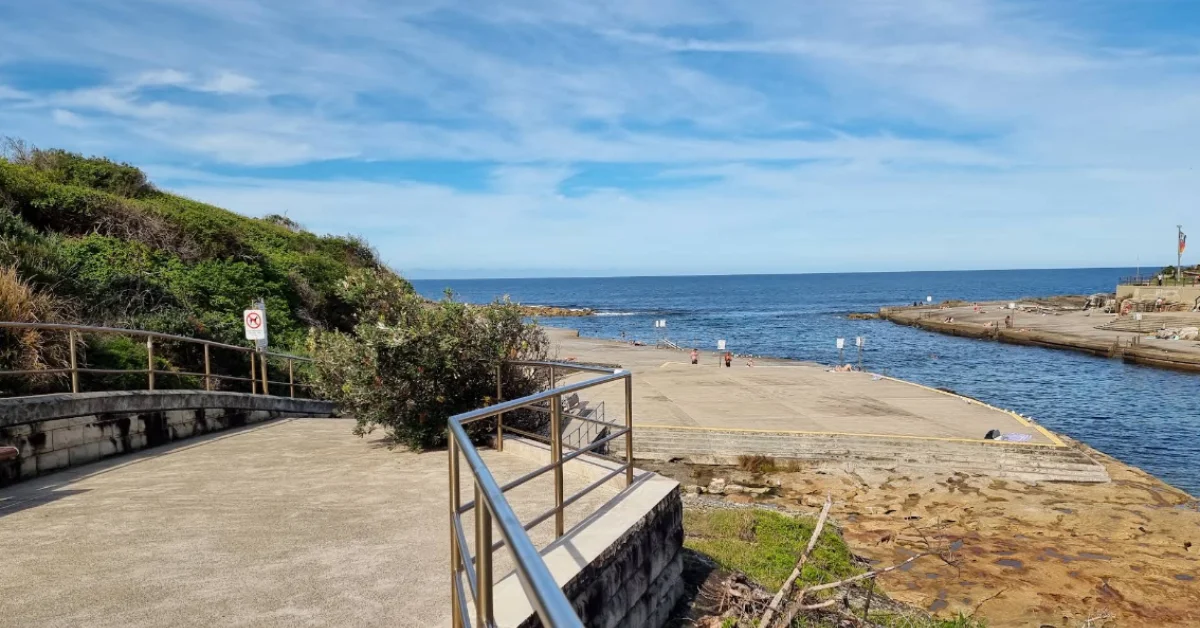
The proposed project focuses on a section of uneven rock platform beyond the existing footpath at the secluded bay between Coogee Beach and Clovelly. Working alongside the Gordons Bay SCUBA Diving Club, Randwick’s local officials will investigate smoothing and levelling about 12 metres of rock where people enter the water. The area is exposed to southerly swells at low and mid tides, making footing more challenging depending on conditions.

Before any work can proceed, the investigation will identify the approvals required from Crown Lands and other authorities, explore potential funding opportunities including NSW grants, and report back on the findings.

A Popular Coastal Spot

Gordons Bay
Photo credit: Google Maps/Roy Henry

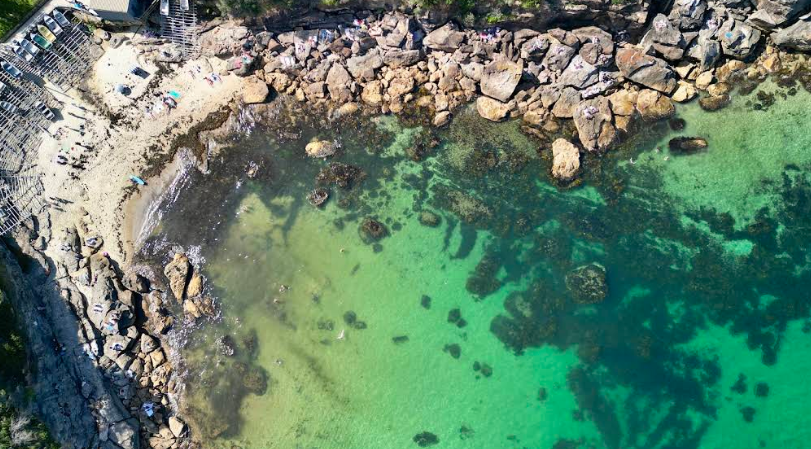
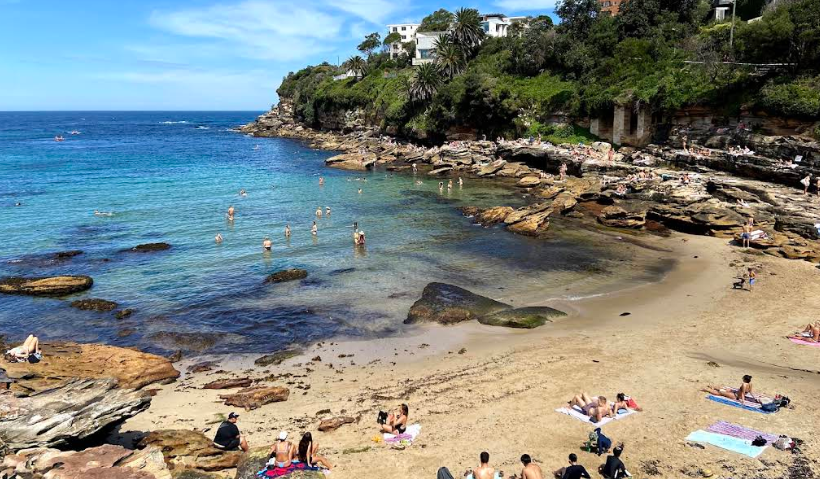
Tucked between Coogee Beach and Clovelly Beach, Gordons Bay attracts visitors looking for a quieter coastal setting. The bay is reached on foot via the coastal walkway, with access available from either Coogee Beach or Clovelly Beach.

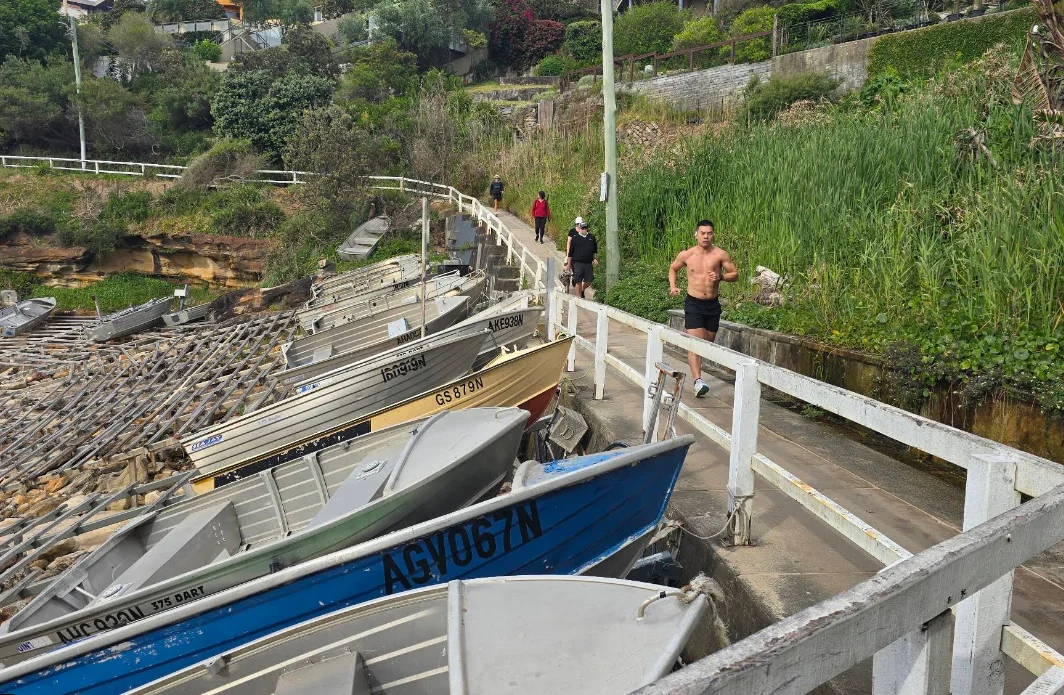
Visitors reach the shoreline via raised boardwalks that wind through a deep gully. The boardwalks protect native vegetation and a small wetland fed by a natural spring, while the beach is lined with boats belonging to the local fishing club. Dense vegetation also provides habitat for small birds and lizards.

The final few metres before reaching the water can require extra care, particularly when conditions are unsettled. Divers familiar with the site note that access is via a gently sloping concrete path leading onto a rock platform, while the final approach can become slippery. Divers also advise that the rocky entry and exit point can be hazardous, particularly when swell increases, recommending guided dives for first-time visitors because knowing where to step is important even on relatively calm days.

Gordons Bay
Photo credit: Google Maps/S C

Despite those challenges, Gordons Bay is a well-known shore diving destination in Sydney. Beneath the surface lies the Gordons Bay Underwater Nature Trail, where a chain of numbered plaques guides divers and snorkellers through habitats that support a rich variety of marine life. The bay is also popular with underwater photographers, free divers and marine enthusiasts when conditions are favourable.

The planned investigation reflects the site’s popularity across a broad range of recreational users. By examining ways to improve footing where people enter the water, the proposal aims to improve safety while remaining subject to environmental and planning approvals.


Read: Beyond the Beach: The Best Clovelly Cafes and Eateries Worth Seeking Out


Any future construction remains subject to further assessment, approvals and funding. For now, the next step is a detailed investigation into what improvements are possible before any work proceeds.

Published 30-July-2026

Could Clovelly Cafés One Day Brew Espresso Without Hot Water?


Clovelly’s local café scene could one day benefit from a coffee-making breakthrough developed just a few kilometres away at the University of New South Wales (UNSW).


Researchers at UNSW in nearby Kensington have developed a new way to make espresso-strength coffee using room-temperature water and ultrasonic sound waves instead of the high heat used in traditional espresso machines. Early tests suggest the method could cut brewing energy by as much as 75 per cent while still producing a full-flavoured cup.

Although the technology is still in the research stage, the discovery could have long-term benefits for cafés looking to reduce energy use without sacrificing quality.

A new way to brew espresso without heating water

Making espresso usually requires water heated to around 90 degrees Celsius before it is forced through finely ground coffee under high pressure.

The UNSW research team explored a different idea. Instead of relying on heat, they used high-frequency sound waves to help extract flavour compounds from coffee grounds while using room-temperature water.

The sound waves create tiny bubbles in the water. As those bubbles rapidly form and collapse, they release small bursts of energy that speed up the extraction process. The researchers found this method produced espresso-strength coffee in about three minutes.

The study also found that the process used significantly less energy than conventional espresso brewing because it removed the need to heat water.

A nearby innovation that could interest Clovelly’s cafés

Coffee is a visible part of daily life in Clovelly. Several cafés and eateries operate along Clovelly Road and near the beachfront, serving residents, beachgoers and walkers using the Bondi to Coogee coastal route.

Local venues, including Sea Salt Clovelly, reflect the suburb’s strong connection between coffee, food and beach life.

For cafés, energy use is a regular operating cost. Many businesses rely on espresso machines throughout trading hours to keep up with customer demand. Any future technology that reduces electricity use may attract interest across parts of the hospitality industry.

No local café has been linked to the UNSW project, and the technology is not yet being marketed as a standard café machine. However, the research highlights one possible direction for more energy-efficient coffee making in the years ahead.

Researchers also wanted to protect the taste

Reducing energy use was only one part of the project. The researchers also wanted to find out whether coffee made with room-temperature water would still appeal to regular coffee drinkers.

According to the research team, blind taste testing showed participants found the ultrasonic coffee comparable to traditionally brewed espresso in several important qualities. The researchers also examined how the process extracted flavour, aroma, oils and caffeine from the coffee grounds.

Those findings suggest reducing heat does not necessarily mean sacrificing flavour, although the researchers said more work is needed before the technology reaches commercial use.


The research remains at an early stage, and customers are unlikely to see ultrasonic espresso machines appear in cafés anytime soon. More testing and product development will be needed before the technology can be used in commercial settings.

Published 7-July-2026

Fishnets Gives Clovelly Locals a New Reason to Dine Close to Home

Sydney’s Eastern Beaches have no shortage of good places to eat, but every so often a restaurant arrives that feels like it belongs in the neighbourhood from day one. Fishnets, the latest addition to Bronte’s growing food scene, aims to do exactly that by pairing refined Japanese cooking with the relaxed pace of beachside dining.


A short trip from Clovelly, the new restaurant offers an alternative to heading into the CBD for premium Japanese cuisine. Instead, diners can settle into a welcoming space where seasonal seafood, carefully prepared sushi, and share-style dishes encourage a slower meal with family or friends.

A Familiar Name Behind Bronte’s Newest Dining Spot

Fishnets is the second venue from hospitality operator Alex Cameron and his Overwhelming Hospitality group, following Table Manners, Cameron’s earlier Bronte venue. Rather than repeating the same concept, Cameron has taken the restaurant in a different direction by focusing on Japanese flavours while keeping the atmosphere approachable and neighbourhood-focused.

Leading the kitchen is Sanghyeop Kim, formerly the head omakase chef at Sydney’s well-known Sokyo. The restaurant’s culinary team has developed a menu that reflects Japanese precision while making the experience feel comfortable enough for a casual weeknight dinner or a long weekend lunch.

Rather than presenting a traditional omakase experience, Fishnets positions itself as a neighbourhood restaurant where guests can enjoy high-quality Japanese-inspired dishes in a relaxed setting.

Seasonal Seafood Shapes the Menu

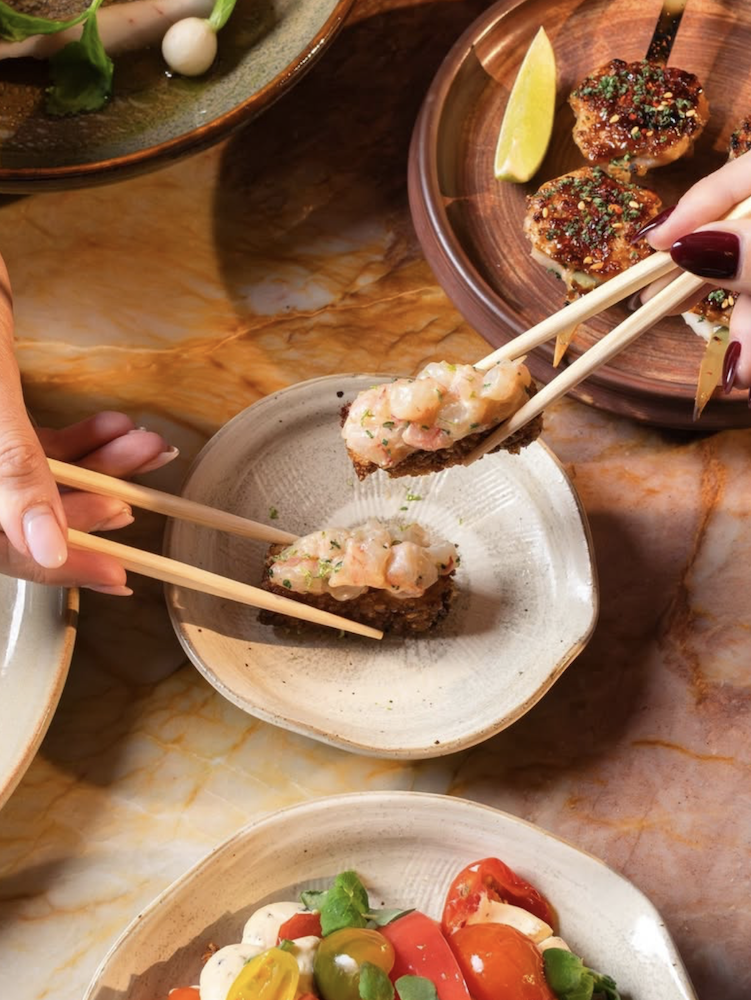
The menu celebrates Australian seafood through a Japanese lens. Nigiri takes centre stage, with selections that reflect seasonal produce and quality seafood sourced for the restaurant. Early coverage has highlighted premium seafood alongside carefully prepared sushi that draws on traditional Japanese techniques.

Fishnets sushi
Photo Credit: Fishnetsbronte/Instagram

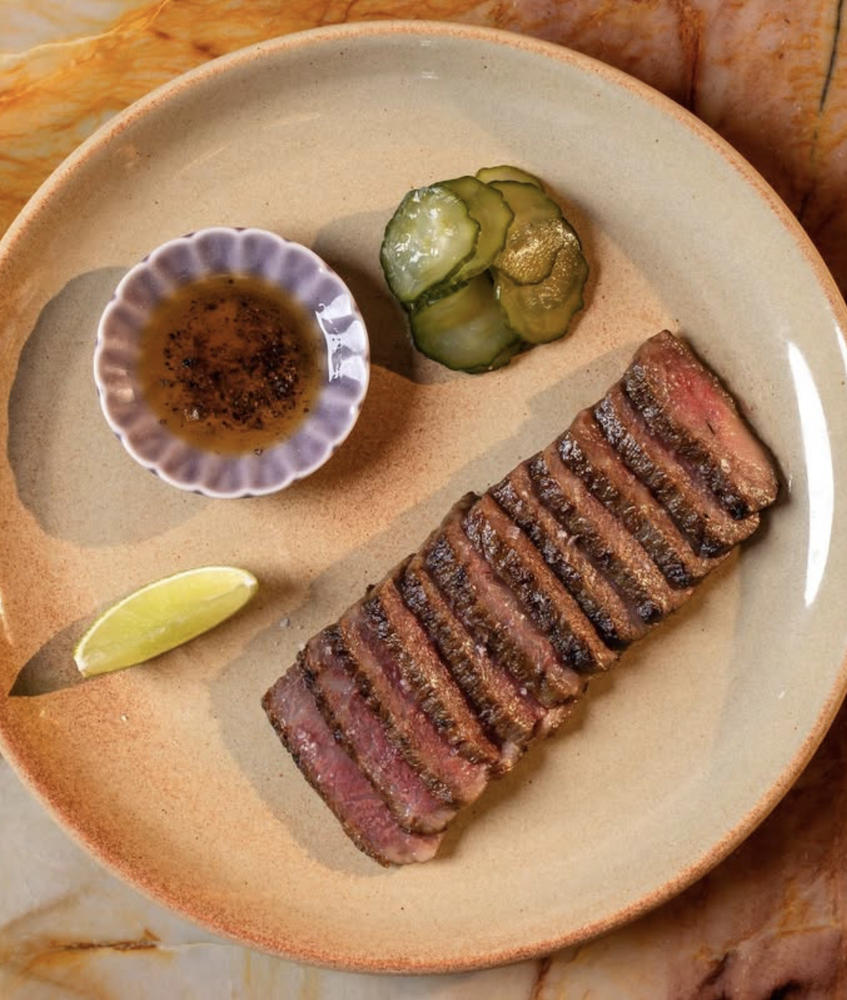
Beyond the sushi offering, the menu features larger dishes designed for sharing. Highlights include tuna katsu, seafood-focused mains, and Australian and Japanese Wagyu, giving diners a mix of lighter and more substantial options.

Fishnets beef
Photo Credit: Fishnetsbronte/Instagram

Dessert continues the Japanese influence with flavours such as matcha and hojicha, while Sydney gelateria Mapo supplies sorbets that round out the menu.

Although the cooking draws inspiration from Japan, Australian ingredients remain central to the restaurant’s approach. The result is a menu that reflects a style of dining becoming increasingly popular across Sydney, where local produce meets international cooking techniques.

A Space Designed for Long Lunches and Relaxed Evenings

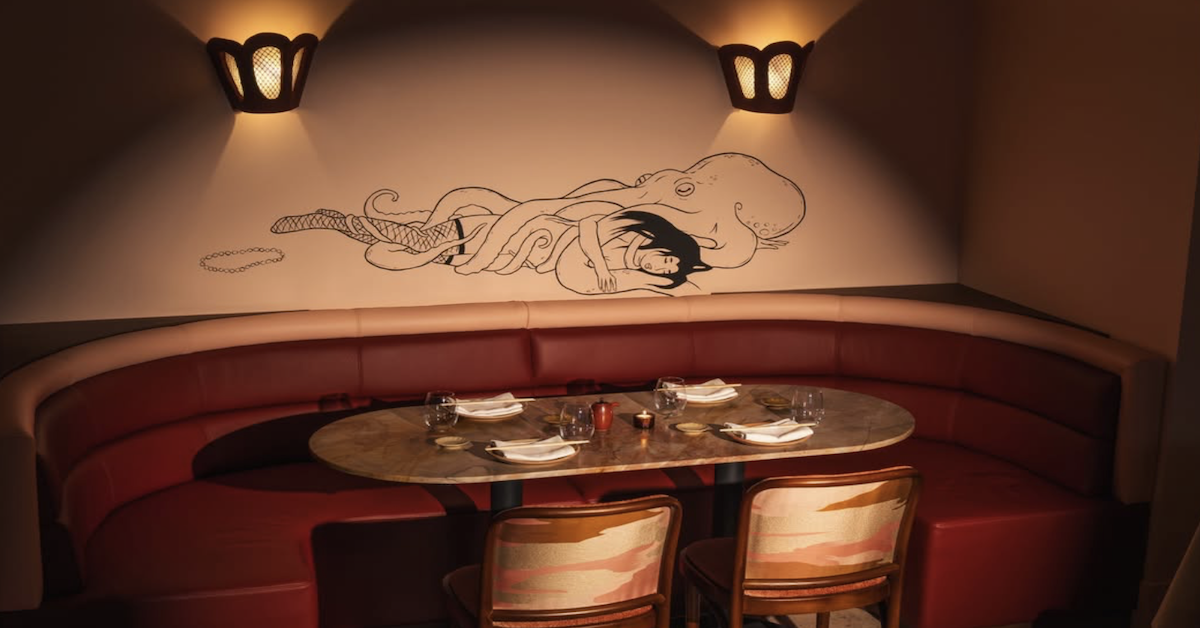
The restaurant’s interior has been designed by Blainey North, who has created a dining room with leather banquettes, warm lighting and a dedicated cocktail bar. The space feels equally suited to an evening meal with friends or a special dinner close to home.

The drinks menu follows the same thoughtful approach. Diners can choose from Japanese-inspired cocktails, sake, Australian wines, Japanese whisky and a selection of local and imported beers.

Fishnets welcomes guests for dinner Wednesday to Friday, then offers lunch and dinner service across the weekend. This makes it an easy addition to a day spent exploring Bronte, Clovelly or the surrounding coastline.

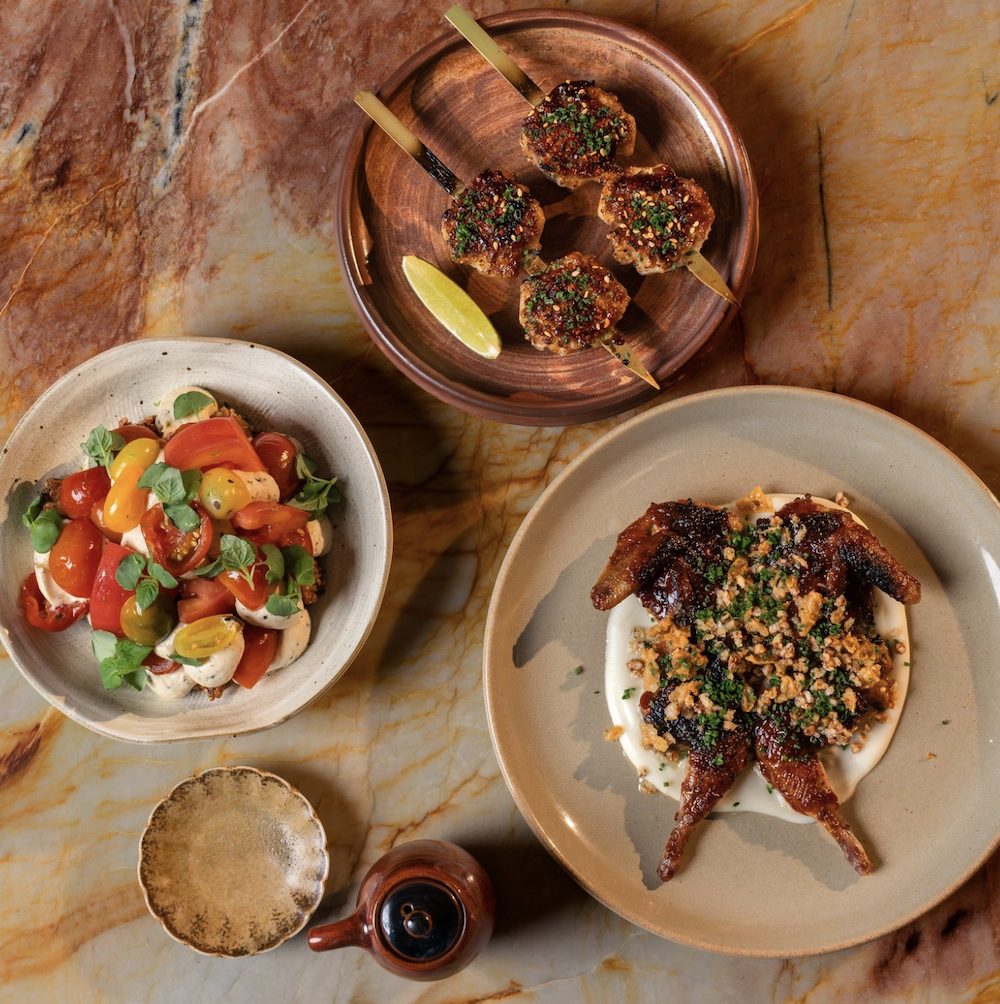
Other dishes at this Bronte restaurant
Photo Credit: Fishnetsbronte/Instagram

Another Stop on Bronte’s Evolving Dining Scene

For Clovelly locals, one of the biggest attractions is simply the location. Instead of planning an evening in the city, residents now have another destination only minutes away that brings together quality food, welcoming hospitality and a coastal setting.


Whether you’re meeting friends after a coastal walk, planning a date night or looking for somewhere new to celebrate a special occasion, the restaurant offers another reason to stay close to home and enjoy what the eastern suburbs have to offer.

Published 1 July 2026

Clovelly Keeps Free Beach Parking After New Parking Scheme Scrapped

Clovelly residents and visitors will continue to enjoy free beach parking after the proposed visitor parking scheme across several Randwick beach areas did not go ahead, ending months of debate over beach access and parking.


The decision followed a strong community response to the proposal, which drew more than 12,000 pieces of feedback from residents, business owners and community groups across the Randwick local government area. Clovelly was among the beachside suburbs that would have been affected by the changes.

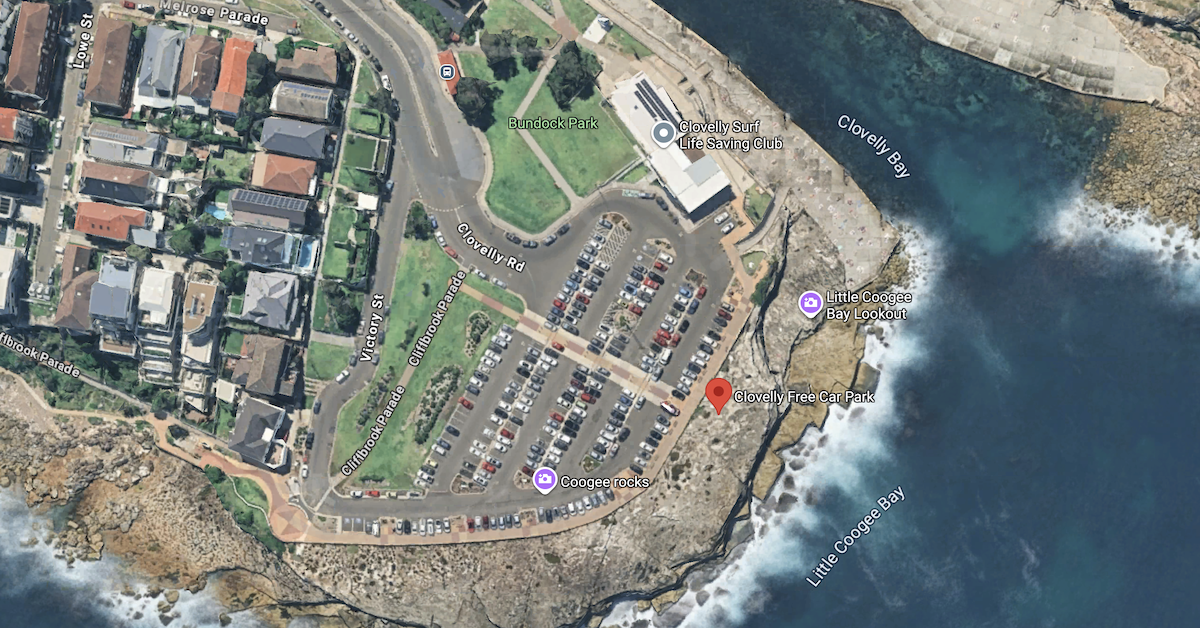
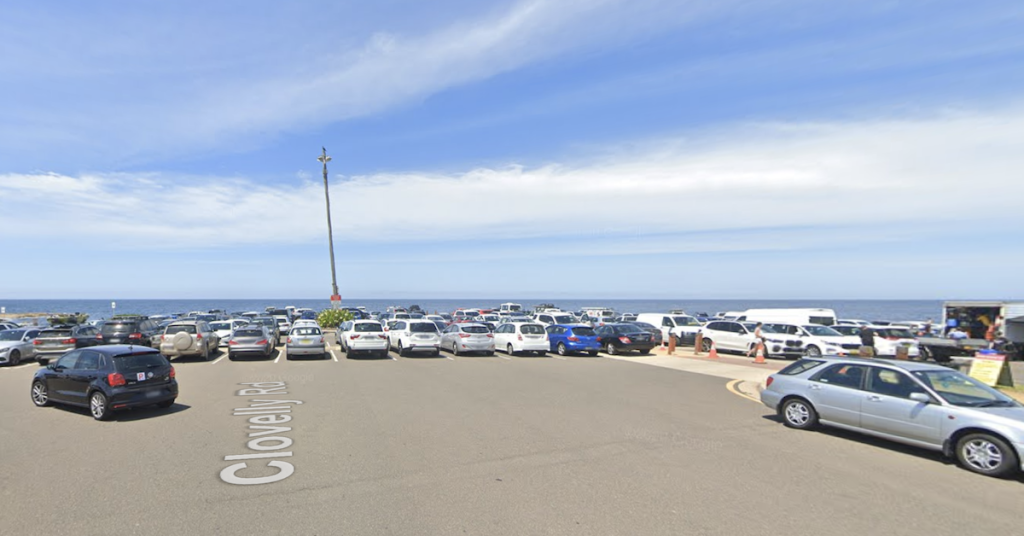
Had the plan gone ahead, Clovelly would have been one of the beaches most affected. Council had proposed introducing parking meters in 250 spaces, making it the third-largest paid parking area under the revised scheme after Maroubra and La Perouse.

Clovelly Was Set to See One of the Biggest Changes

The revised proposal would have introduced paid parking in council-managed beach parking areas at Clovelly. Visitors would have paid $5.70 an hour during summer and $4.70 an hour during winter, with charges applying daily from 8:00 a.m. to 6:00 p.m. Parking would have been limited to four hours to encourage turnover during busy periods.

However, the revised proposal looked very different from the original plan announced earlier this year. After reviewing community feedback, council officers reduced the number of proposed metered spaces across the six beaches from 3,300 to about 1,400.

The revised scheme also removed many proposed meters from residential streets and business areas near beaches. It retained several free parking areas, reducing the overall footprint of the proposal compared with the original plan.

Residents Raised Concerns About Access to a Public Beach

The proposal prompted debate across Randwick’s coastal suburbs. Community feedback raised concerns about affordability, access to public beaches and the possible effect on local businesses.

Some opponents also argued that paid parking could gradually expand beyond beach car parks into surrounding neighbourhoods in future years if similar measures were introduced later.

The revised proposal responded to several of those concerns. It included exemptions for surf clubs and junior Nippers programs. Council also changed its recommendation on residential permits. Instead of allowing one permit per household, the revised plan would have allowed eligible households to obtain permits for each registered vehicle.

Community Feedback Reshaped the Proposal

The revised scheme reflected several months of public consultation. Council officers adjusted the proposal after receiving thousands of submissions, survey responses and petitions from across the municipality.

Besides reducing the number of proposed paid parking spaces, the revised plan also removed Yarra Bay from the scheme. It also excluded most beachside shopping strips after business owners raised concerns about the possible impact on customer access.

The changes significantly reduced the revenue expected from the proposal. The original scheme was forecast to generate about $9 million a year through parking fees and compliance. Under the revised version, that estimate fell to between $3 million and $3.6 million annually.

Photo Credit: Google Maps screengrab

Council Sought a New Way to Fund Beach Services

Throughout the consultation, Randwick Mayor Dylan Parker said the proposal aimed to balance the interests of local ratepayers and visitors.

Council said it spends about $23.5 million each year maintaining beaches, supporting surf lifesaving services, cleaning public areas and maintaining coastal infrastructure. It also said a large share of beach visitors come from outside the Randwick local government area and argued that visitor contributions would help reduce the financial burden on local ratepayers.

Opponents, however, maintained that access to Sydney’s public beaches should remain free and that paid parking was not the best way to address council’s funding challenge.

Parking Meters Are Off the Table—for Now

Despite the changes made after consultation, councillors voted 10–5 on 30 June to reject the visitor paid parking proposal.

The decision means the planned trial at Little Bay will not proceed, and parking meters will not be introduced at Clovelly under the current proposal.

For now, residents and visitors will continue using the existing parking arrangements around Clovelly Beach.


Even so, the broader issues remain. Council still faces the ongoing cost of maintaining its beaches while managing parking demand during peak periods. Following the vote, councillors indicated they would consider other ways to improve parking turnover and identify alternative sources of revenue to help fund beach services in the future.

Published 3-July-2026

Working Group To Guide Clovelly-To-La Perouse Coastal Walkway

The Clovelly coastal walkway is a step closer to forming part of a continuous route to La Perouse after Randwick authorities established a working group to guide the project. 


Existing Clovelly Coastal Walkway Reaches South Coogee

The proposed extension builds on a completed 4.5-kilometre section running from Clovelly through Gordons Bay and Coogee to South Coogee. At its northern end, the route connects with the Eastern Beaches Coastal Walkway between Bondi and Waverley Cemetery.

Most of the Clovelly-to-South Coogee section is accessible to wheelchairs and prams, with Gordons Bay the exception. Walkers continuing south can currently reach the next completed section at Maroubra by using suburban footpaths along public streets.

Completing a continuous coastal route from Clovelly to La Perouse remains a priority for Randwick authorities. The working group was established at the council meeting on Tuesday 30 June 2026 and will help guide the project as planning continues across unfinished sections.

Clovelly Beach
Photo Credit: Google Maps

Southern Walkway Links Progress

A preferred route has been endorsed through Randwick Golf Course, St Michael’s Golf Club and The Coast Golf Club to connect Malabar and Little Bay. A site has also been selected for a new whale-watching platform.

Farther north, preparations are continuing for a pathway between Cuzco Street, Seaside Parade and Lurline Bay. Authorities expect to demolish a property in Cuzco Street, South Coogee, in the coming months to open the proposed link.

The work forms part of efforts to extend the completed Clovelly coastal walkway through the remaining gaps towards La Perouse. Some sections are already complete, while others remain under planning or construction.

Eastern Beaches Coastal Walkway
Photo Credit: Google Maps

Funding And Technical Work Continue

The projects are expected to cost more than $10 million, with authorities preparing a funding strategy aimed at delivering the work within the next five years.

The wider route passes beaches, wetlands, Aboriginal sites, coastal heath and bushland. It also provides coastal views and winter whale-watching opportunities, with cafes, picnic shelters, barbecue facilities, accessible toilets and change rooms available along the walkway.


Hydraulic testing is under way at the Lurline Bay rock platforms to examine wave and storm conditions. The findings will help inform the design of a safe and dependable connection between South Coogee and Maroubra.

Published 3-July-2026