Burrows Park Amenities Plan Takes Shape Beside Clovelly Coast

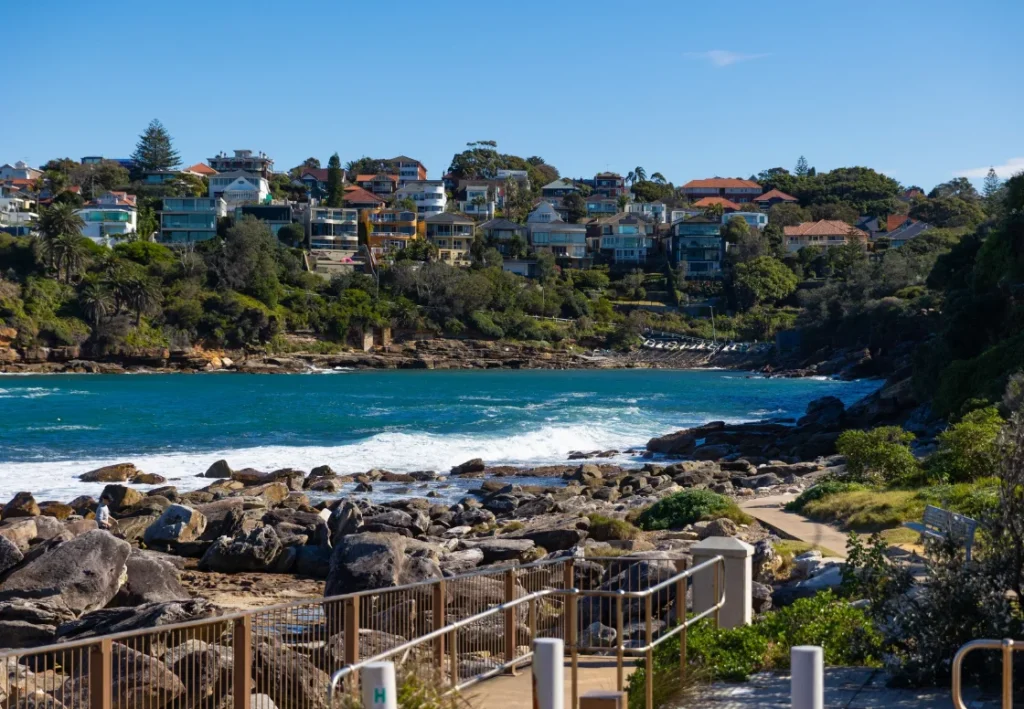
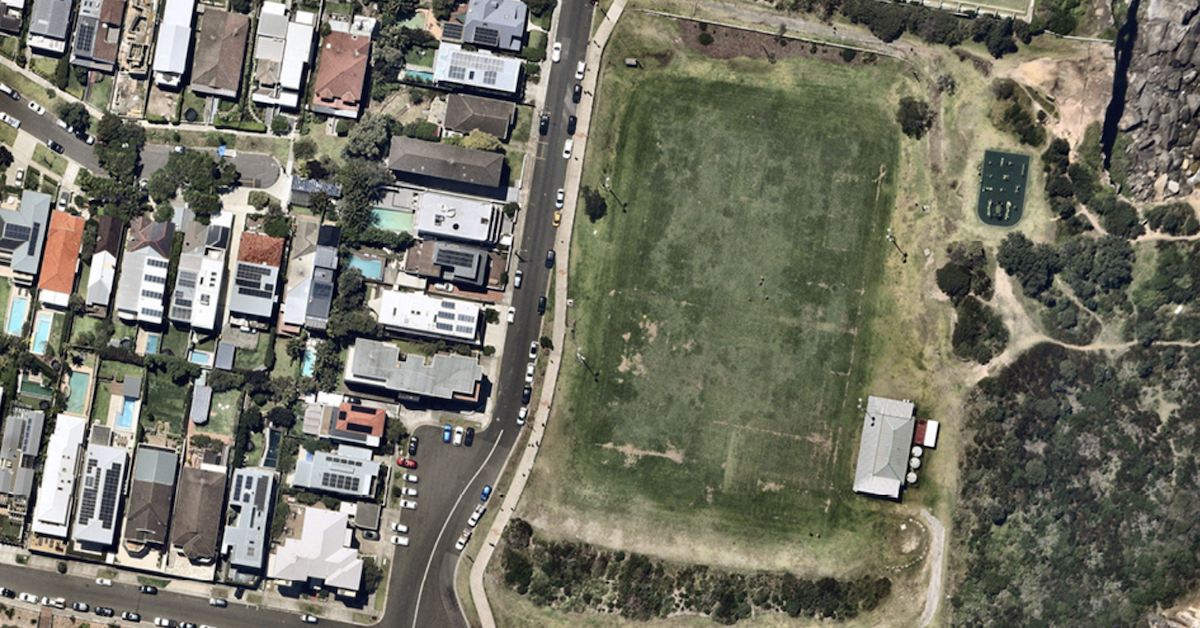
Clovelly’s ageing Burrows Park amenities building is a step closer to replacement, with a lower-profile design proposed for new changerooms, toilets, showers, storage and sheltered spectator space beside the coastal sports field. The building would remain on a similar footprint, limiting the amount of additional parkland taken up by the project. 


Randwick Council endorsed the concept design and funding strategy on 25 August 2026, with the designs now due to go on public exhibition. Plans include public toilets, an accessible toilet and shower, women’s and men’s changerooms with showers, a referee changeroom, kiosk, club storage and a sheltered spectator area. 

A lower profile by the coast

Burrows Park sits immediately north of Clovelly Beach, with the Eastern Beaches Coastal Walk running through the site alongside the sports field, outdoor gym, dog exercise area and walking tracks. Council’s planning documents describe the site as bounded by Ocean Street to the west and remnant vegetation and the ocean to the east.

The new building has been designed with a lower profile to protect ocean views, using robust materials and colours intended to recede into the coastal landscape. Earlier masterplan work also called for natural light and ventilation, reduced artificial light spill towards nearby bushland, accessible connections from Ocean Street, additional low-level planting and water reuse for irrigation and landscaping. 
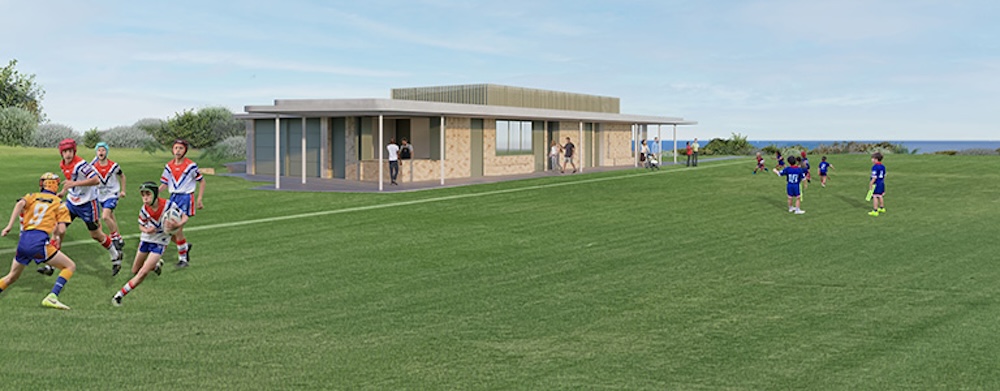
Photo Credit: RandwickCityCouncil

An old building and a small field

The existing amenities building has been at Burrows Park since the early 1960s and is described by Council as outdated, below current building standards and no longer adequate for the park’s many visitors. The field itself is also smaller than standard rugby league dimensions, forcing players aged 13 to 18 from clubs using Burrows Park to play matches at other grounds. 

Early consultation found strong support among sporting users for investigating better facilities and allowing older junior players to remain at Burrows Park. Feedback on the amenities building also identified the need for designated facilities for female players and better shelter, while other residents questioned whether improvements could attract heavier use of the site.

Residents raised parking, views and park use

Opposition centred less on replacing the ageing building than on the possible consequences of expanding the sports field. Submissions raised traffic and parking pressures, effects on vegetation and wildlife, loss of open recreational space, possible impacts on ocean views and concerns that enlargement could reduce space available around the off-leash dog area.

A later masterplan consultation in 2025 received 49 survey responses and eight separate email submissions. Council reported overall support for the amenities upgrade, although some respondents questioned its cost, while objections to the proposed field changes included parking, loss of space, community access and whether expansion was necessary. Thirty-six of the 49 survey responses supported the broader masterplan.

The adopted masterplan retains the off-leash dog area and requires protection of native flora and fauna, including remnant Eastern Suburbs Banksia Scrub. No off-street parking is included in the plan. 

Earlier estimate put Stage One at $4.3 million

Council’s 2025 cost planning put the Stage One amenities building at $4.334 million, rounded to a funding budget of $4.4 million. The estimate included contingencies, authority fees and anticipated escalation to February 2027, while $1.05 million had been allocated in Council’s capital works program for planning and documentation.

The August 2026 meeting summary confirms that a funding strategy has since been endorsed but does not publish a revised total construction cost. The $4.3 million figure therefore remains an earlier estimate rather than a confirmed final price for the building now being exhibited. 

Field expansion comes later

The larger sports-field works remain a separate Stage Two project. Council’s masterplan proposes slightly enlarging the field in all four directions, including about two metres towards Ocean Street and up to eight metres at the northern end, at an earlier estimated cost of $3.4 million. 


Stage Two has no immediate construction timetable and is due to proceed when funding becomes available. Stage One was previously scheduled to begin construction in 2027–28, although Council’s August 2026 meeting summary does not say whether that timetable has changed.

Published 23-Sept-2026

The Retirement Mistake That Is Easiest to Make Years Before You Retire

By Mark Taylor – Chartered Accountant, Certified Financial Planner and Founding Partner of Stirling Warton Taylor

Retirement is one of those things most of us know is coming but are quite happy to leave sitting somewhere in the distance.

Then the years move faster than expected. The mortgage is still there, the cost of living has gone up and suddenly the questions become much more immediate: When can I actually afford to retire? How much will I need? And will what I have accumulated last as long as I do?

There is good reason to be asking those questions earlier. Australians are living longer, which means retirement savings may need to support us for considerably longer than previous generations expected.

The latest Australian Bureau of Statistics figures put life expectancy at birth at 81.1 years for men and 85.1 years for women. Thirty years ago, the corresponding figures were around 75 and 81.

For someone hoping to retire in their 60s, that makes planning for 20 years or more without a regular salary a very real consideration.

And plenty of Australians aren’t quite sure when that retirement will begin. The latest ABS retirement data shows 806,000 people intend to retire within the next five years, including 294,000 within two years. Yet 40 per cent of people who intend to retire don’t know when they will actually leave the workforce.

The average intended retirement age is now 65.6.

Retirement by the numbers

Average intended retirement age
Australians intending to retire within the next five years
40%
People intending to retire who don’t yet know when they’ll leave the workforce
Approximate annual ASFA comfortable-retirement budget for a single homeowner aged 65–84
Approximate annual ASFA comfortable-retirement budget for a couple aged 65–84

So, how much is enough?

It is probably the retirement question I hear most often, and unfortunately there isn’t a magic number.

The Association of Superannuation Funds of Australia’s Retirement Standard currently estimates that a comfortable lifestyle for a homeowner aged 65 to 84 costs about $55,900 a year for a single person and $78,600 for a couple.

ASFA’s corresponding savings benchmark for homeowners retiring at 67 is around $630,000 for a single person and $730,000 for a couple. Those calculations assume retirees draw down their capital over time and receive some Age Pension support.

Those figures are useful as a reference point. They aren’t, however, a target that can simply be applied to everybody.

A person entering retirement with their home paid off is in a very different position from somebody still paying a mortgage or renting. Then there are all the other variables: travel, health, helping children or grandchildren, hobbies and, quite simply, what you expect retirement to look like.

There is no one-size-fits-all retirement strategy. The appropriate mix of superannuation, investments, income and growth assets will depend on the individual — their circumstances, goals, time horizon and tolerance for risk.

That is why I prefer to start with the life somebody wants to fund, rather than immediately reaching for a particular dollar figure.

Starting earlier gives you more room to move

This is where time becomes particularly valuable.

Thinking about retirement well before you get there can give you more opportunity to build superannuation progressively, reduce debt and consider how your investments and other assets fit together. There may also be legitimate tax concessions and strategies worth considering along the way.

None of this means putting today’s life on hold for a retirement that may still be decades away. Nor does it necessarily mean choosing between paying down the mortgage and saving for retirement. For many people, several financial priorities will be running at the same time.

There is another reason not to leave all the planning until the final few years: retirement doesn’t always arrive on schedule.

Among Australians surveyed by the ABS in 2024–25 who had retired, reaching retirement age or becoming eligible for superannuation was the most common reason for leaving their last job, at 33 per cent. But 13 per cent had stopped because of sickness, injury or disability, while another 6 per cent had been retrenched, dismissed or found there was no work available.

In other words, the date you expect to retire and the date you actually stop working aren’t necessarily the same thing.

Starting earlier gives you more time to adjust if circumstances — or your plans — change.

Inflation is easy to underestimate

One of the quieter risks is inflation because its effect tends to creep up on us.

Something that costs $100 today is unlikely to cost $100 in another 10 or 20 years. So while protecting savings matters, simply preserving the dollar value of capital does not necessarily preserve what that money will actually buy.

The changing ASFA benchmarks give some indication of that pressure. In 2026, ASFA lifted its comfortable-retirement lump-sum estimates for the first time in three years, taking the benchmark from $595,000 to $630,000 for a single homeowner and from $690,000 to $730,000 for a couple.

The other side of the equation matters too. Pursuing higher growth can mean accepting greater volatility, and that can become particularly important when someone has retired and is drawing an income from their investments.

This is why I don’t think retirement investing is usefully reduced to a simple choice between “income” and “growth”. The right balance depends on what the money needs to provide, when it will be needed and how much investment risk the individual is comfortable carrying.

The important thing is to do something

For a lot of people, superannuation, investments, tax and retirement income can feel complicated. Put enough choices in front of somebody and it becomes very easy to put the whole subject aside for another day.

You don’t need to solve retirement in one sitting. But doing nothing because you don’t know where to begin is still a decision — and the longer retirement planning is postponed, the less time there is to make adjustments.

Start with some fairly ordinary questions. When would I ideally like to stop working? What sort of lifestyle do I want then? What debts might I still have? What assets am I building now? And do I actually understand what my superannuation is likely to provide?

For a lot of people, an SMSF may also be worth considering as part of that conversation. SMSFs can provide greater control over investment choices and retirement strategies, but they also bring additional costs, responsibilities and compliance obligations and will not be appropriate for everyone. Professional advice can help determine whether an SMSF is suitable for an individual’s circumstances.

The answers will change over time. That’s fine. Starting early isn’t about predicting your future perfectly; it’s about having enough time to change course when you need to.

The first step doesn’t have to be a major financial decision. It can simply be finding out where you stand.

Disclaimer: This column is for general information only and does not take into account your individual objectives, financial situation or needs. You should consider your own circumstances and seek professional advice before making financial decisions.

Published 22-September-2026

Mark Taylor

About Mark Taylor

Mark Taylor is a founding partner of Stirling Warton Taylor and a Certified Financial Planner. He has more than 30 years’ experience as a tax agent and specialises in business services, taxation, superannuation and retirement strategies. Mark has also assisted Treasury and the Australian Taxation Office on superannuation policy.

Not sure where to start?

Stirling Warton Taylor (SWT) helps clients make sense of retirement planning, superannuation, taxation and investment decisions, with advice tailored to individual circumstances.

If you’re thinking about retirement but aren’t sure what your next step should be, you can provide some initial information to SWT and request further contact.

QR code to request contact from Stirling Warton Taylor
Scan the QR code to request a conversation with SWT or click here.

A SMSF may not be the right superannuation vehicle for you. Please seek financial advice.

Authorised to provide investment advice to wholesale investors. Representative No. 1283343.

Clovelly’s Mundarrah Towers: The Estate That Once Overlooked The Bay

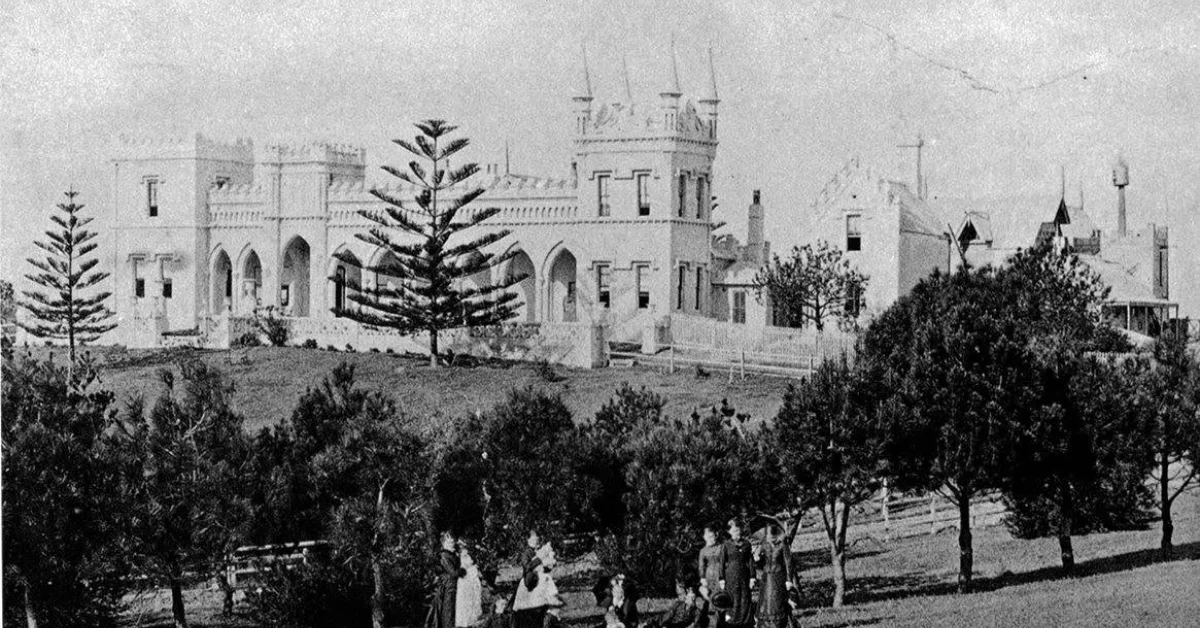
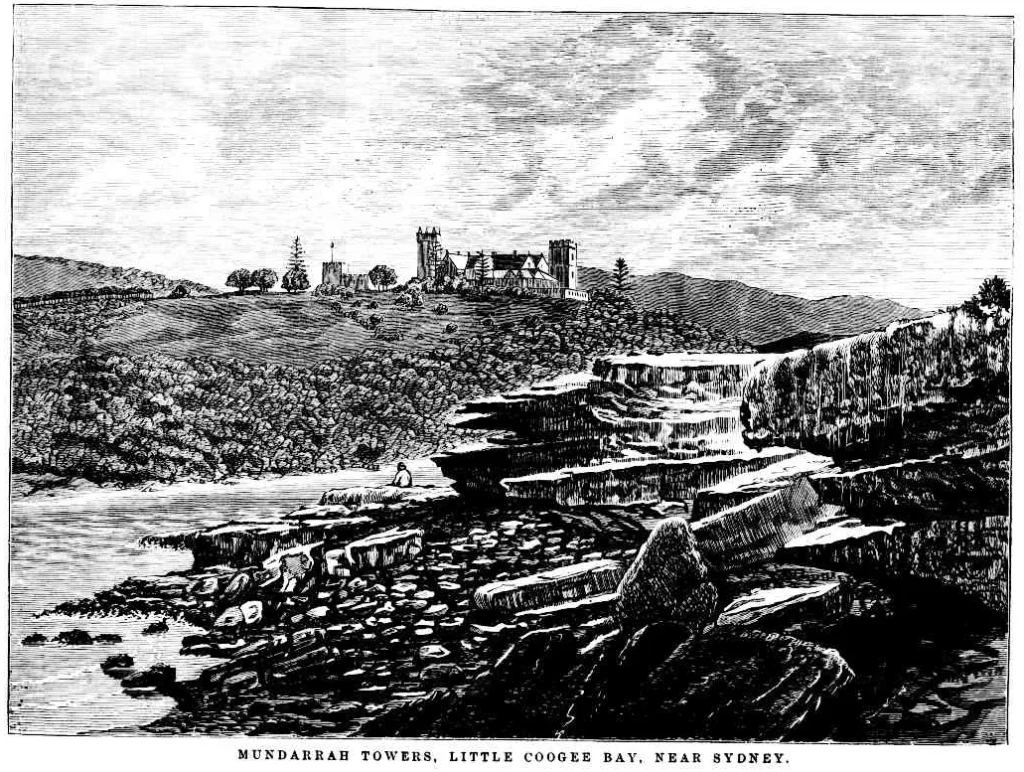
Mundarrah Towers once stood above Clovelly Bay on an estate that began with Dr Dickson’s earlier residence and later took on its castellated form under Samuel Bennett.


From Little Coogee To Mundarrah Towers

The property’s recorded European history stretches back to 1834, when William Charles Greville paid £40 for 20 acres of beachfront land at Little Coogee, as the area was then known.

Dr Dickson later built a residence called Rock Brook and developed elaborate grounds around the house. Historical descriptions of his work refer to extensive landscaping, including levelling, terracing and embankments.

The estate changed ownership several times. Dr Dickson sold it to John Campbell in 1860, when the house was renamed Aberburnie. Campbell sold the property two years later to George Renwick, who soon transferred it to Samuel Bennett, owner of the Australian Town and Country Journal.

Mundarrah Towers
Photo Credit: Trove

Bennett substantially enlarged the existing residence. His additions incorporated the earlier house and produced the castellated building remembered as Mundarrah Towers.

A nineteenth-century description recorded a cloistered frontage with embattled towers at either end and a frontage extending more than 100 feet. The property also featured a decorated façade, an enclosed northern lawn supported by a crenellated stone wall and verandahs along its sea-facing side.

The grounds surrounding the residence included grassy slopes, pine trees, retained bushland and running water leading towards the sheltered bay.

Racehorses Behind Mundarrah Towers

The Dickson period also included a distinctive connection with horse racing.

Miss Dickson used the flat headland behind the estate as an exercise ground for a stud of racehorses and personally supervised their training. Historical descriptions place several horses on the exposed coastal ground behind the residence.

Little Coogee Beach
Photo Credit: RandwickCityCouncil

While substantial work had already been carried out on the grounds under Dr Dickson, Bennett later made extensive changes to the house itself, incorporating the earlier structure into the larger Mundarrah Towers residence.

Clovelly Develops Around The Estate

The area surrounding Mundarrah Towers changed further during the early 20th century as subdivision accelerated.

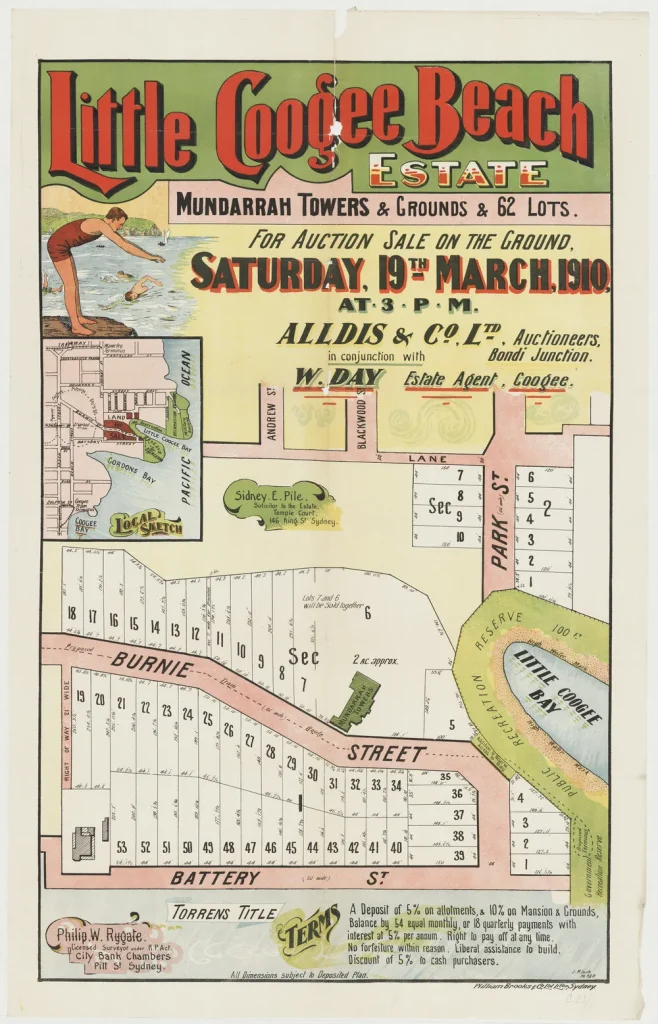
Clovelly’s subdivision was under way by 1909, while completion of the tram extension in 1913 contributed to the development of the former Little Coogee settlement. By the 1920s, residential growth was reshaping the suburb.

Clovelly Bay
Photo Credit: RandwickCityCouncil

Mundarrah Towers was demolished in 1926 as the former estate made way for suburban development.

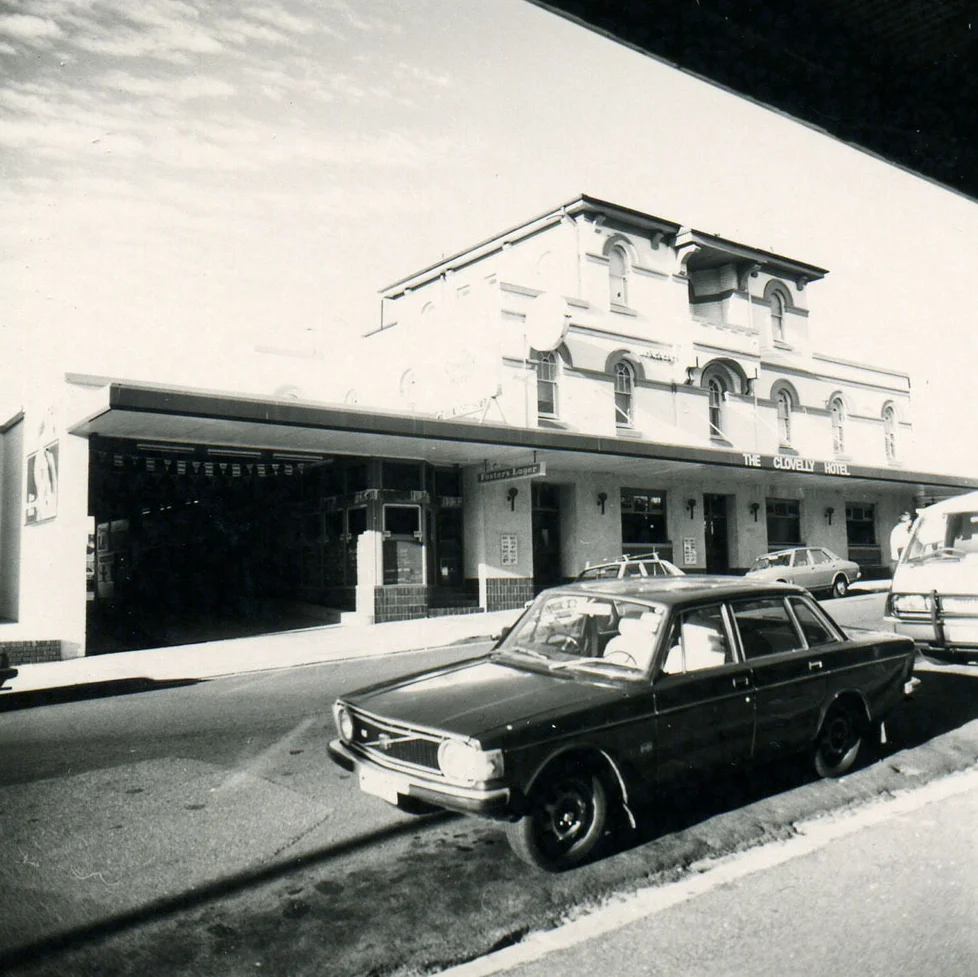
Some of the land once occupied by the Mundarrah Towers estate later became part of the site of the Clovelly Hotel.


The mansion itself is gone, but its name remains within the local streetscape. Mundarrah Street continues to commemorate the estate that once overlooked the western end of Clovelly Bay.

Published 11-September-2026

Clovelly Deceased Estate Draws Strong Inquiry Ahead of Auction

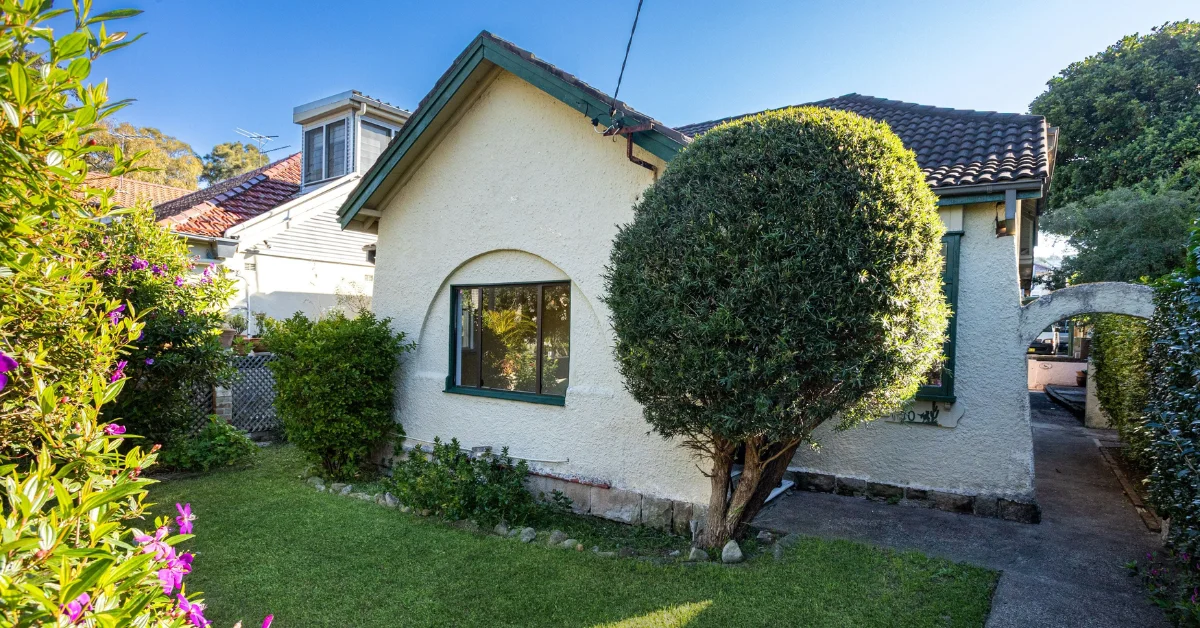
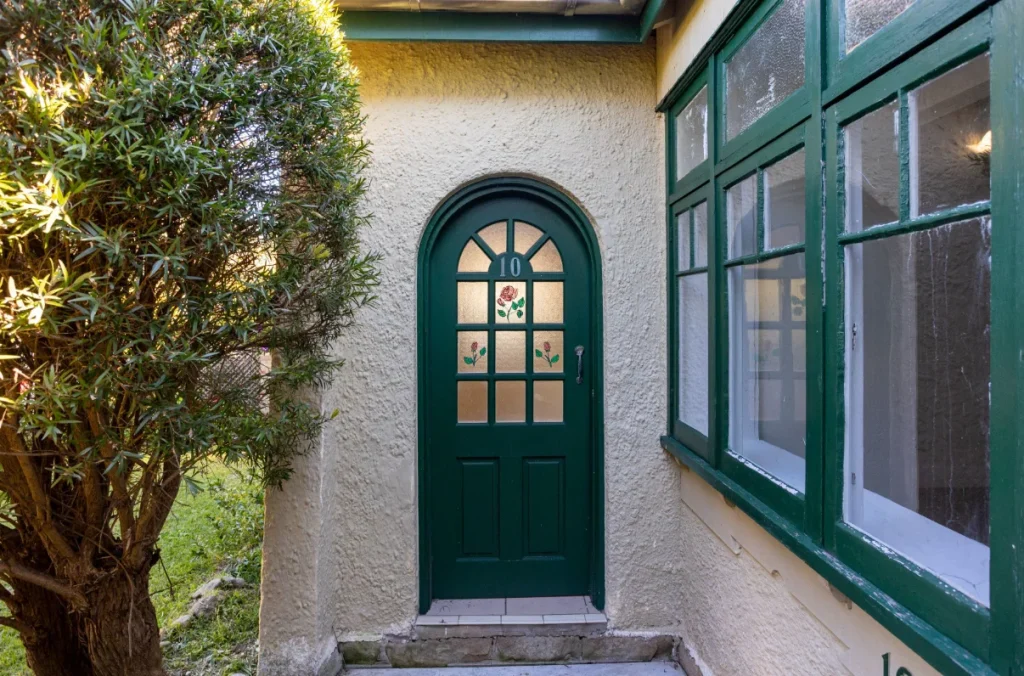
A Clovelly deceased estate that remained with the Bessant family for decades has drawn strong inquiry ahead of auction, with the three-bedroom bungalow at 10 Pacific Street carrying a $4.85 million price guide.


Jason Boon of Richardson & Wrench Elizabeth Bay/Potts Point reported receiving calls continuously over two days as interest built around the property. He attributed the response largely to the size and level nature of the 472sqm block.

Clovelly deceased estate
Photo Credit: Richardson & Wrench Elizabeth Bay/Potts Point

Family Ties Behind the Clovelly Deceased Estate

The late Judith and Reg Bessant bought the Pacific Street property for $145,000 in November 1985. They raised their three sons, Mitchell, Bradley and Craig, in the home, with all three involved in local surf and football clubs.

Judith Bessant died in May aged 88. The property is now being offered as a deceased estate after remaining with the family for decades.

Richardson & Wrench
Photo Credit: Richardson & Wrench Elizabeth Bay/Potts Point

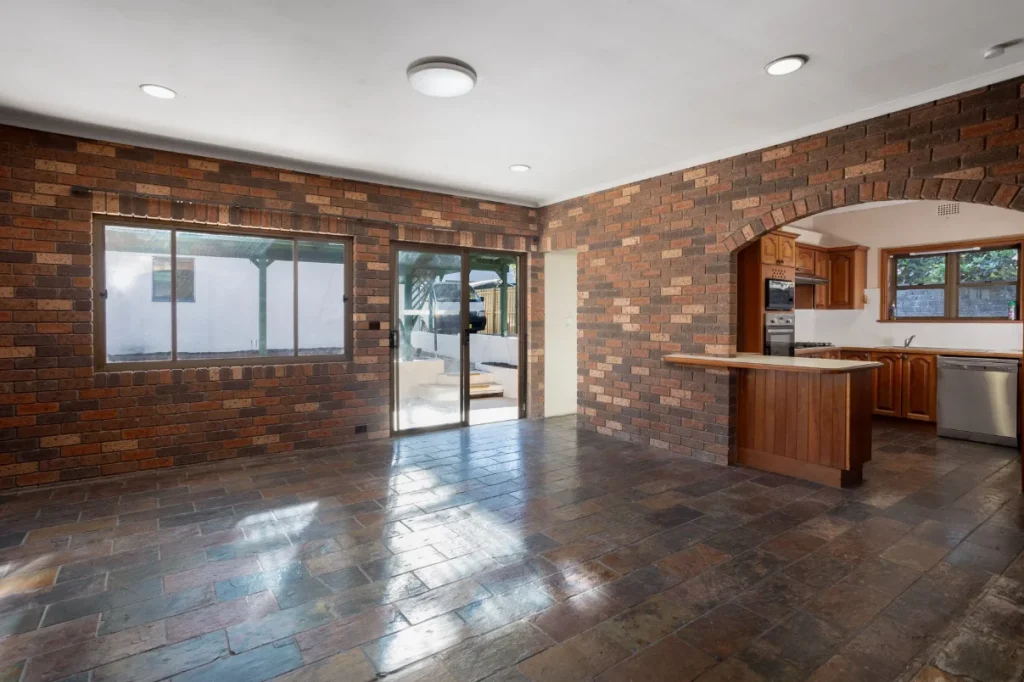
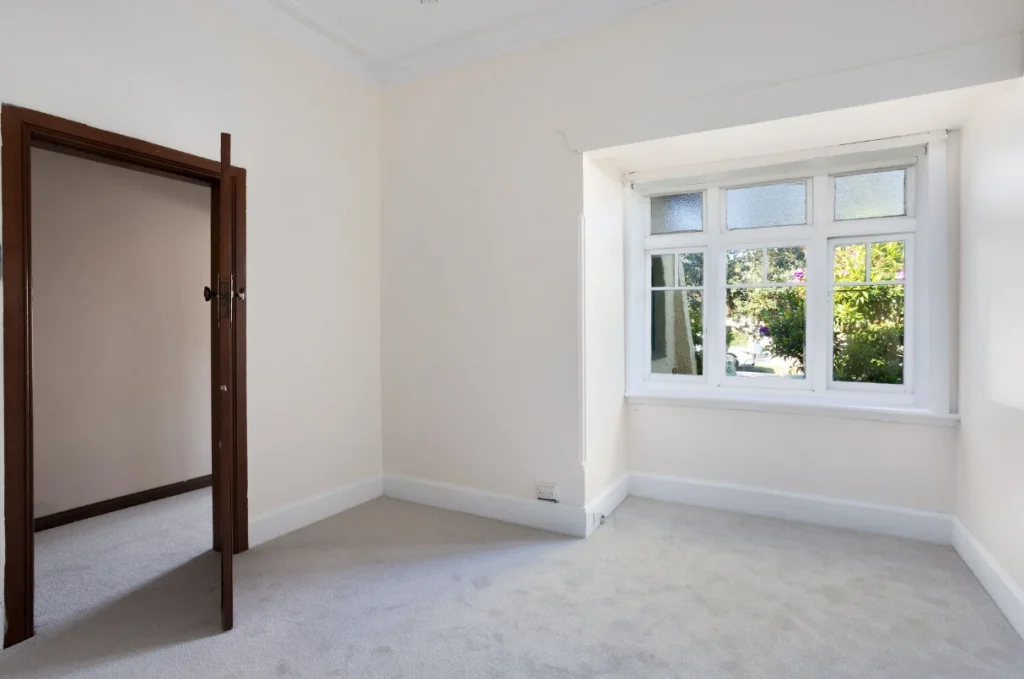
Built in the early 20th century, the freestanding bungalow retains period details and has three bedrooms, separate living and dining areas, a kitchen at the rear, a bathroom and a separate rear laundry with a toilet.

A paved courtyard and rear studio sit behind the main house. The studio has potential use as another bedroom, while the property also includes off-street parking and rear access from Pacific Lane. A grassed garden sits at the front of the home.

Sydney property
Photo Credit: Richardson & Wrench Elizabeth Bay/Potts Point

Level Block Near Clovelly Beach

The east-west block is within walking distance of Clovelly Beach and Burnie Park, with cafés, schools, transport and village shopping also nearby.

The existing residence could be remodelled, extended or given a second storey, subject to council approval. Full redevelopment of the site is another stated possibility, also subject to approval.

property auction
Photo Credit: Richardson & Wrench Elizabeth Bay/Potts Point

The home remains largely in its original form, with its existing layout and period features allowing for renovation. Another option is replacing it with a new residence, subject to the required approvals.

Richardson & Wrench Elizabeth Bay/Potts Point agents Jason Boon, Joss Reid and Geoff Cox are handling the sale.


An inspection is scheduled from 9.30am to 10am on Saturday, 26 September, with the on-site auction set for 1.30pm the same day.

Published 4-September-2026

New Aerial Patrols Bring Peace of Mind to Early Swimmers Near Clovelly

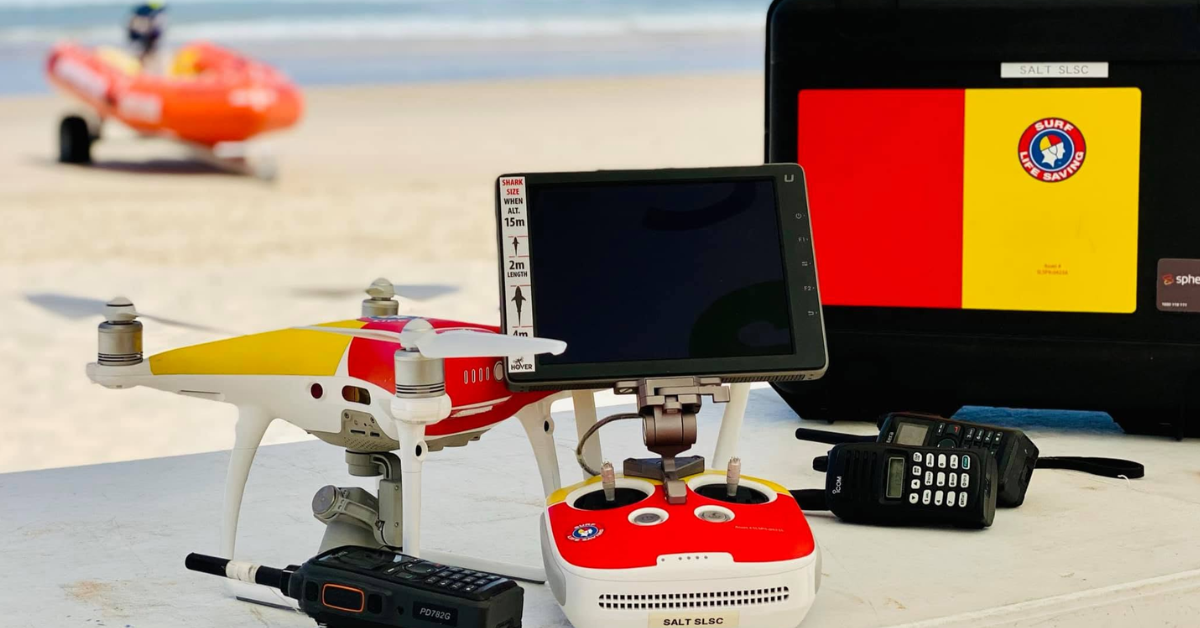
Drone operators scanning the coastal waters near Clovelly are providing early morning beachgoers with reassurance by keeping a watchful eye out for marine hazards from above.


Taking Flight Along the Coastline

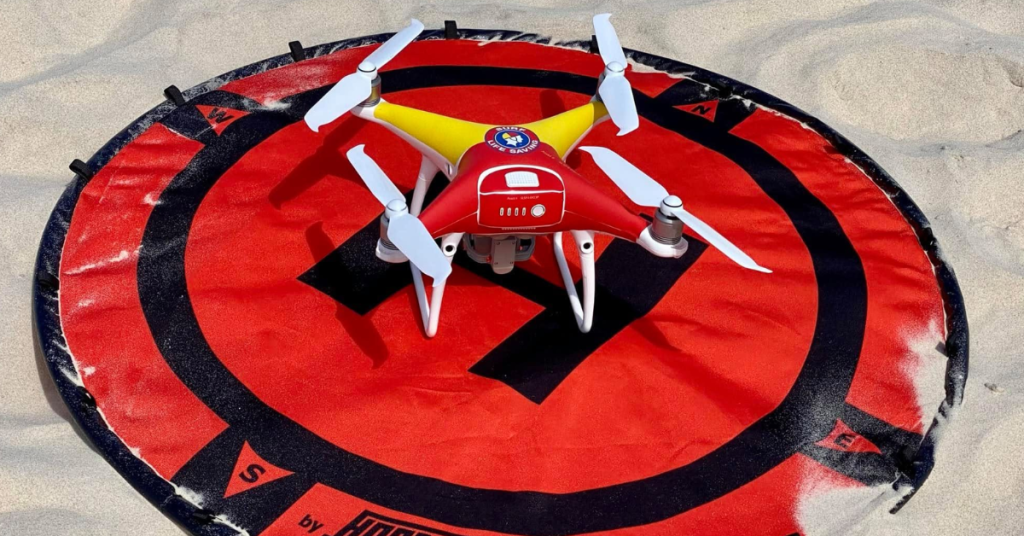
For young drone pilots like Taha Kafil-Hussain, mornings start early with the setup of equipment and checking wind directions. Operating under special permissions due to nearby airport flight paths, surveillance teams methodically sweep the bay in a chequerboard pattern. These routine checks help locals quickly gauge water visibility and conditions before stepping onto the sand.

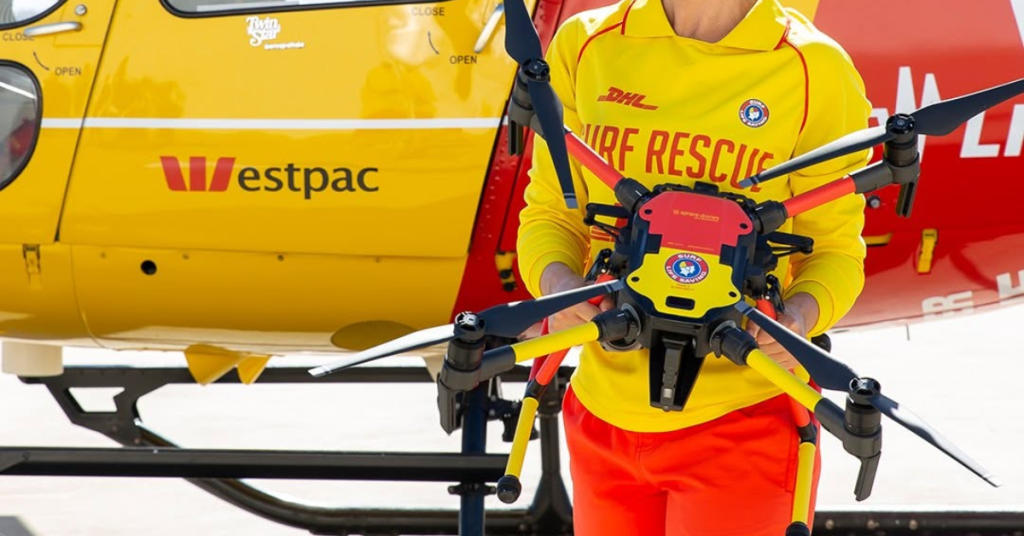
The aerial patrols are part of a broader state initiative funded by a multi-million-dollar investment package. Following high-profile coastal incidents, authorities rolled out dawn-to-dusk drone monitoring across dozens of ocean beaches to boost public confidence. Surf Life Saving New South Wales manages the fleet, completing thousands of flights and logging hundreds of sightings since the program expanded.

Balancing Technology and Reality

While marine experts widely regard aerial drones as some of the best modern tools for spotting marine life, they also emphasize the need for realistic expectations. 

Weather factors such as high winds or surface chop can occasionally obscure visibility, and increased monitoring naturally leads to more frequent discussions about sharks near popular swimming spots. Researchers remind communities to treat the ocean environment with the same respect as a wild bushland.


At the same time, discussions continue regarding broader management strategies. Policymakers and marine ecologists point out that protected species like white sharks travel vast migratory routes across the ocean, making targeted culls ineffective. Instead, authorities are focusing on technological upgrades, including upcoming trials of artificial intelligence systems designed to assist with automated detection during the warmer months.

Published Date 09-August-2026

First-Home Buyers Compete for $1.5 Million Clovelly Apartment

Two groups of first-home buyers competed for a two-bedroom Clovelly apartment near the beach before local buyers secured the property for $1.5 million following a private post-auction negotiation.


More than a dozen people gathered in the living room at 3/377B Clovelly Road for the Saturday auction, where a buyer’s agent represented local first-home buyers against another first-home buyer couple.

The buyer’s agent opened bidding at $1.41 million, which was $10,000 above the apartment’s $1.4 million guide. The other couple followed with a further $10,000 bid.

Photo Credit: Belle Property

Clovelly Apartment Passes In At Auction

Several more bids followed in amounts of $3000, $5000 and $8000. The buyer’s agent held the lead at $1.458 million when the competing bidders paused to confer.

The agent then raised the offer to $1.46 million before four further bids were made. Bidding eventually stalled at $1.478 million, with the buyer’s agent still holding the highest offer.

The other first-home buyers then dropped out and the apartment was passed in.

A short negotiation followed in private. The buyer’s agent made another offer on behalf of the local purchasers, and the property sold for $1.5 million, matching the vendor’s reserve.

 first-home buyers
Photo Credit: Belle Property

Apartment Sits 200 Metres From Clovelly Beach

The two-bedroom, one-bathroom apartment is about 200 metres from Clovelly Beach and forms part of a red-brick 1960s walk-up containing six apartments.

The property has a north-facing position and a north-east-facing balcony. It also includes a lock-up garage, parquetry flooring, double-glazed windows and an electric kitchen with cupboard and storage space.

The apartment had been freshly painted and fitted with new carpet. Its original bathroom includes a separate bath and shower, while shared laundry facilities are available on each level of the building.

Clovelly apartment
Photo Credit: Belle Property

The Clovelly Road property is close to cafés, village shops, buses and the coastal walk. A pub is next door and a cafe is across the street.

Belle Property Randwick agents Nick Lennan and Emilee Tayyara handled the property, while Jake Moore of Cooley conducted the auction.

Lennan said hesitation remained among some buyers, particularly first-home buyers, although he considered that less evident in Sydney’s eastern beaches suburbs.


The Clovelly apartment had been marketed with a $1.4 million guide before passing in at $1.478 million and selling shortly afterwards for its $1.5 million reserve.

Published 2-September-2026
6 of the Best Restaurants In or Around Clovelly

Clovelly Road doesn’t shout about itself, but ask anyone who lives around here and they’ll tell you it’s one of the east’s most underrated strips for a feed. Tucked between the beach and Randwick, this stretch has quietly built up a mix of long-running local institutions and newer openings that have locals lining up on weekends.


We’ve pulled together six of the best restaurants and cafes in and around Clovelly — from a wagyu specialist locals are still talking about years after opening, to the bakery doing the beef bourguignon pie everyone’s obsessed with. This isn’t a definitive ranking, just a solid starting point based on what’s genuinely popular with locals and consistently well reviewed on Google.


1. Wagyuto Clovelly

⭐ 4.8/5 (189 Google reviews)

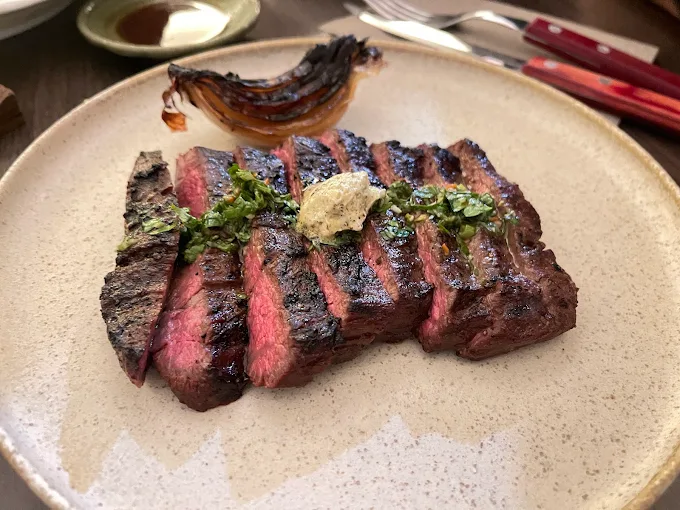
If you’re after something a bit special, this is the one locals keep pointing visitors towards. Wagyuto is a modern Japanese restaurant built around wagyu and charcoal cooking, with a menu that moves confidently between delicate small plates and heartier grilled mains. Reviewers consistently rave about the warmth of the service as much as the food — more than one describes it as their go-to for anniversaries and special occasions, with dishes “cooked to perfection” and generous portions to match.

Try: Teriyaki Chicken, Slow Cooked and Charred Octopus, Tuna Tartare, Sticky Duck, Double Prawn Roll

📍 Address: 309 Clovelly Rd, Clovelly NSW 2031

🗺️ View on Google Maps →

Price guide: $60–80 per person · Bookings via OpenTable or (02) 8068 2182


2. Meet me at Clovelly

⭐ 4.5/5 (138 Google reviews)

A firm favourite for a beachside brunch, Meet me at Clovelly has built a loyal following on friendly service and a genuinely relaxed vibe. It’s the kind of place where regulars know the staff by name, and reviewers regularly single out the coffee and the acai bowls as reasons to keep coming back. Just be aware that, like any popular local spot, experiences can vary depending on how busy the weekend rush gets.

Try: Brekkie Burger, Avo Smash, Biscoff Bliss Milkshake

📍 Address: 344 Clovelly Rd, Clovelly NSW 2031

🗺️ View on Google Maps →

Price guide: $20–40 per person · (02) 8593 4171


3. Clodeli

⭐ 4.4/5 (247 Google reviews)

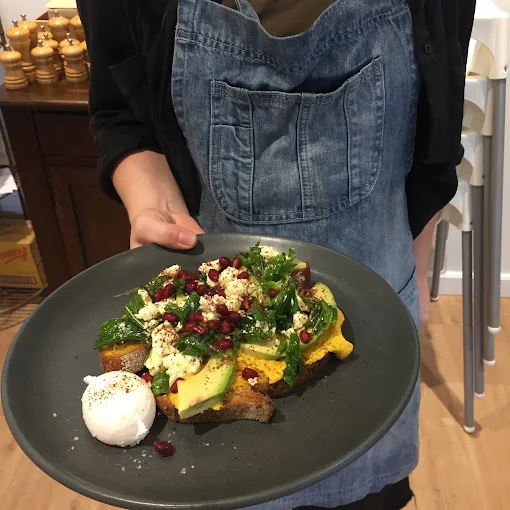
A light-filled, streetside deli-café that’s become a go-to for a quick breakfast or light lunch without any fuss. The focus here is on quality ingredients done simply — think avocado toast, salmon smash and daily specials that regulars say are “always really yum”. A handful of reviewers note portions can run small for the price, but the food quality and service consistently get a tick.

Try: Avocado Toast, Salmon Smash, Bacon and Egg Roll Avo, Vegan Bowl

📍 Address: Shop 1/210 Clovelly Rd, Randwick NSW 2031

🗺️ View on Google Maps →

Price guide: $20–40 per person


4. Madame & Yves

⭐ 4.8/5 (308 Google reviews)

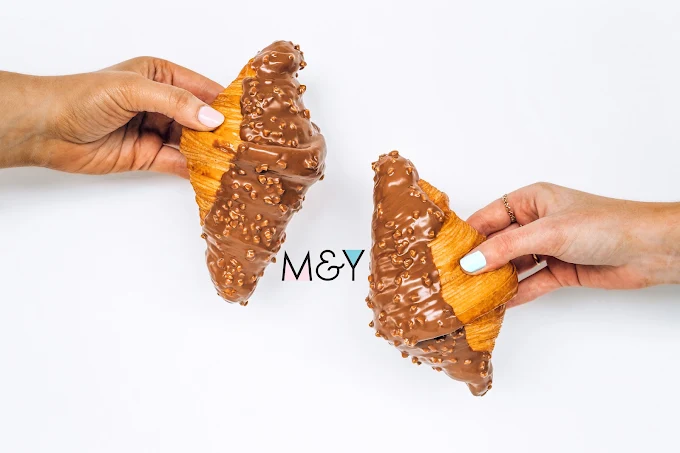
This French-style patisserie and boulangerie has quickly become a local obsession, and it’s easy to see why. The cabinet is a genuine threat to any diet — eclairs, croissants and tarts sit alongside savoury options like the now-famous beef bourguignon pie, which one reviewer described as “simply superb”, with pastry that’s light and crisp and needs nothing more than the gravy it comes with.

Try: Beef Bourguignon Pie, Chocolate Valrhona Eclair, Almond Chocolate Croissant, Ham & Cheese Croissant

📍 Address: 343–345 Clovelly Rd, Clovelly NSW 2031

🗺️ View on Google Maps →

Price guide: $1–20 per person · (02) 7900 8498


5. Tuga x Village

⭐ 4.4/5 (327 Google reviews)

Bringing a Portuguese-leaning twist to the classic Clovelly brunch scene, Tuga x Village has built a reputation for flavourful, slightly unexpected dishes alongside the usual brunch staples. Reviewers regularly call out the flavour on offer here — from the Portuguese steak sandwich to the Acorda breakfast soup — as well as the friendly service and relaxed, pleasant atmosphere.

Try: Village Bacon & Egg Roll, Portuguese Tart, Abacate Torricado, Grande Breakfast Vegetarian

📍 Address: Shop 1/231 Clovelly Rd, Clovelly NSW 2031

🗺️ View on Google Maps →

Price guide: $20–40 per person


6. The Angry Gnome

⭐ 4.4/5 (481 Google reviews)

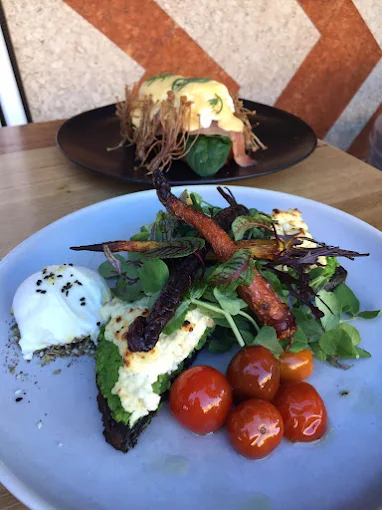
One of the strip’s busiest and most reviewed cafes, The Angry Gnome has built a strong following on generous portions and an all-day brunch menu that covers everything from eggs benedict to burgers. Most reviewers rate the food and service highly, with the eggs benedict and berry bircher regularly singled out as favourites, though the occasional review flags inconsistent coffee — worth noting for the purists.

Try: Hangry Eggs Benedict, Wild Berry Bircher, Gangster Reuben Sandwich, Crab and Prawn Risotto

📍 Address: 353/355 Clovelly Rd, Clovelly NSW 2031

🗺️ View on Google Maps →

Price guide: $20–40 per person · Bookings via Resos or (02) 9665 2342


That’s our pick of six standout spots in and around Clovelly — proof that this stretch of coastline punches well above its weight when it comes to food. Got a favourite we’ve missed? Let us know in the comments, or drop us a line — we’re always keen to hear where locals are eating.

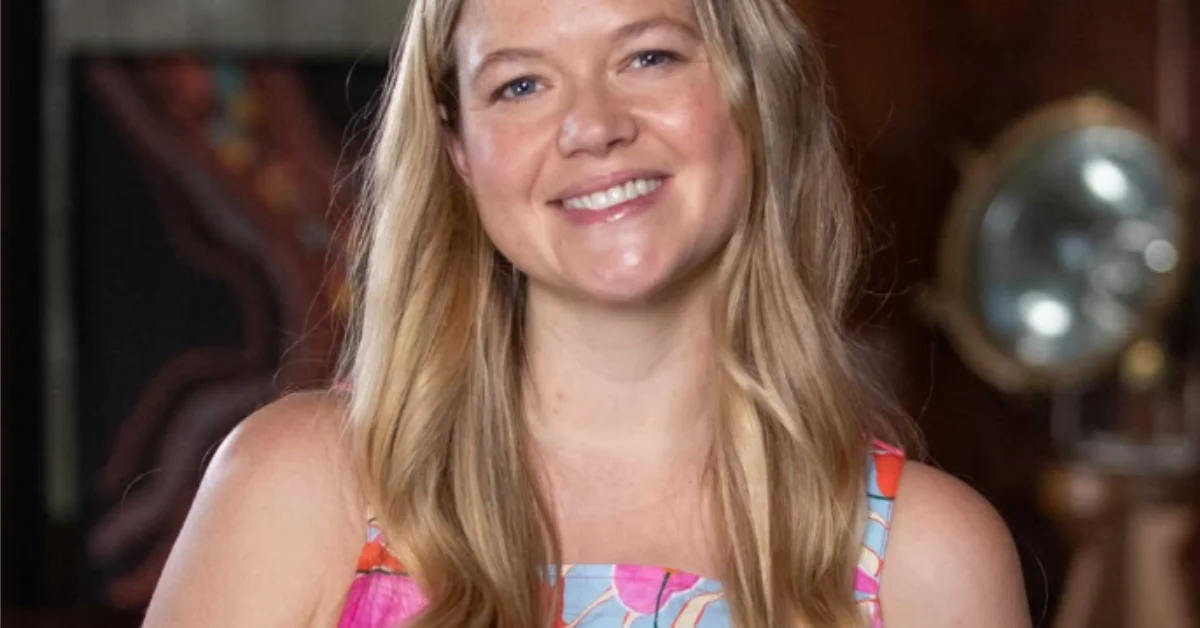
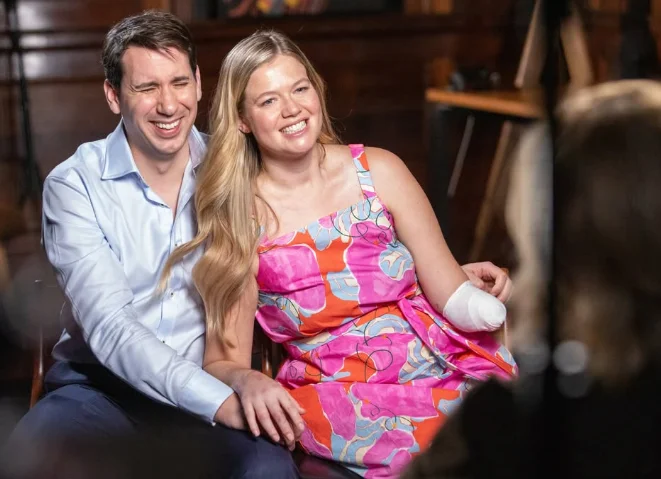
For Clovelly, Leah Stewart’s Recovery Story Begins At Nearby Coogee

For Clovelly locals, Leah Stewart’s first detailed account of surviving a shark attack at nearby Coogee Beach brings a personal story close to home, shaped by her determination to return to her daughter and the people who helped keep her alive.


The attack happened at Coogee Beach on 13 June, placing the incident at a neighbouring beach familiar to people living along Sydney’s eastern suburbs coastline.

For Stewart, what began as a regular morning swim became the start of months of surgery, rehabilitation and adjustment. Her decision to now tell her own account has shifted attention towards what followed the attack as much as what happened in the water.

Leah Stewart
Photo Credit: Leah Stewart/Instagram

A Story Close To Clovelly Locals

Stewart had been swimming near shore and between the flags when another swimmer’s scream alerted her to a shark nearby.

The great white, estimated at about four metres long, came to within about 30 centimetres of her face. Stewart, who is right-handed, decided to strike it with her left arm.

The shark severely injured that arm, which was later amputated. It also tore muscle from her left thigh and caused serious nerve and tendon damage to her right hand.

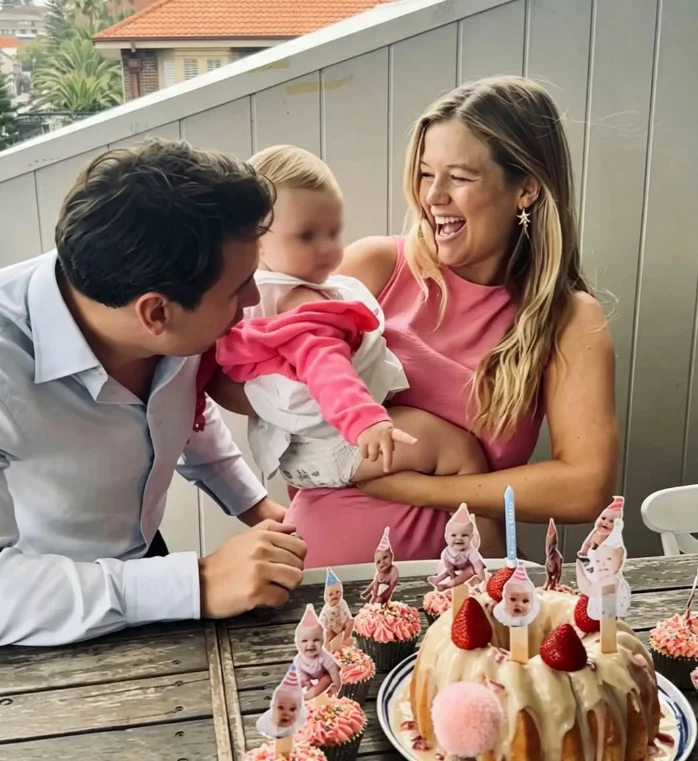
When the shark seized her leg and pulled her underwater, Stewart thought of her young daughter August. The prospect of her daughter growing up without her became the reason she kept fighting, repeatedly striking the shark before it released her.

shark attack
Photo Credit: Leah Stewart/Instagram

The People Waiting On The Shore

What happened next depended on people who were at or near Coogee Beach that morning.

World champion paddleboarder Charlie Verco went into the water to help Stewart, while Ben Heenan, then president of Coogee Surf Life Saving Club, responded with a board.

Heenan had been swimming with his partner, doctor Kassandra McGregor, who called Triple Zero. Trauma specialist Dr Ian Ferguson was also nearby and joined the emergency response once Stewart was brought ashore.

Her blood loss was so severe that a vein could not be found. Ferguson accessed the bone marrow in both shoulders so fluids and later blood could be administered. Police officers at the beach also assisted.

Stewart has since publicly credited Verco and Heenan with helping her reach shore and has repeatedly acknowledged the wider group whose actions helped keep her alive.

surf lifesaving
Photo Credit: Leah Stewart/Instagram

Recovery Became A Community Effort

The support did not end when Stewart reached hospital.

She underwent 11 operations, including skin grafts for the wound to her thigh, and spent about 10 days in a coma before beginning rehabilitation.

Since waking, she has worked on walking again, improving the use of her injured right hand and relearning how to write.

Practical help also arrived from outside the hospital. Mothers provided baby essentials, friends prepared meals, and others sent flowers, photographs, care packages and messages.

Thousands of people donated to and shared a GoFundMe campaign supporting Stewart and her family.

She later met some of the people involved in saving her again at Maroubra Surf Life Saving Club, this time away from the emergency in which they had first encountered one another.

community support
Photo Credit: Leah Stewart/Instagram

Coogee Remains Part Of The Recovery

For Clovelly locals, the story remains rooted just along the coast at Coogee, where swimming had previously been part of Stewart’s regular routine and a way for her to relax.

She has since returned to Coogee Beach but was not ready to enter the water again when discussing her recovery. She has left open the possibility of swimming there again in the future.

Stewart has also described finally giving her own account of the attack as part of her healing. By the time she woke from her coma, what had happened was already widely known, while her own version remained untold.


Her rehabilitation is continuing, with Stewart placing much of her attention on her daughter, the rescuers who reached her that morning and the wider network that helped her family afterwards. She has also expressed a desire to pass forward the support she received as her recovery continues.

Published 1-September-2026

Clovelly SLSC Volunteer Dominic Winkle Recognised With NSW Honour

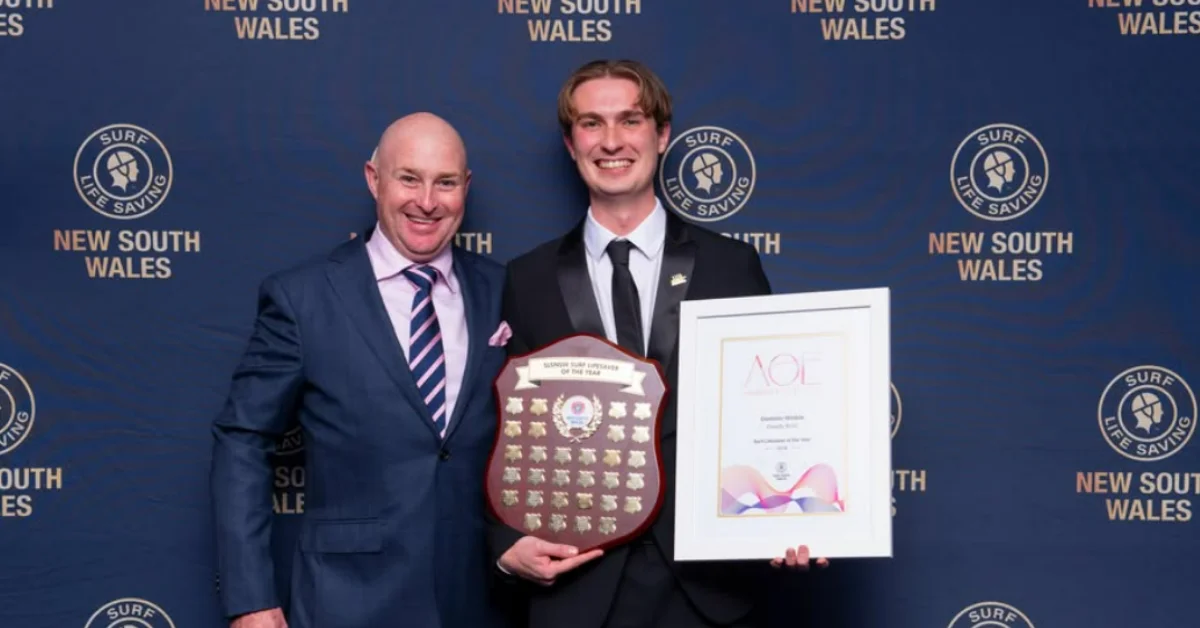
Dominic Winkle’s work across leadership, training and patrol support at Clovelly SLSC has earned state recognition, with the Club Captain named the 2026 NSW Surf Life Saver of the Year.


Supporting Volunteers at Clovelly SLSC

Winkle serves as Club Captain as well as a trainer and assessor, with his contribution extending across several parts of the club’s lifesaving work.

He has been recognised for improving communication between patrol members and strengthening the management of lifesaving equipment. His work has also created opportunities for fellow members to build experience at different beaches and in varying conditions.

Surf Life Saving NSW credited his supportive and adaptable leadership with helping develop lifesaving capability at club, branch and state levels.

The roles place Winkle across both the operational and training sides of Clovelly SLSC, with his recognition centred on the work carried out alongside other volunteers.

A First for the Clovelly Club

Winkle received the award at the 2026 Surf Life Saving NSW Awards of Excellence in Darling Harbour on 22 August.

More than 650 volunteer lifesavers and supporters attended the event, with members from all 11 NSW branches represented across categories spanning youth, membership, education, lifesaving and surf sports.

For Clovelly SLSC, the result marked the first time one of its members had been named NSW Surf Life Saver of the Year.

It also made Winkle the club’s third NSW Awards of Excellence winner overall. Imogen Barham was named Youth Volunteer of the Year in 2021, while Clovelly SLSC received Club of the Year in 2010.

Winkle was among five Sydney Branch winners recognised during the evening, and the Surf Life Saver of the Year honour was the final award announced after 21 other category winners.

Recognition Continues Beyond NSW

The NSW Awards of Excellence recognise contributions made by Surf Life Saving members, clubs and branches across the organisation’s core activities.

Surf Life Saver of the Year is among the categories recognised at both state and national level.


Following his NSW win, Winkle has been nominated for the corresponding category at the Surf Life Saving Australia Awards of Excellence, extending the recognition of his volunteer work at Clovelly SLSC to the national awards stage.

Published 25-August-2026

Waverley Cemetery: A Proposed Place To Remember Samantha Knight

For 40 years, Samantha Knight’s family has had no grave to visit. Waverley Cemetery near Clovelly is now being considered for a memorial to the nine-year-old whose remains have never been found.


A plaque at the cemetery’s Ivy Wall is among the options being examined following the 40th anniversary of Samantha’s disappearance.

The proposal has the support of her mother, Tess Knight, and former school friends, with Samantha’s family to be consulted as plans are considered.

A Place Where There Has Been No Grave

Samantha disappeared from Bondi after school on 19 August 1986, aged nine. Extensive searches followed, but her body was never recovered.

For her family, that has also meant four decades without a burial place or gravesite associated with Samantha.

The absence of those usual places and rituals is part of what The Missed Foundation describes as ambiguous loss.

Founding chief executive Loren O’Keefe has explained that families of long-term missing people can experience grief differently when there is no certainty, funeral, burial or grave to visit.

Some families in those circumstances find comfort in memorial plaques, which can provide a physical place connected to the person who remains missing.

That gives the proposed Waverley Cemetery plaque a different role from a conventional gravesite. If it proceeds, it could provide Samantha’s family and those who knew her with a dedicated place bearing her memory despite her remains never having been found.

Waverley Cemetery
Photo Credit: Google Maps

Four Decades Since Samantha Disappeared

Samantha was last seen at about 4.15pm on 19 August 1986.

Her disappearance drew an extensive search and affected the wider Waverley community, where residents came together hoping the child would be found and returned safely to her family.

Michael Guider later pleaded guilty to Samantha’s manslaughter and was sentenced in 2002.

A judge found that Guider had taken Samantha to a location and given her sleeping medication, most probably intending to take indecent photographs. She stopped breathing and he disposed of her body.

Guider received a 17-year sentence, having already been jailed for sex offences against 13 children. Samantha’s remains were never recovered.

He died at Prince of Wales Hospital in Randwick on 7 September 2024, aged 73.

Ivy Wall Among Memorial Options

The 40th anniversary has now renewed consideration of how Samantha can be remembered without a gravesite.

Waverley Council has committed to investigating a memorial in consultation with her family, with the Ivy Wall at Waverley Cemetery among the locations being considered.

No memorial has yet been finalised.


For Samantha’s family, the proposal could provide something that has been absent since 1986: a dedicated place to visit in her memory.

Published 25-August-2026