Could Clovelly Cafés One Day Brew Espresso Without Hot Water?


Clovelly’s local café scene could one day benefit from a coffee-making breakthrough developed just a few kilometres away at the University of New South Wales (UNSW).


Researchers at UNSW in nearby Kensington have developed a new way to make espresso-strength coffee using room-temperature water and ultrasonic sound waves instead of the high heat used in traditional espresso machines. Early tests suggest the method could cut brewing energy by as much as 75 per cent while still producing a full-flavoured cup.

Although the technology is still in the research stage, the discovery could have long-term benefits for cafés looking to reduce energy use without sacrificing quality.

A new way to brew espresso without heating water

Making espresso usually requires water heated to around 90 degrees Celsius before it is forced through finely ground coffee under high pressure.

The UNSW research team explored a different idea. Instead of relying on heat, they used high-frequency sound waves to help extract flavour compounds from coffee grounds while using room-temperature water.

The sound waves create tiny bubbles in the water. As those bubbles rapidly form and collapse, they release small bursts of energy that speed up the extraction process. The researchers found this method produced espresso-strength coffee in about three minutes.

The study also found that the process used significantly less energy than conventional espresso brewing because it removed the need to heat water.

A nearby innovation that could interest Clovelly’s cafés

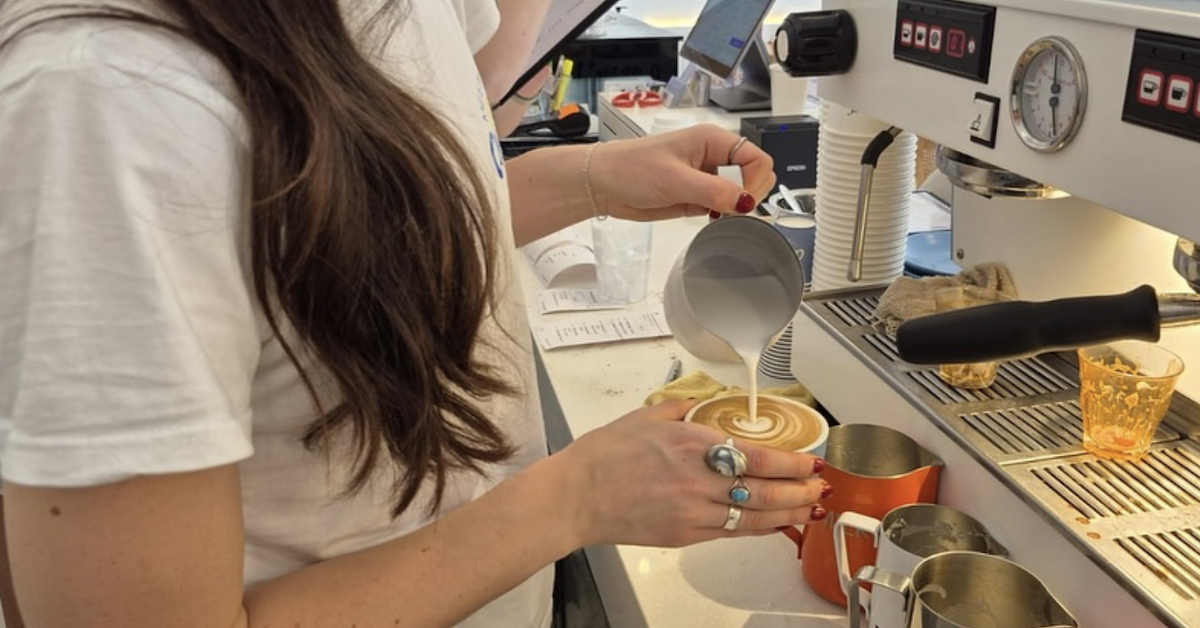
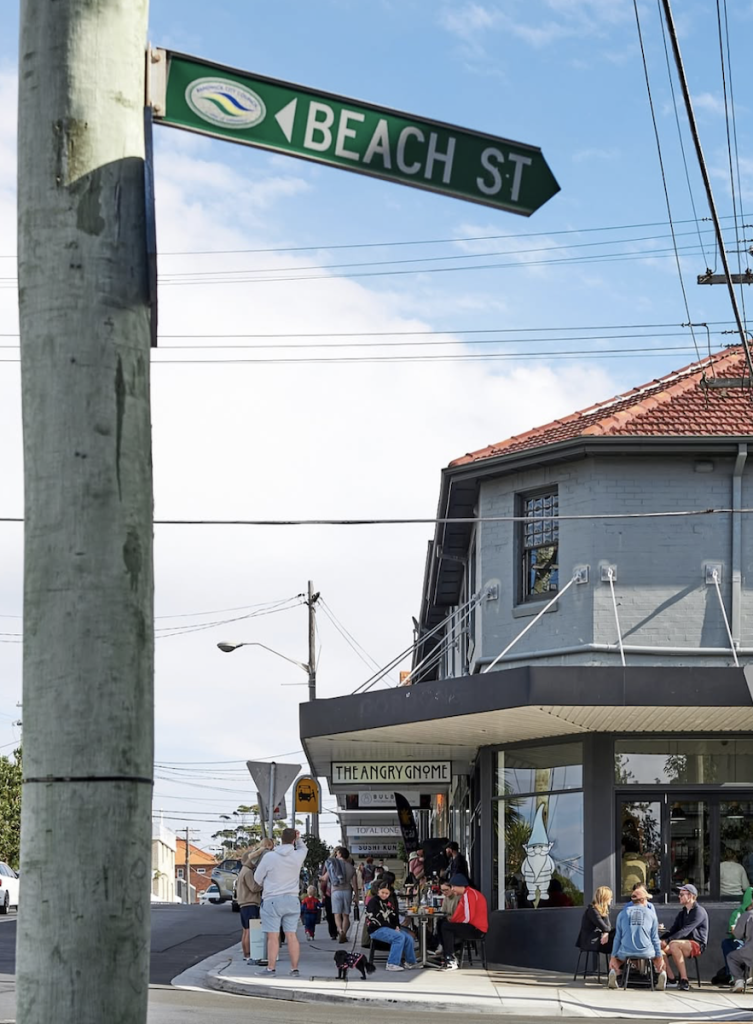
Coffee is a visible part of daily life in Clovelly. Several cafés and eateries operate along Clovelly Road and near the beachfront, serving residents, beachgoers and walkers using the Bondi to Coogee coastal route.

Local venues, including Sea Salt Clovelly, reflect the suburb’s strong connection between coffee, food and beach life.

For cafés, energy use is a regular operating cost. Many businesses rely on espresso machines throughout trading hours to keep up with customer demand. Any future technology that reduces electricity use may attract interest across parts of the hospitality industry.

No local café has been linked to the UNSW project, and the technology is not yet being marketed as a standard café machine. However, the research highlights one possible direction for more energy-efficient coffee making in the years ahead.
Researchers also wanted to protect the taste

Reducing energy use was only one part of the project. The researchers also wanted to find out whether coffee made with room-temperature water would still appeal to regular coffee drinkers.

According to the research team, blind taste testing showed participants found the ultrasonic coffee comparable to traditionally brewed espresso in several important qualities. The researchers also examined how the process extracted flavour, aroma, oils and caffeine from the coffee grounds.

Those findings suggest reducing heat does not necessarily mean sacrificing flavour, although the researchers said more work is needed before the technology reaches commercial use.


The research remains at an early stage, and customers are unlikely to see ultrasonic espresso machines appear in cafés anytime soon. More testing and product development will be needed before the technology can be used in commercial settings.

Published 7-July-2026
Clovelly Keeps Free Beach Parking After New Parking Scheme Scrapped

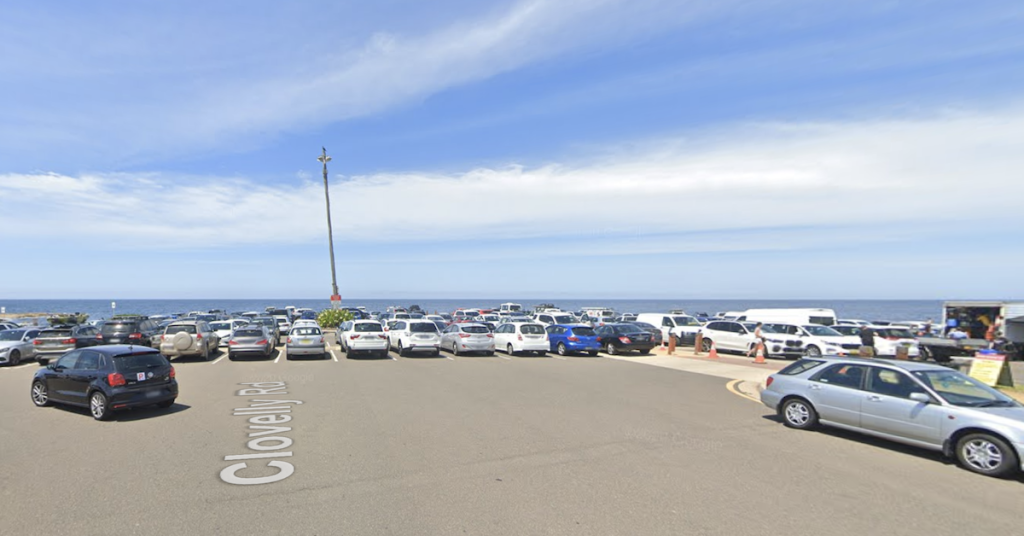
Clovelly residents and visitors will continue to enjoy free beach parking after the proposed visitor parking scheme across several Randwick beach areas did not go ahead, ending months of debate over beach access and parking.


The decision followed a strong community response to the proposal, which drew more than 12,000 pieces of feedback from residents, business owners and community groups across the Randwick local government area. Clovelly was among the beachside suburbs that would have been affected by the changes.

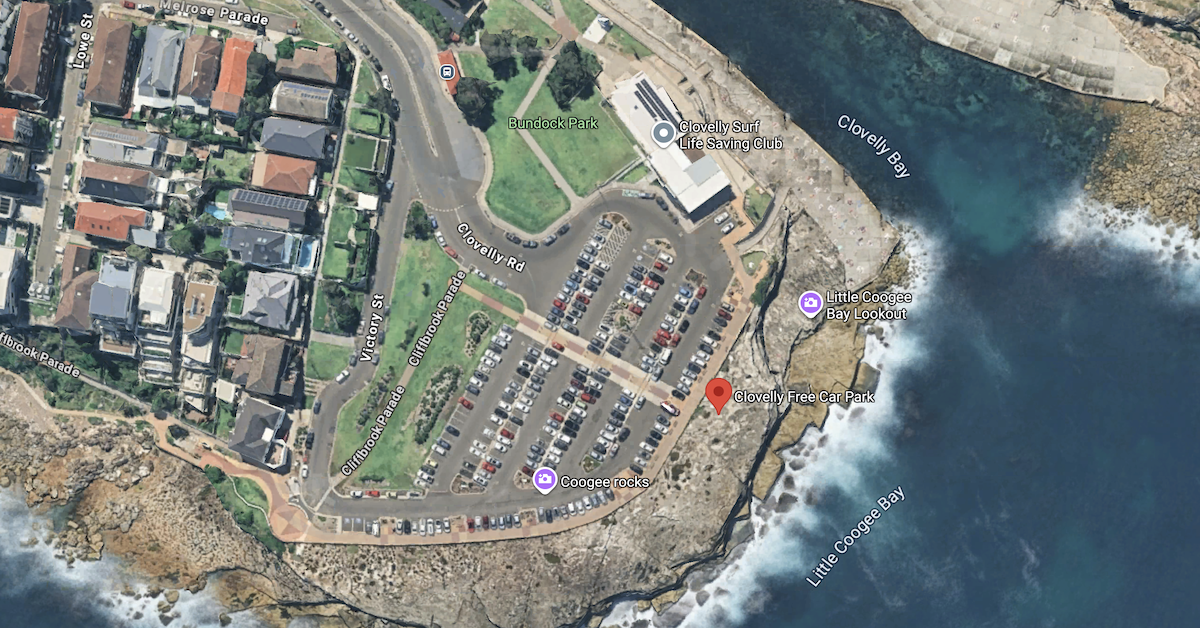
Had the plan gone ahead, Clovelly would have been one of the beaches most affected. Council had proposed introducing parking meters in 250 spaces, making it the third-largest paid parking area under the revised scheme after Maroubra and La Perouse.

Clovelly Was Set to See One of the Biggest Changes

The revised proposal would have introduced paid parking in council-managed beach parking areas at Clovelly. Visitors would have paid $5.70 an hour during summer and $4.70 an hour during winter, with charges applying daily from 8:00 a.m. to 6:00 p.m. Parking would have been limited to four hours to encourage turnover during busy periods.

However, the revised proposal looked very different from the original plan announced earlier this year. After reviewing community feedback, council officers reduced the number of proposed metered spaces across the six beaches from 3,300 to about 1,400.

The revised scheme also removed many proposed meters from residential streets and business areas near beaches. It retained several free parking areas, reducing the overall footprint of the proposal compared with the original plan.

Residents Raised Concerns About Access to a Public Beach

The proposal prompted debate across Randwick’s coastal suburbs. Community feedback raised concerns about affordability, access to public beaches and the possible effect on local businesses.

Some opponents also argued that paid parking could gradually expand beyond beach car parks into surrounding neighbourhoods in future years if similar measures were introduced later.

The revised proposal responded to several of those concerns. It included exemptions for surf clubs and junior Nippers programs. Council also changed its recommendation on residential permits. Instead of allowing one permit per household, the revised plan would have allowed eligible households to obtain permits for each registered vehicle.

Community Feedback Reshaped the Proposal

The revised scheme reflected several months of public consultation. Council officers adjusted the proposal after receiving thousands of submissions, survey responses and petitions from across the municipality.

Besides reducing the number of proposed paid parking spaces, the revised plan also removed Yarra Bay from the scheme. It also excluded most beachside shopping strips after business owners raised concerns about the possible impact on customer access.

The changes significantly reduced the revenue expected from the proposal. The original scheme was forecast to generate about $9 million a year through parking fees and compliance. Under the revised version, that estimate fell to between $3 million and $3.6 million annually.

Photo Credit: Google Maps screengrab

Council Sought a New Way to Fund Beach Services

Throughout the consultation, Randwick Mayor Dylan Parker said the proposal aimed to balance the interests of local ratepayers and visitors.

Council said it spends about $23.5 million each year maintaining beaches, supporting surf lifesaving services, cleaning public areas and maintaining coastal infrastructure. It also said a large share of beach visitors come from outside the Randwick local government area and argued that visitor contributions would help reduce the financial burden on local ratepayers.

Opponents, however, maintained that access to Sydney’s public beaches should remain free and that paid parking was not the best way to address council’s funding challenge.

Parking Meters Are Off the Table—for Now

Despite the changes made after consultation, councillors voted 10–5 on 30 June to reject the visitor paid parking proposal.

The decision means the planned trial at Little Bay will not proceed, and parking meters will not be introduced at Clovelly under the current proposal.

For now, residents and visitors will continue using the existing parking arrangements around Clovelly Beach.


Even so, the broader issues remain. Council still faces the ongoing cost of maintaining its beaches while managing parking demand during peak periods. Following the vote, councillors indicated they would consider other ways to improve parking turnover and identify alternative sources of revenue to help fund beach services in the future.

Published 3-July-2026