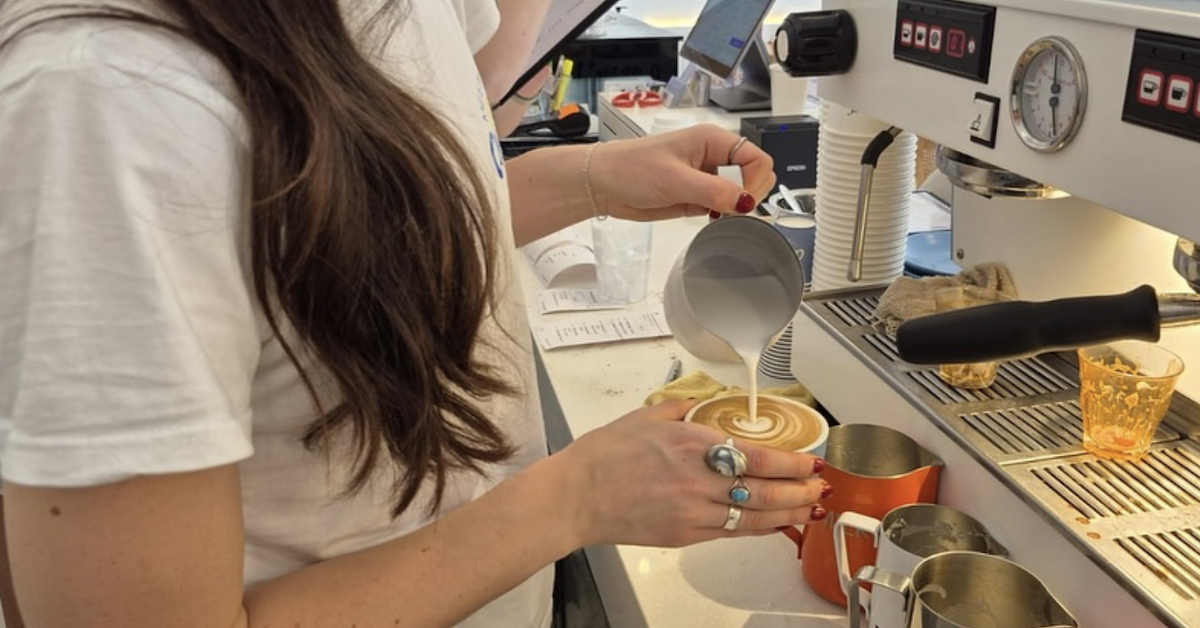
Clovelly’s local café scene could one day benefit from a coffee-making breakthrough developed just a few kilometres away at the University of New South Wales (UNSW).
Researchers at UNSW in nearby Kensington have developed a new way to make espresso-strength coffee using room-temperature water and ultrasonic sound waves instead of the high heat used in traditional espresso machines. Early tests suggest the method could cut brewing energy by as much as 75 per cent while still producing a full-flavoured cup.
Although the technology is still in the research stage, the discovery could have long-term benefits for cafés looking to reduce energy use without sacrificing quality.
A new way to brew espresso without heating water
Making espresso usually requires water heated to around 90 degrees Celsius before it is forced through finely ground coffee under high pressure.


The UNSW research team explored a different idea. Instead of relying on heat, they used high-frequency sound waves to help extract flavour compounds from coffee grounds while using room-temperature water.
The sound waves create tiny bubbles in the water. As those bubbles rapidly form and collapse, they release small bursts of energy that speed up the extraction process. The researchers found this method produced espresso-strength coffee in about three minutes.
The study also found that the process used significantly less energy than conventional espresso brewing because it removed the need to heat water.
A nearby innovation that could interest Clovelly’s cafés
Coffee is a visible part of daily life in Clovelly. Several cafés and eateries operate along Clovelly Road and near the beachfront, serving residents, beachgoers and walkers using the Bondi to Coogee coastal route.
Local venues, including Sea Salt Clovelly, reflect the suburb’s strong connection between coffee, food and beach life.

For cafés, energy use is a regular operating cost. Many businesses rely on espresso machines throughout trading hours to keep up with customer demand. Any future technology that reduces electricity use may attract interest across parts of the hospitality industry.
No local café has been linked to the UNSW project, and the technology is not yet being marketed as a standard café machine. However, the research highlights one possible direction for more energy-efficient coffee making in the years ahead.
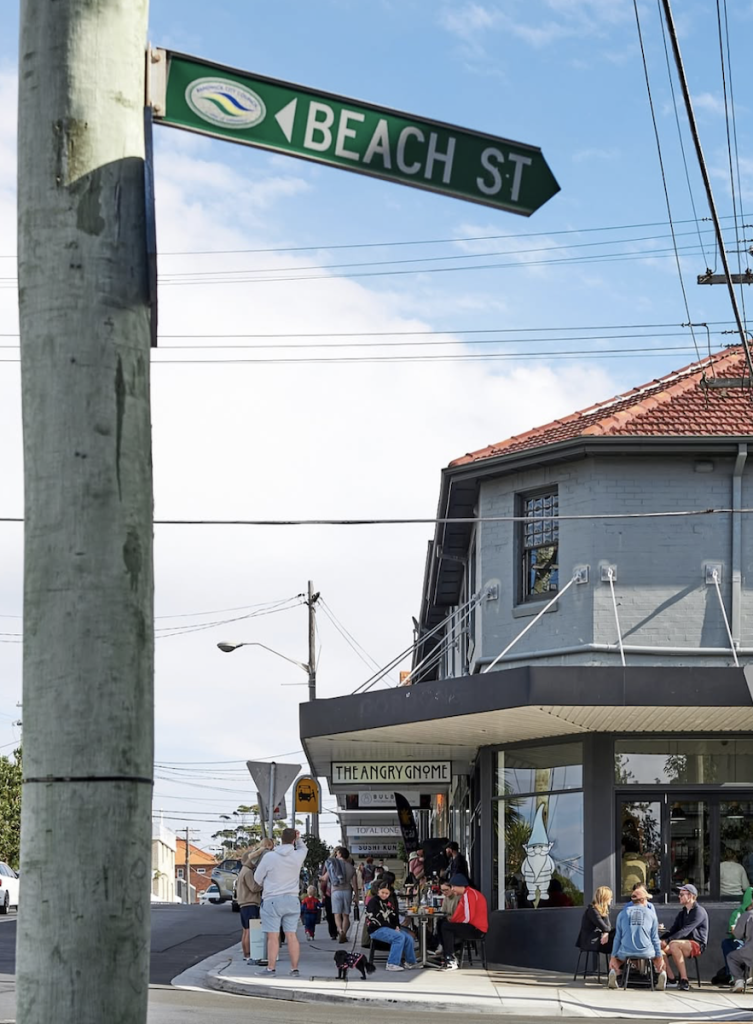
Researchers also wanted to protect the taste
Reducing energy use was only one part of the project. The researchers also wanted to find out whether coffee made with room-temperature water would still appeal to regular coffee drinkers.
According to the research team, blind taste testing showed participants found the ultrasonic coffee comparable to traditionally brewed espresso in several important qualities. The researchers also examined how the process extracted flavour, aroma, oils and caffeine from the coffee grounds.
Those findings suggest reducing heat does not necessarily mean sacrificing flavour, although the researchers said more work is needed before the technology reaches commercial use.
The research remains at an early stage, and customers are unlikely to see ultrasonic espresso machines appear in cafés anytime soon. More testing and product development will be needed before the technology can be used in commercial settings.
Published 7-July-2026