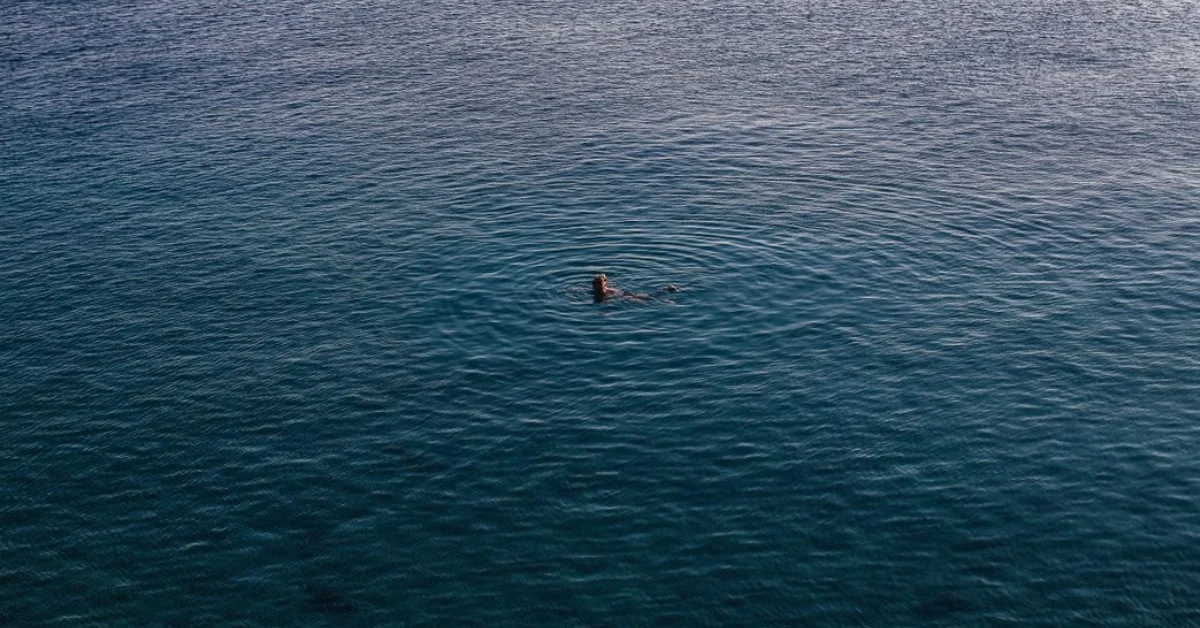
The Rescue off Schnapper Rocks remains one of the defining episodes in Clovelly lifesaving history, linking a fatal day on the rocks with the suburb’s long connection to swimming, rescue work and beach safety.
A Rescue Remembered At Schnapper Rocks
In December 1927, five lads were on the rocks at the northern headland of Clovelly Bay when heavy seas turned an afternoon by the water into one of the most recorded rescue efforts in the early history of the local surf club.
The boys, aged between 14 and 19, had been exploring the rocks while large seas broke against the headland. A powerful wave swept three of them — Thomas Woolridge, Evan Hughes and K. Stavert — into the surf.
They were carried away from the rocks by strong current and rough water. The Clovelly Surf Life Saving Club patrol raised the alarm, and members made their way from the clubhouse across the beach and rough rocks to reach the scene.


R. Slater entered the water wearing the belt, while D. Pike also went into the surf. Pike reached Hughes and helped him towards Clovelly Bay before he was picked up by a fishing boat from Thompson’s Bay.
Slater reached Woolridge and tried to keep him above water in heavy seas. When a large wave smashed the reel, Slater freed himself from the belt and continued trying to support Woolridge. The effort went on for more than 15 minutes, but Woolridge disappeared beneath the water and was not seen again.
W. Miller and C. Brooks reached Stavert and helped him around into the bay, a swim of about 300 yards through dangerous water. Several club members and others who assisted suffered cuts and abrasions during the rescue.
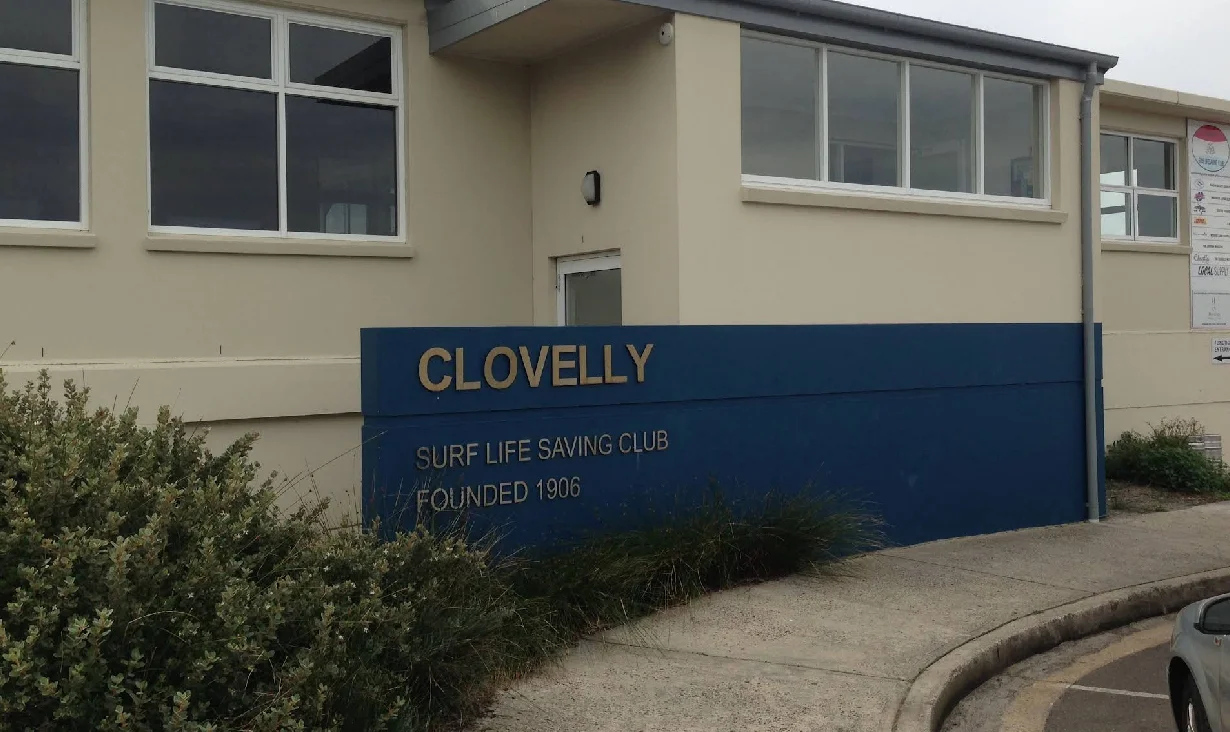
Thomas Woolridge And The Clovelly Rescue Effort
Thomas Woolridge was 19 and had arrived in Australia from England only weeks before he drowned.
The rescue became known as the Rescue off Schnapper Rocks and has remained closely connected with Clovelly Surf Life Saving Club’s early history. It involved volunteers crossing difficult terrain, entering rough water and working against strong seas to bring the boys back.
Slater’s attempt to save Woolridge became one of the central acts of the rescue. Others involved in the operation were also recognised for their efforts in reaching the youths and bringing Hughes and Stavert to safety.
The episode sits within a longer Clovelly story shaped by surf lifesaving, competitive swimming and the suburb’s close relationship with its bay.
From Little Coogee To Clovelly Surf Life Saving Club
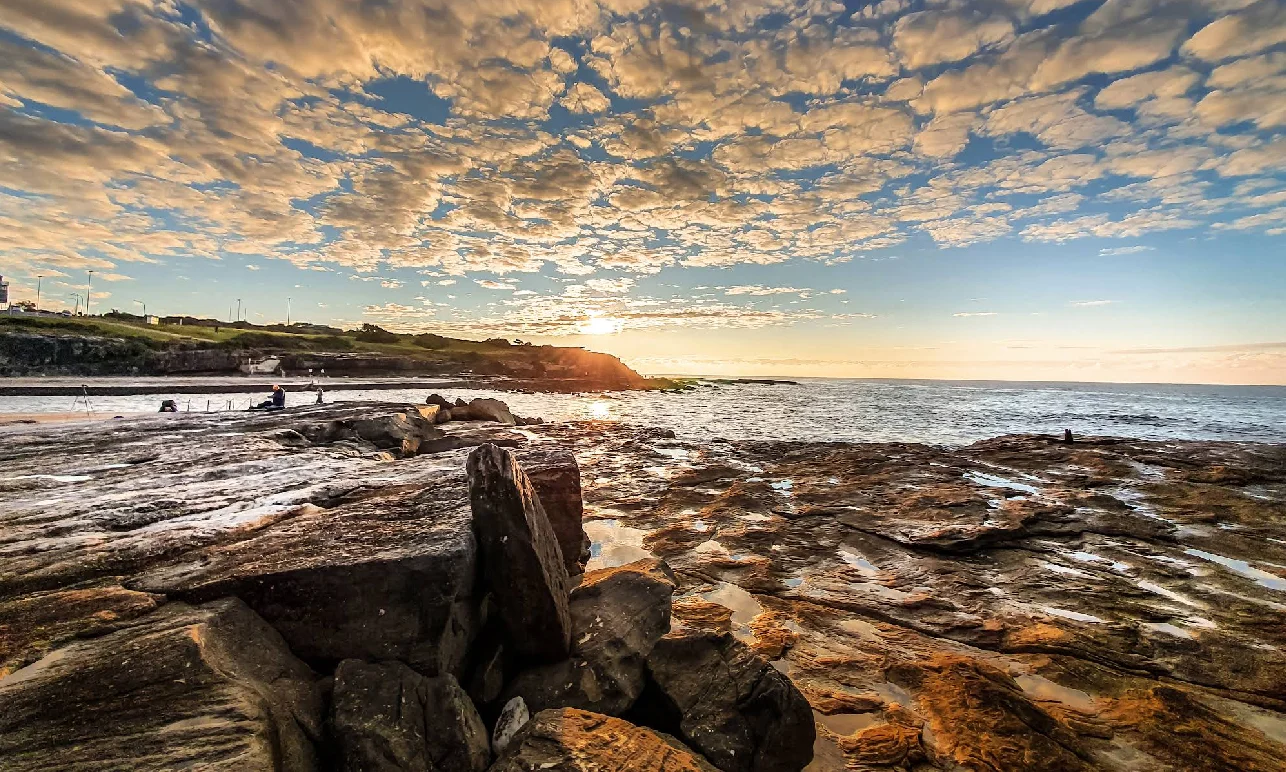
Clovelly Surf Life Saving Club was founded in 1906 as the Little Coogee Swimming and Life Saving Club. The name came from the area’s earlier identity, when Clovelly Bay was known as Little Coogee because of its proximity to Coogee and its sheltered waters.
The club developed a long record in lifesaving and competition. In 1908, two years after it began, it won the first official surfboat race held at Manly Beach in its whaleboat.
Its first clubhouse was a small wooden shed. The current clubhouse was built in 1922 as a tribute to members who lost their lives in the Great War between 1914 and 1918.
Today, the club’s role includes safety for swimmers and beachgoers at Clovelly, Gordon’s Bay and the coastal area towards Bronte. Its activities include lifesaving, Nippers, Eskimos winter swimming, Giles Gym classes and junior swimming.
Clovelly Beach And Its Swimming Culture
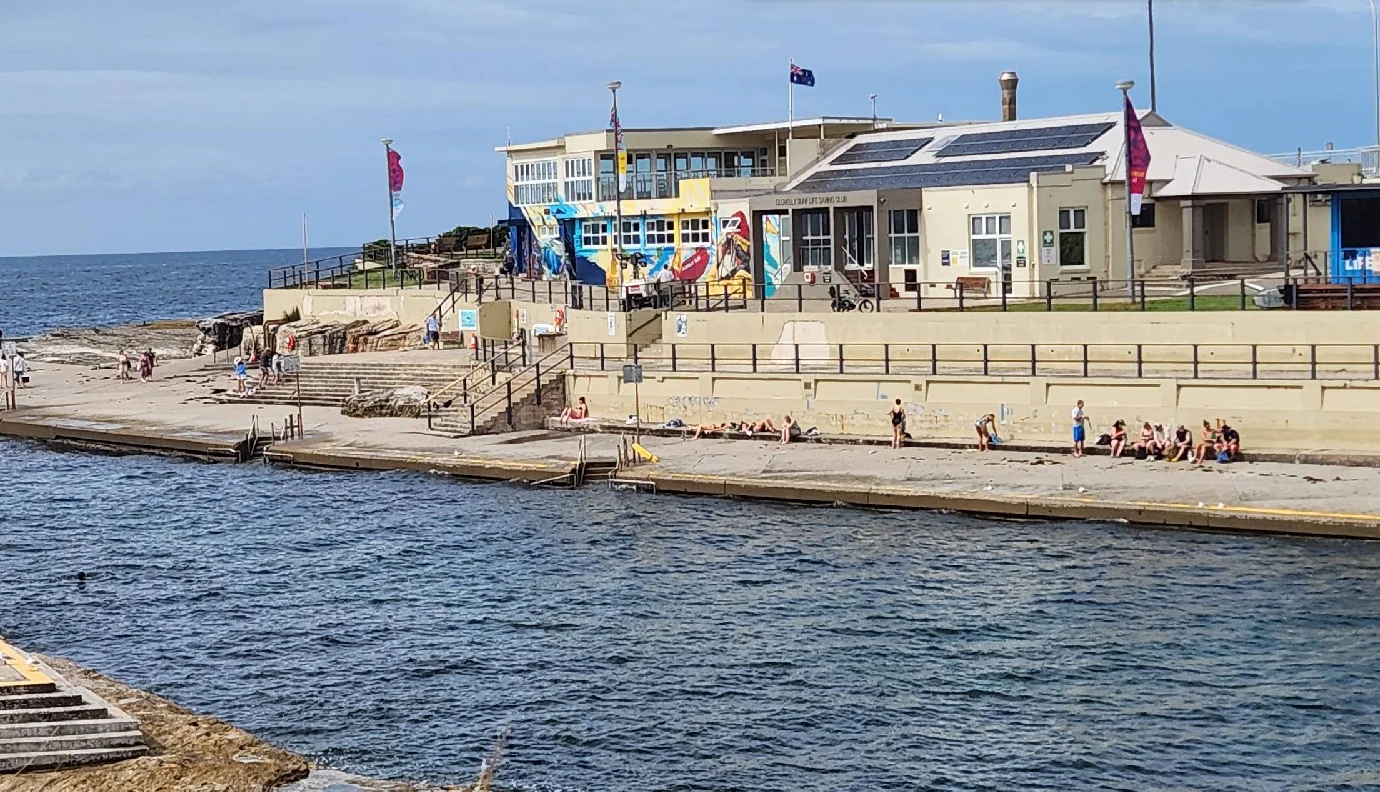
Clovelly sits in a steep Sydney sandstone cove and was once known as Little Coogee before the suburb took its current name. Its sheltered bay, narrow beach and rock platforms have helped make swimming and lifesaving part of local life.
During the Great Depression, foreshore works along Clovelly Cove provided jobs for local men and improved access to the water. The natural rock platforms were concreted, and a causeway project was started at the mouth of the bay.
A severe storm in 1938 destroyed the causeway, and the project was abandoned. Its remains can still be seen at low tide.
Those changes helped shape the bay that locals and swimmers know today. The Rescue off Schnapper Rocks remains part of that history, carried alongside the surf club’s continuing work and Clovelly’s long association with the water.
Published 23-June-2026