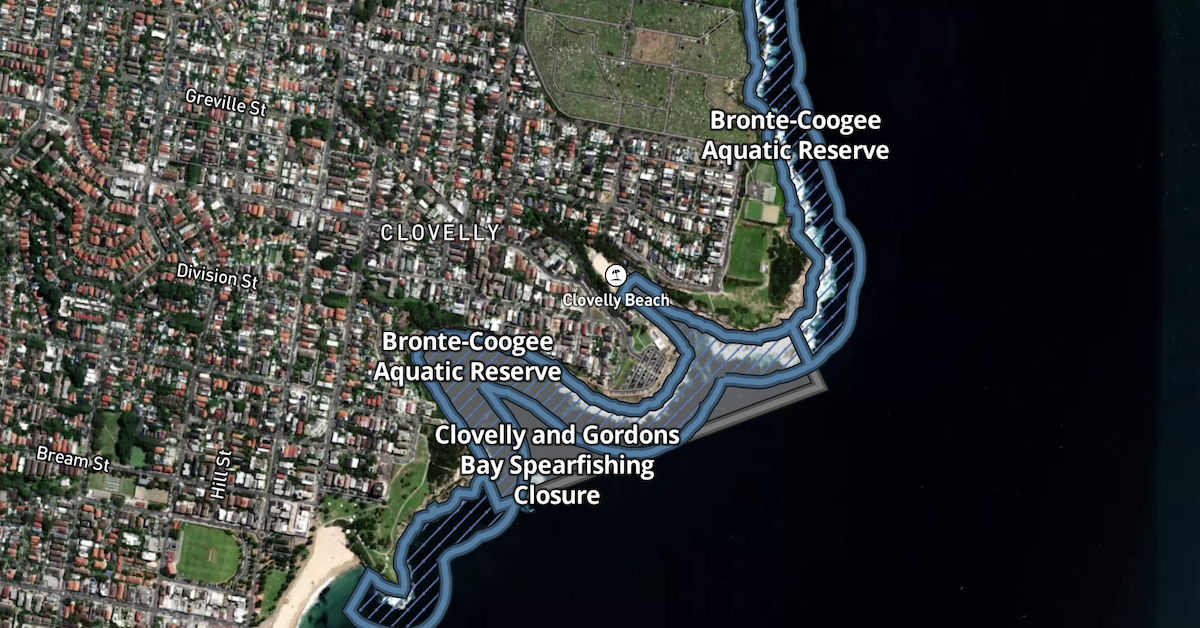
Stretching along Sydney’s eastern coastline from Bronte Beach through Clovelly and down to Coogee, the Bronte-Coogee Aquatic Reserve protects one of the most heavily used — and surprisingly diverse — marine environments in the city.
While thousands of swimmers, divers and walkers pass through the area every week, many locals still do not realise just how significant the reserve is beneath the surface.
It Covers More Than 4 Kilometres of Coastline
The Bronte-Coogee Aquatic Reserve extends from the southern end of Bronte Beach to the northern end of Coogee Beach and reaches 100 metres offshore.
The reserve covers about 43 hectares and includes roughly four kilometres of coastline, taking in some of Sydney’s best-known ocean spots including Gordons Bay and Clovelly Bay.


Clovelly’s Famous Blue Gropers Are Protected
The eastern blue groper has become something of a local celebrity around Clovelly and Gordons Bay, with snorkellers and divers regularly swimming alongside the large fish.
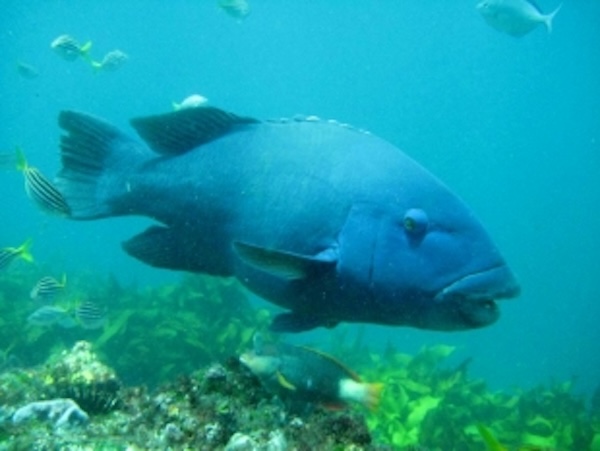
Because of their importance within the reserve, blue gropers receive additional protection and cannot be taken anywhere in NSW waters. Parts of the reserve also have stricter fishing and spearfishing restrictions aimed at protecting marine habitats and fish populations.
There’s an Underwater Nature Trail at Gordons Bay
One of the reserve’s lesser-known attractions is the 500-metre underwater nature trail at Gordons Bay.
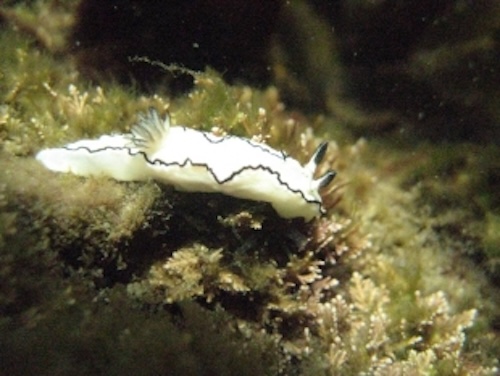
The self-guided dive and snorkel trail takes visitors across rocky reefs, kelp forests and sandy sections while showcasing the marine life living below the surface. Gordons Bay’s steep rocky drop-offs are known for attracting a wide variety of fish and invertebrates.
You Can’t Even Collect Empty Shells There
Many visitors do not realise the reserve has strict rules around collecting marine life and shells.
The collection of most marine invertebrates is prohibited, including crabs, sea stars, worms, octopus and sea urchins. Even empty shells are protected because they provide habitat for living organisms.
Only limited species, including certain rock lobsters and sea lettuce, can legally be collected within the reserve under NSW fishing regulations.
The Reserve Has Been Protected for Decades
Before becoming an aquatic reserve in 2002, the area operated as an Intertidal Protected Area during the 1990s.
Today, the reserve is jointly managed through arrangements involving the NSW Department of Primary Industries and Randwick Council, with environmental protections also affecting nearby coastal development. Properties and developments within 100 metres of the reserve are subject to additional environmental oversight.
For many eastern suburbs locals, the reserve may simply feel like part of the coastline — but beneath the surface it remains one of Sydney’s most important urban marine environments.
Published 30-March-2026