Fishnets Gives Clovelly Locals a New Reason to Dine Close to Home

Sydney’s Eastern Beaches have no shortage of good places to eat, but every so often a restaurant arrives that feels like it belongs in the neighbourhood from day one. Fishnets, the latest addition to Bronte’s growing food scene, aims to do exactly that by pairing refined Japanese cooking with the relaxed pace of beachside dining.


A short trip from Clovelly, the new restaurant offers an alternative to heading into the CBD for premium Japanese cuisine. Instead, diners can settle into a welcoming space where seasonal seafood, carefully prepared sushi, and share-style dishes encourage a slower meal with family or friends.

A Familiar Name Behind Bronte’s Newest Dining Spot

Fishnets is the second venue from hospitality operator Alex Cameron and his Overwhelming Hospitality group, following Table Manners, Cameron’s earlier Bronte venue. Rather than repeating the same concept, Cameron has taken the restaurant in a different direction by focusing on Japanese flavours while keeping the atmosphere approachable and neighbourhood-focused.

Leading the kitchen is Sanghyeop Kim, formerly the head omakase chef at Sydney’s well-known Sokyo. The restaurant’s culinary team has developed a menu that reflects Japanese precision while making the experience feel comfortable enough for a casual weeknight dinner or a long weekend lunch.

Rather than presenting a traditional omakase experience, Fishnets positions itself as a neighbourhood restaurant where guests can enjoy high-quality Japanese-inspired dishes in a relaxed setting.

Seasonal Seafood Shapes the Menu

The menu celebrates Australian seafood through a Japanese lens. Nigiri takes centre stage, with selections that reflect seasonal produce and quality seafood sourced for the restaurant. Early coverage has highlighted premium seafood alongside carefully prepared sushi that draws on traditional Japanese techniques.
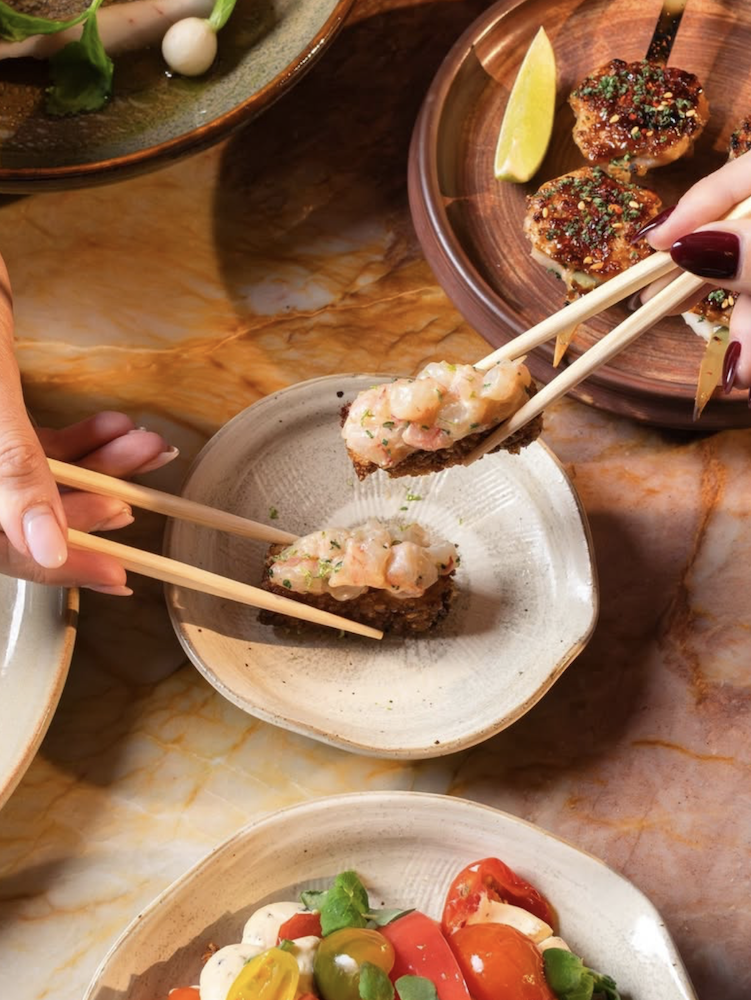
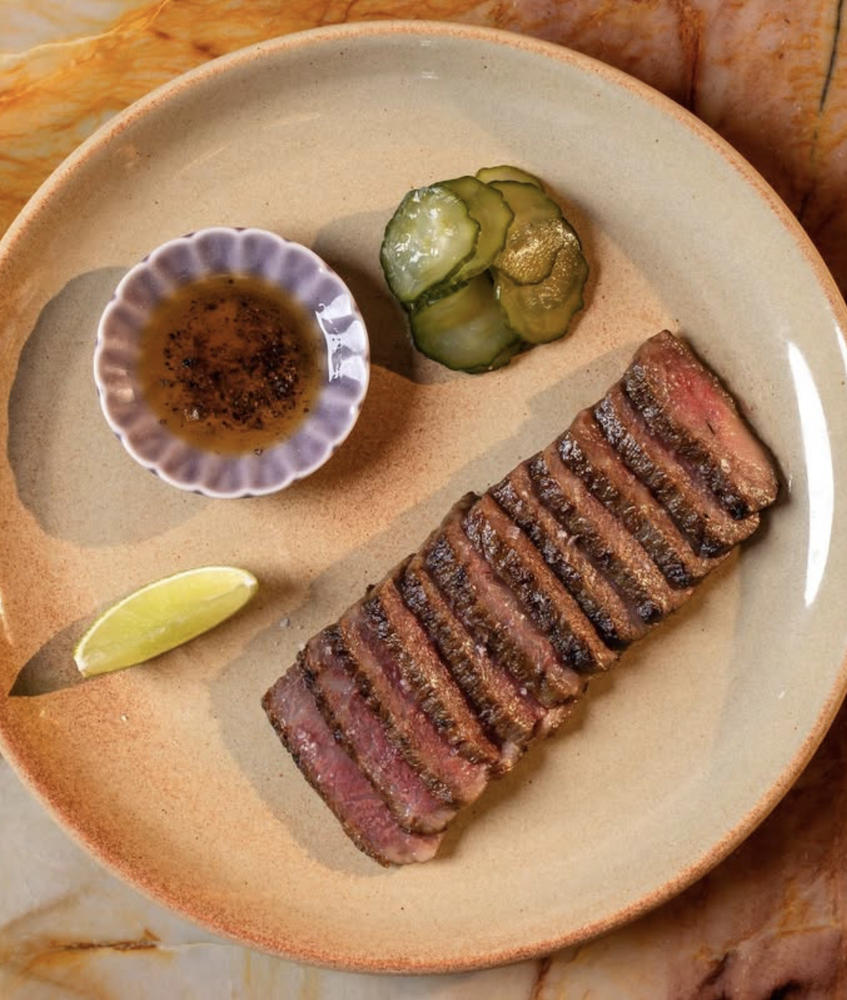
Beyond the sushi offering, the menu features larger dishes designed for sharing. Highlights include tuna katsu, seafood-focused mains, and Australian and Japanese Wagyu, giving diners a mix of lighter and more substantial options.
Dessert continues the Japanese influence with flavours such as matcha and hojicha, while Sydney gelateria Mapo supplies sorbets that round out the menu.

Although the cooking draws inspiration from Japan, Australian ingredients remain central to the restaurant’s approach. The result is a menu that reflects a style of dining becoming increasingly popular across Sydney, where local produce meets international cooking techniques.

A Space Designed for Long Lunches and Relaxed Evenings

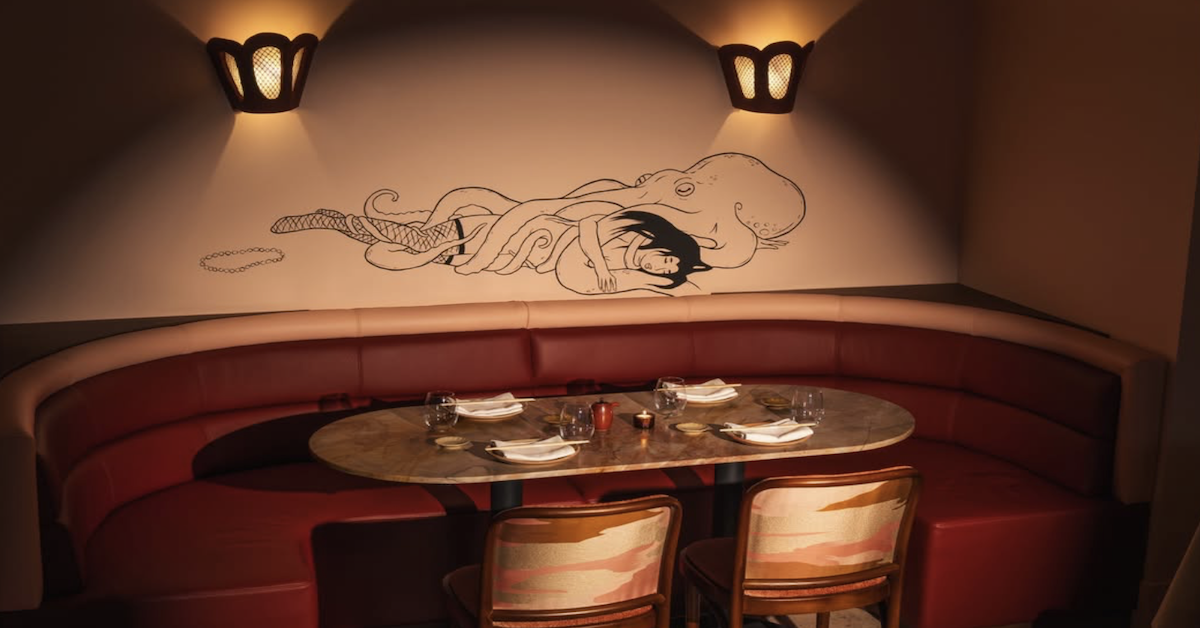
The restaurant’s interior has been designed by Blainey North, who has created a dining room with leather banquettes, warm lighting and a dedicated cocktail bar. The space feels equally suited to an evening meal with friends or a special dinner close to home.

The drinks menu follows the same thoughtful approach. Diners can choose from Japanese-inspired cocktails, sake, Australian wines, Japanese whisky and a selection of local and imported beers.

Fishnets welcomes guests for dinner Wednesday to Friday, then offers lunch and dinner service across the weekend. This makes it an easy addition to a day spent exploring Bronte, Clovelly or the surrounding coastline.

Another Stop on Bronte’s Evolving Dining Scene

For Clovelly locals, one of the biggest attractions is simply the location. Instead of planning an evening in the city, residents now have another destination only minutes away that brings together quality food, welcoming hospitality and a coastal setting.


Whether you’re meeting friends after a coastal walk, planning a date night or looking for somewhere new to celebrate a special occasion, the restaurant offers another reason to stay close to home and enjoy what the eastern suburbs have to offer.

Published 1 July 2026
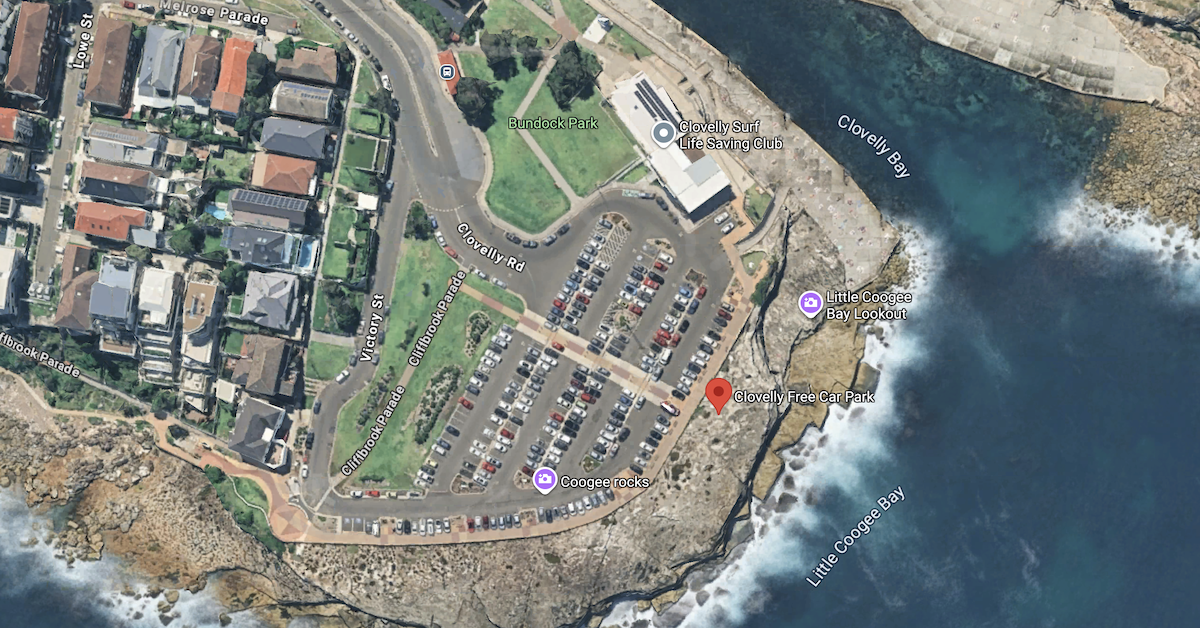
Clovelly Keeps Free Beach Parking After New Parking Scheme Scrapped

Clovelly residents and visitors will continue to enjoy free beach parking after the proposed visitor parking scheme across several Randwick beach areas did not go ahead, ending months of debate over beach access and parking.


The decision followed a strong community response to the proposal, which drew more than 12,000 pieces of feedback from residents, business owners and community groups across the Randwick local government area. Clovelly was among the beachside suburbs that would have been affected by the changes.

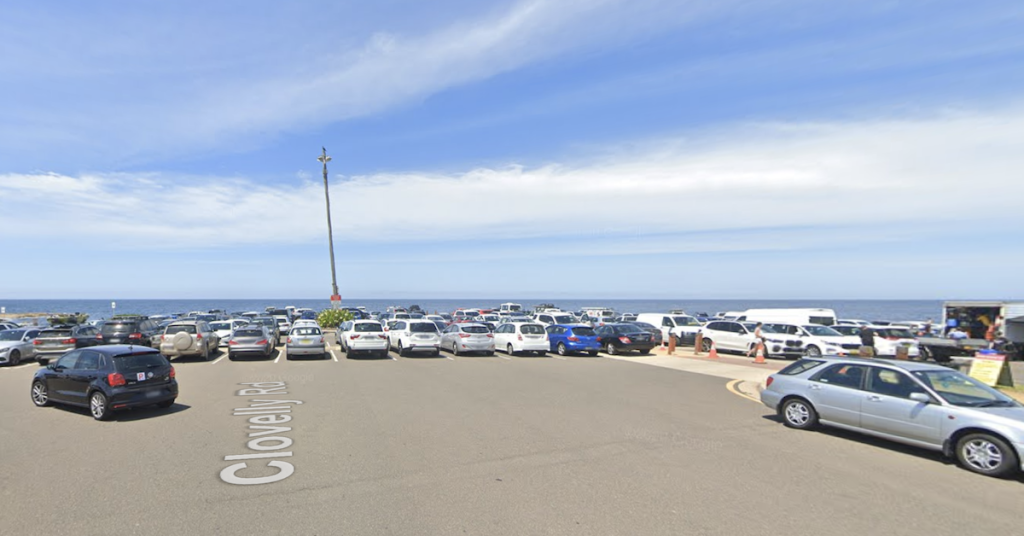
Had the plan gone ahead, Clovelly would have been one of the beaches most affected. Council had proposed introducing parking meters in 250 spaces, making it the third-largest paid parking area under the revised scheme after Maroubra and La Perouse.

Clovelly Was Set to See One of the Biggest Changes

The revised proposal would have introduced paid parking in council-managed beach parking areas at Clovelly. Visitors would have paid $5.70 an hour during summer and $4.70 an hour during winter, with charges applying daily from 8:00 a.m. to 6:00 p.m. Parking would have been limited to four hours to encourage turnover during busy periods.

However, the revised proposal looked very different from the original plan announced earlier this year. After reviewing community feedback, council officers reduced the number of proposed metered spaces across the six beaches from 3,300 to about 1,400.

The revised scheme also removed many proposed meters from residential streets and business areas near beaches. It retained several free parking areas, reducing the overall footprint of the proposal compared with the original plan.

Residents Raised Concerns About Access to a Public Beach

The proposal prompted debate across Randwick’s coastal suburbs. Community feedback raised concerns about affordability, access to public beaches and the possible effect on local businesses.

Some opponents also argued that paid parking could gradually expand beyond beach car parks into surrounding neighbourhoods in future years if similar measures were introduced later.

The revised proposal responded to several of those concerns. It included exemptions for surf clubs and junior Nippers programs. Council also changed its recommendation on residential permits. Instead of allowing one permit per household, the revised plan would have allowed eligible households to obtain permits for each registered vehicle.

Community Feedback Reshaped the Proposal

The revised scheme reflected several months of public consultation. Council officers adjusted the proposal after receiving thousands of submissions, survey responses and petitions from across the municipality.

Besides reducing the number of proposed paid parking spaces, the revised plan also removed Yarra Bay from the scheme. It also excluded most beachside shopping strips after business owners raised concerns about the possible impact on customer access.

The changes significantly reduced the revenue expected from the proposal. The original scheme was forecast to generate about $9 million a year through parking fees and compliance. Under the revised version, that estimate fell to between $3 million and $3.6 million annually.

Photo Credit: Google Maps screengrab

Council Sought a New Way to Fund Beach Services

Throughout the consultation, Randwick Mayor Dylan Parker said the proposal aimed to balance the interests of local ratepayers and visitors.

Council said it spends about $23.5 million each year maintaining beaches, supporting surf lifesaving services, cleaning public areas and maintaining coastal infrastructure. It also said a large share of beach visitors come from outside the Randwick local government area and argued that visitor contributions would help reduce the financial burden on local ratepayers.

Opponents, however, maintained that access to Sydney’s public beaches should remain free and that paid parking was not the best way to address council’s funding challenge.

Parking Meters Are Off the Table—for Now

Despite the changes made after consultation, councillors voted 10–5 on 30 June to reject the visitor paid parking proposal.

The decision means the planned trial at Little Bay will not proceed, and parking meters will not be introduced at Clovelly under the current proposal.

For now, residents and visitors will continue using the existing parking arrangements around Clovelly Beach.


Even so, the broader issues remain. Council still faces the ongoing cost of maintaining its beaches while managing parking demand during peak periods. Following the vote, councillors indicated they would consider other ways to improve parking turnover and identify alternative sources of revenue to help fund beach services in the future.

Published 3-July-2026