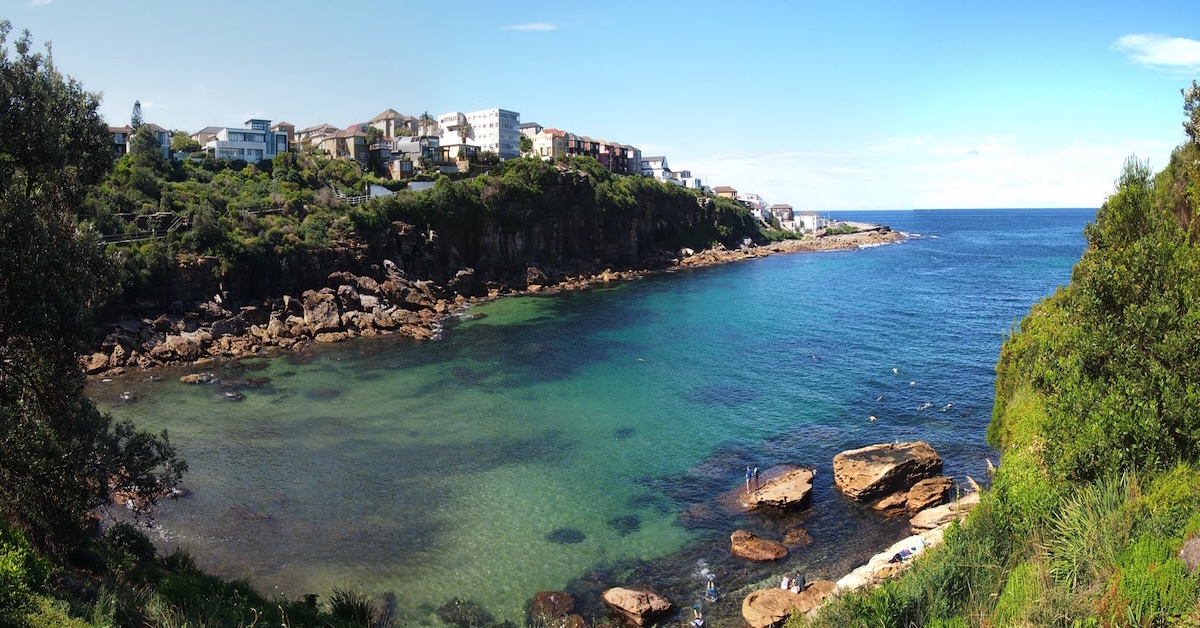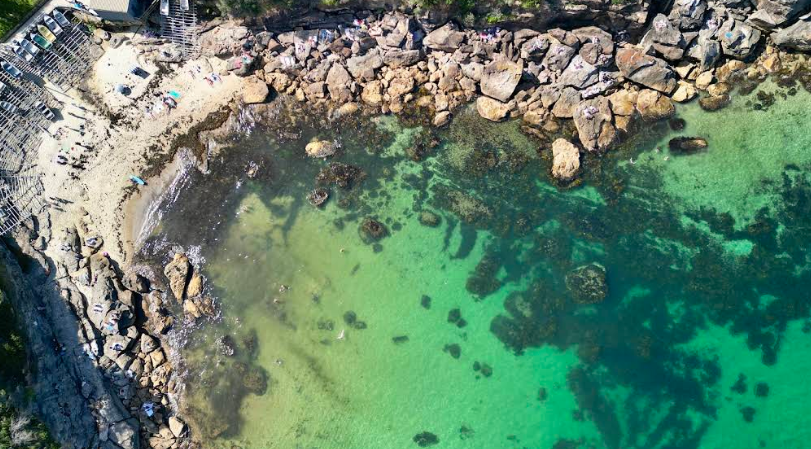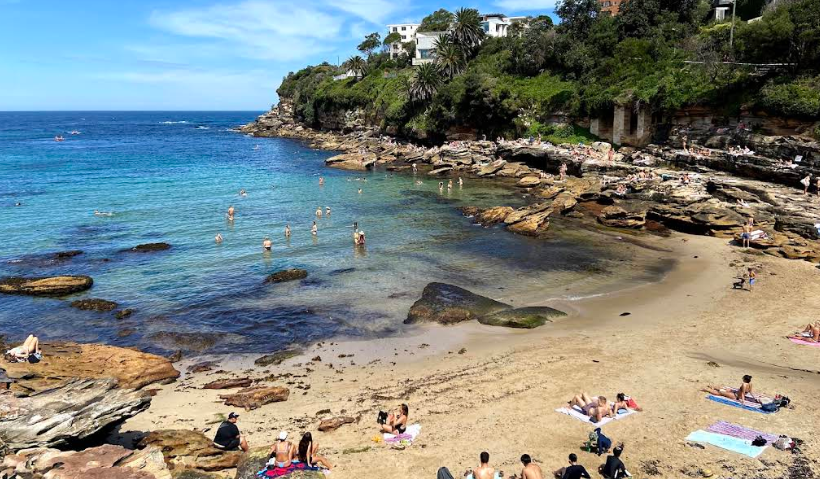
Beneath the water of Gordons Bay lies something most visitors will never see from shore: an underwater nature trail winding through reef, sand and kelp.
Randwick City Council describes the trail as running for about 600 metres, with concrete-filled drums positioned roughly 20 metres apart and connected by chain.
Steel plaques along the route provide information about local marine life, creating what Council compares to a bushwalking track — except this one is underwater.
A complete scuba dive takes about 40 minutes. When conditions are clear enough, snorkellers can also follow the route from the surface.
An Idea Dating Back to 1985
The trail’s origins stretch back more than 40 years.
According to archives maintained by the Gordons Bay Scuba Diving Club, Rick Poole and Dennis Hunt submitted a proposal to NSW Premier Neville Wran in June 1985 to establish an underwater nature trail in Thompsons Bay, as Gordons Bay was also known.
Contemporary reports promoted the proposal as a plan for Australia’s first underwater nature trail.
Getting it built took years.
The proposal moved through government processes before trial dives were undertaken in 1987. Work on the physical trail began in earnest in 1990.
Building a Walking Track Underwater
Creating the trail meant getting heavy concrete anchors from the shore into the bay and positioning them underwater.
Club records show that 25 drums filled with concrete and fitted with stainless-steel bolts were placed at the entrance to Gordons Bay in February 1990.
The uneven terrain made moving them difficult, but a sea access ramp being constructed with involvement from the NSW Department of Sport and Recreation and Randwick City Council helped make it possible to roll the drums into the water.
It became a community effort.
Students from Marist Brothers Pagewood helped move drums into the sea, while Cranbrook School students later assisted with positioning them. St George Mini Mix and Pioneer Concrete supplied surplus concrete for the anchors.
Divers then had to place and connect the trail beneath the surface.
On 12 November 1990, the final drum was connected.
The diving club’s records put the effort required to complete the trail at 30 dives and 56.5 hours underwater.
What Divers Can Find Along the Trail
The route passes through several marine environments, including rocky reefs, sand flats and kelp forests.
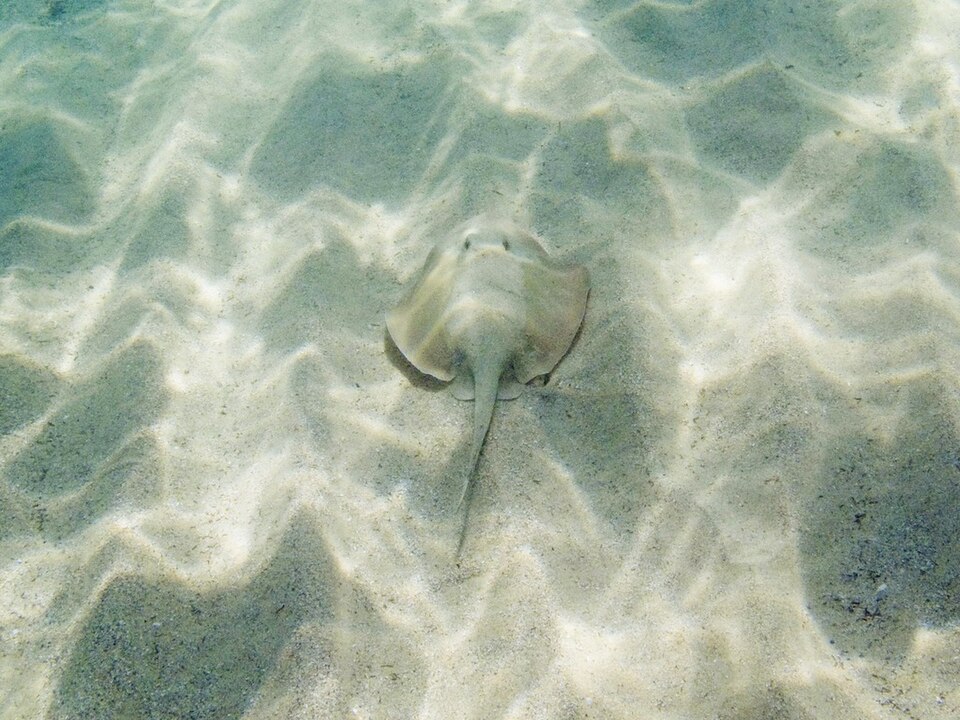
The Gordons Bay Scuba Diving Club lists blue gropers, weedfish, seadragons, wobbegongs and Port Jackson sharks among the animals seen in the bay at different times of the year.
Giant cuttlefish, sea slugs, anemones, sea stars and sea urchins are among the many invertebrates also found there.
More Than 35 Years Underwater
The trail has now been beneath Gordons Bay for more than 35 years.
The Gordons Bay Scuba Diving Club, established in 1990, continues to identify care and maintenance of the underwater nature trail as its main activity.
There is one discrepancy in descriptions of its length. The diving club describes the route as 500 metres, while Randwick City Council currently puts it at 600 metres.
What is not in dispute is that the unusual trail remains part of Gordons Bay.
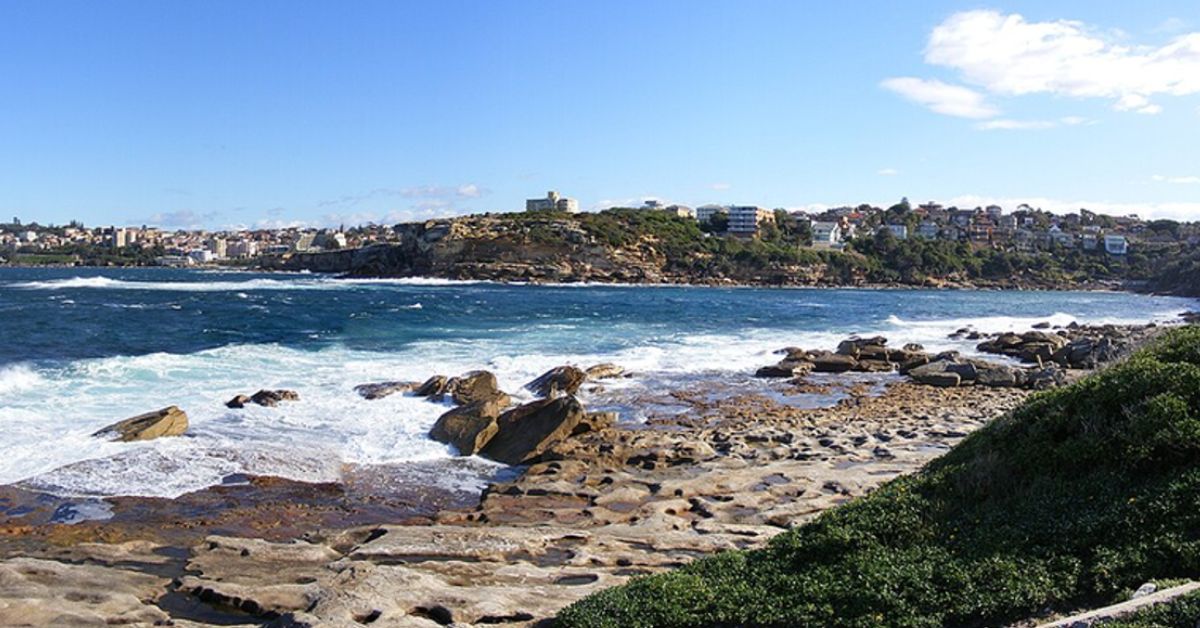
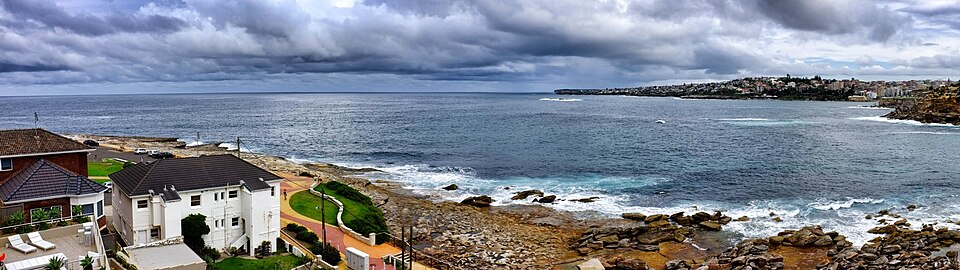
Above the surface, people walking between Coogee and Clovelly can pass the secluded bay without any obvious sign of what lies below.
Underneath them is a nature trail conceived in the 1980s, physically built with the help of divers, students and volunteers, and still guiding people through the marine environment of Gordons Bay more than 35 years later.
Published 16-August-2026