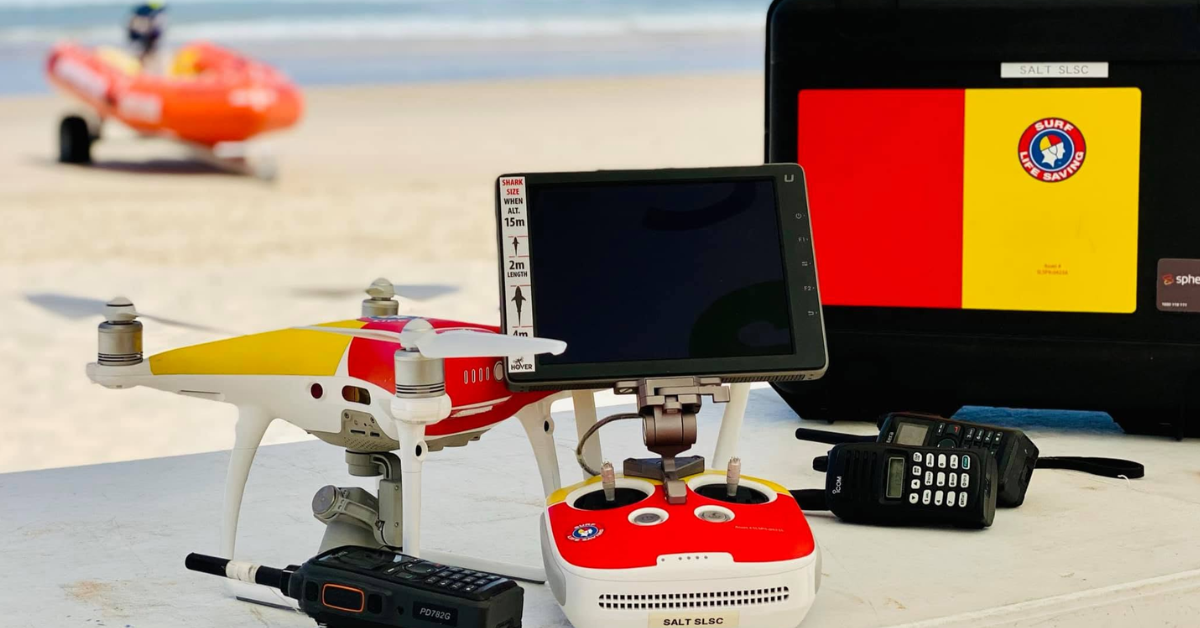
Drone operators scanning the coastal waters near Clovelly are providing early morning beachgoers with reassurance by keeping a watchful eye out for marine hazards from above.
Taking Flight Along the Coastline
For young drone pilots like Taha Kafil-Hussain, mornings start early with the setup of equipment and checking wind directions. Operating under special permissions due to nearby airport flight paths, surveillance teams methodically sweep the bay in a chequerboard pattern. These routine checks help locals quickly gauge water visibility and conditions before stepping onto the sand.
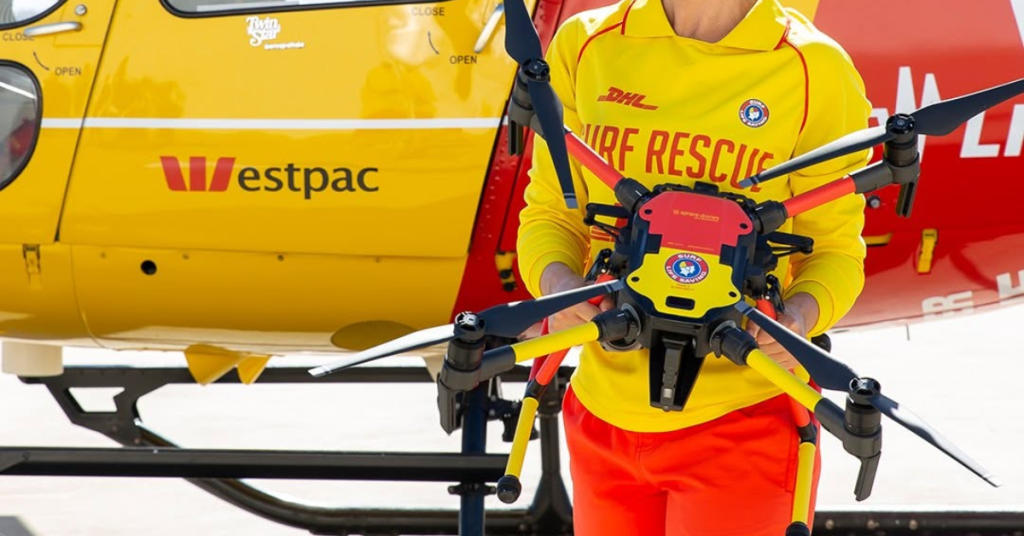
The aerial patrols are part of a broader state initiative funded by a multi-million-dollar investment package. Following high-profile coastal incidents, authorities rolled out dawn-to-dusk drone monitoring across dozens of ocean beaches to boost public confidence. Surf Life Saving New South Wales manages the fleet, completing thousands of flights and logging hundreds of sightings since the program expanded.
Balancing Technology and Reality
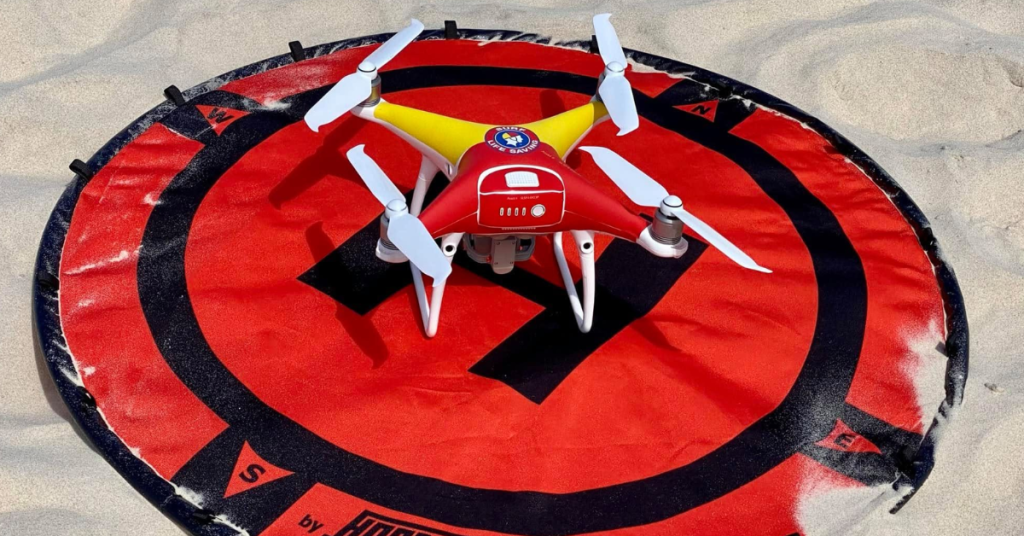
While marine experts widely regard aerial drones as some of the best modern tools for spotting marine life, they also emphasize the need for realistic expectations.


Weather factors such as high winds or surface chop can occasionally obscure visibility, and increased monitoring naturally leads to more frequent discussions about sharks near popular swimming spots. Researchers remind communities to treat the ocean environment with the same respect as a wild bushland.
At the same time, discussions continue regarding broader management strategies. Policymakers and marine ecologists point out that protected species like white sharks travel vast migratory routes across the ocean, making targeted culls ineffective. Instead, authorities are focusing on technological upgrades, including upcoming trials of artificial intelligence systems designed to assist with automated detection during the warmer months.
Published Date 09-August-2026